
In House
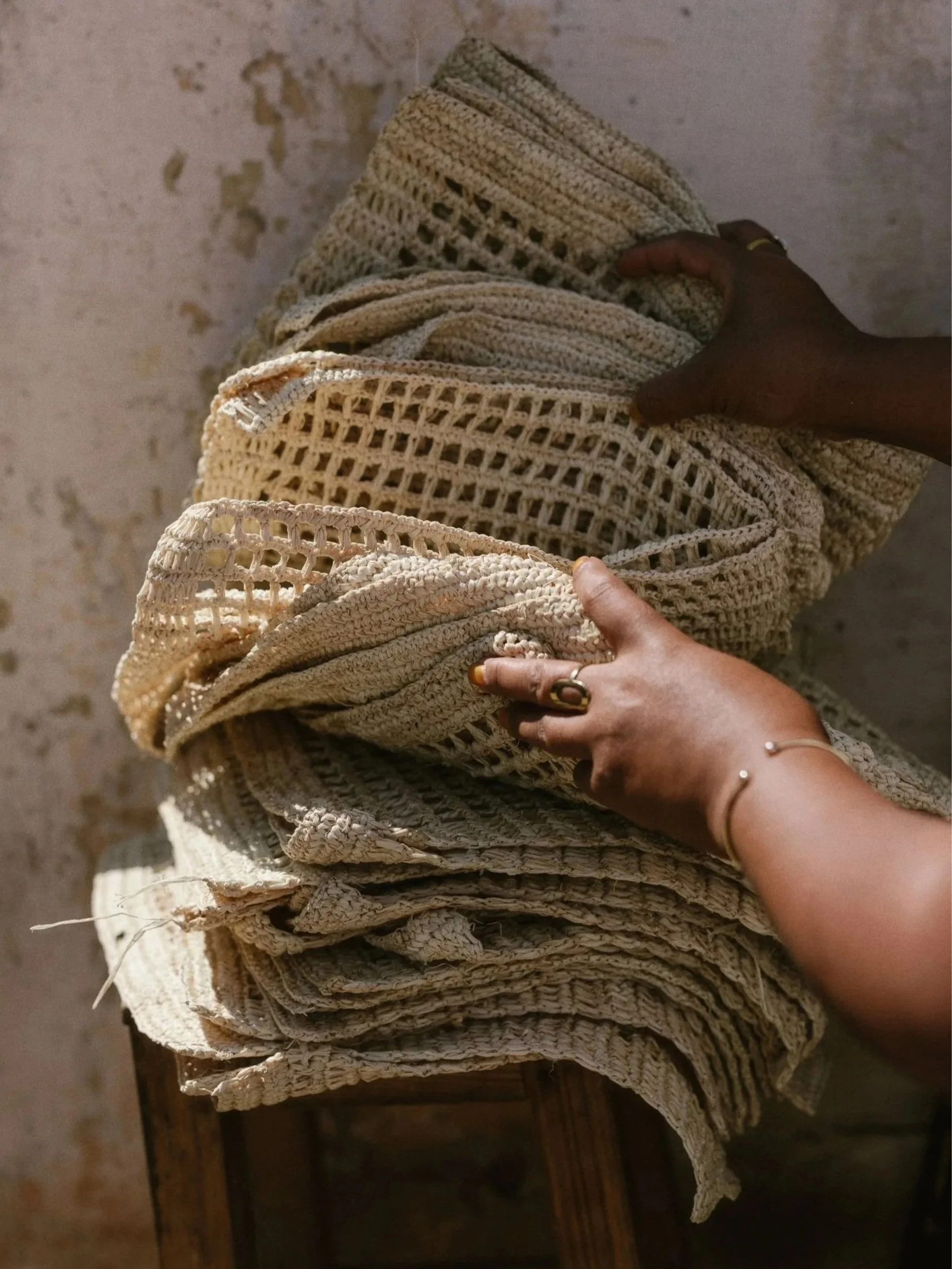
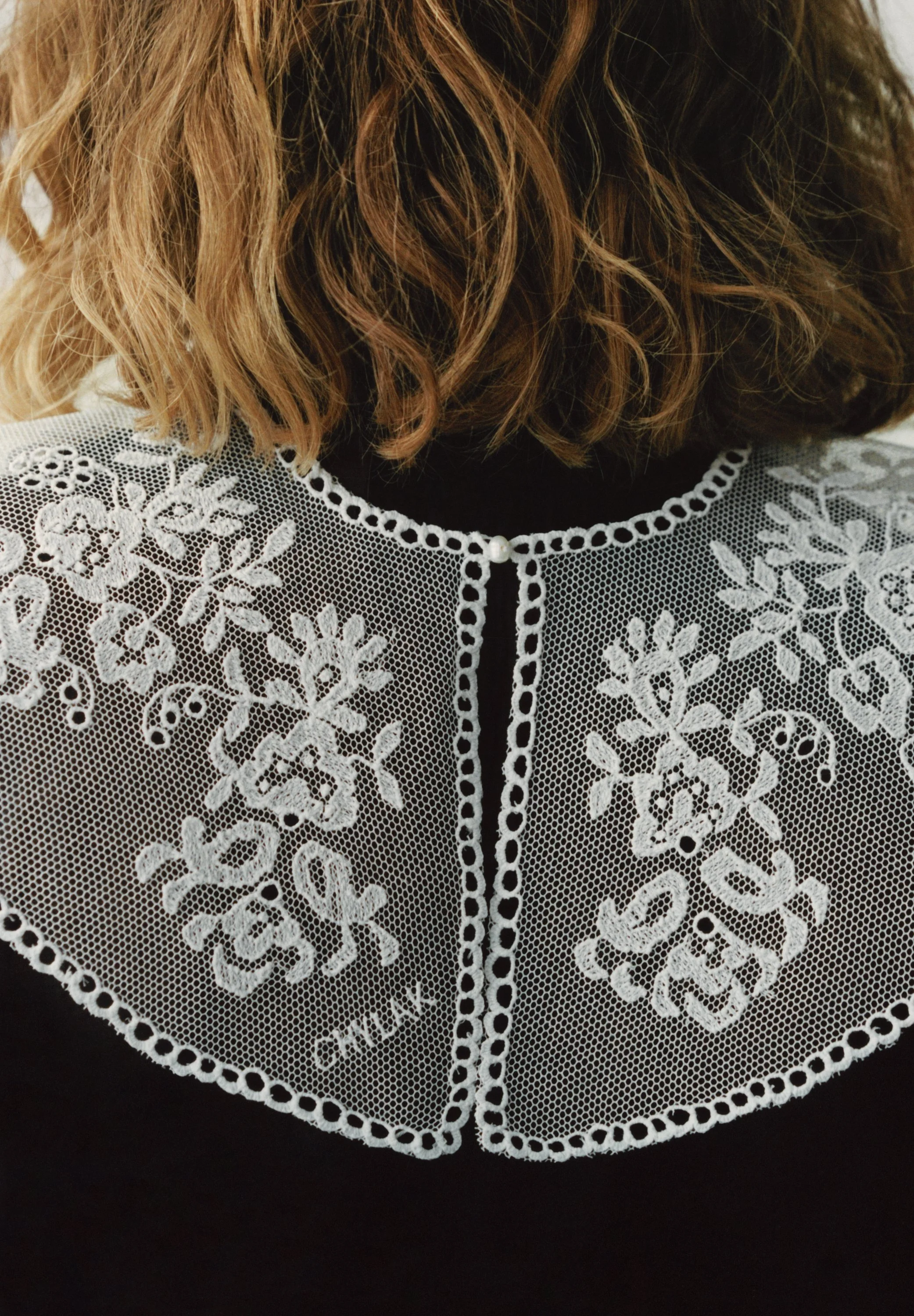
Rejecting the industry's pace of overconsumption, In House champions a made-to-order model that prioritizes natural fibers, expert craftsmanship, and the emotional longevity of clothing.
Rheanna Henney founded In House not to chase trends, but to fill a void she couldn't wait any longer to see filled. Bridging an analytical background in mathematics and sustainability with an intuitive design sense, Henney has built a studio where ethics are woven into the very DNA of every garment. In this conversation, Henney shares how she balances innovation with regenerative practices to create pieces that offer women not just style, but a sense of quiet confidence and ease.
Interview NICOLE GAVRILLES
Images courtesy of IN HOUSE
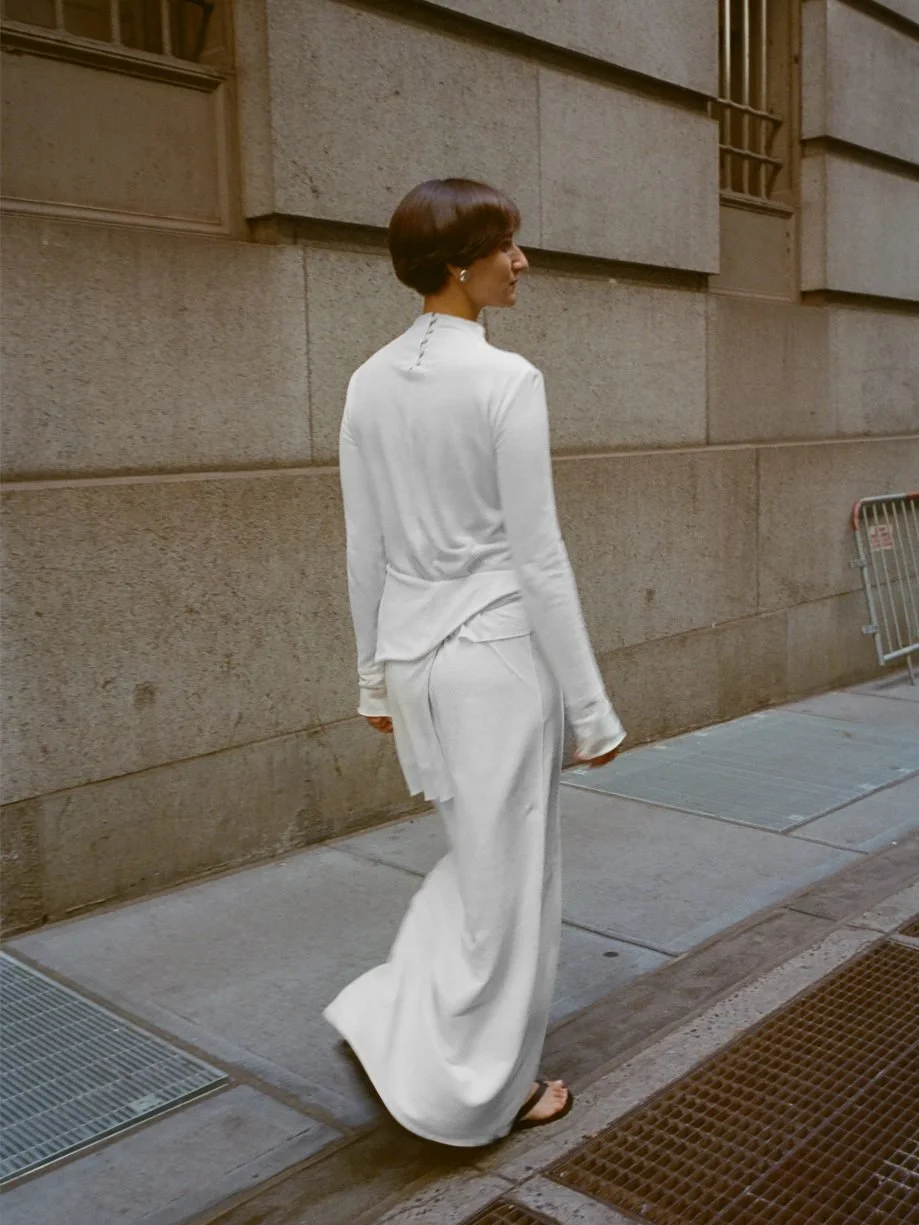
Could you walk us through the moment you realized it was time to transition from your previous path and establish In House as your own studio? What was the catalyst that made you decide to build a brand from the ground up?
When you work in the climate space, it can be incredibly disheartening to watch how solutions are implemented, and how many industries continue to move away from more basic sustainable practices. I honestly reached a point where I kept waiting for someone to start something like In House, and it simply wasn’t happening, so I decided to try it myself. I wanted women to have access to both exciting materials and a reliable source for pieces made from natural fibers.
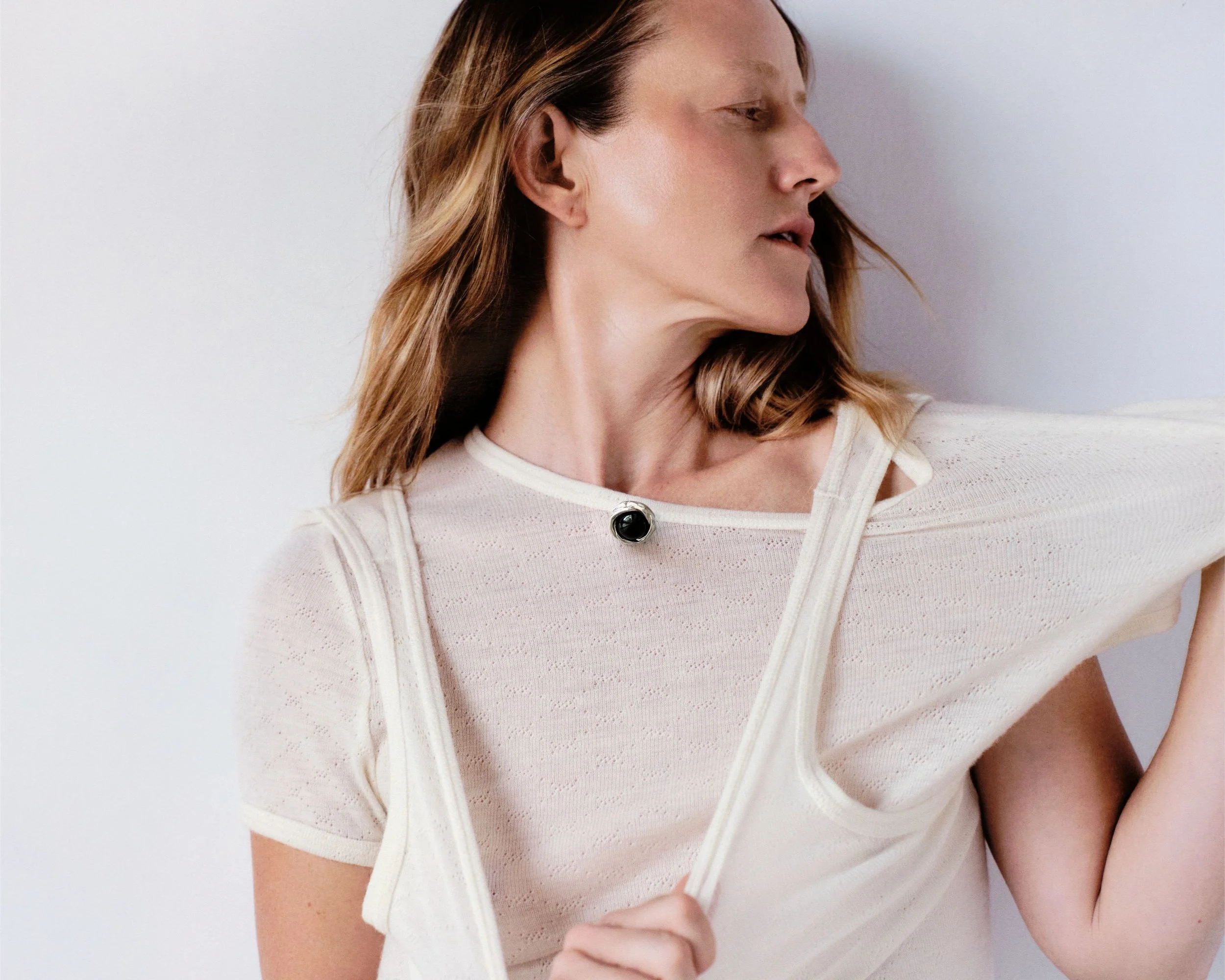
At the same time, we cannot innovate our way out of overconsumption alone. No material innovation or technological advancement can fully address the issue if we continue to consume clothing at the current pace. So much of this challenge lives in a more nuanced, emotional space — how women dress, what they reach for repeatedly, and how they feel in what they wear. In House is ultimately grounded in the belief that a well-fitting, well-made garment can become indelible to the wearer.
It also became clear to me that there are very strong tailwinds, both within fashion and outside of it, that make sustainability an increasingly difficult proposition for brands. Without broader structural or policy changes, it’s unrealistic to expect incumbents to materially shift course, particularly when they are beholden to certain margin expectations. Building In House felt like an opportunity to approach things differently fromthe ground up.
Your work feels deeply personal and rooted in a specific history. How has your own background and personal journey shaped the visual language and philosophy that you’ve come to define as In House?
Thank you. It is. I don’t think In House could exist in any form other than the one it exists in today. I don’t come from a traditional design background — my academic background is in mathematics and sustainability, and I later worked in venture capital with sustainable material and recycling companies. I can see all of those…
READ FULL INTERVIEW ON SUBSTACK
YOU MIGHT ALSO LIKE
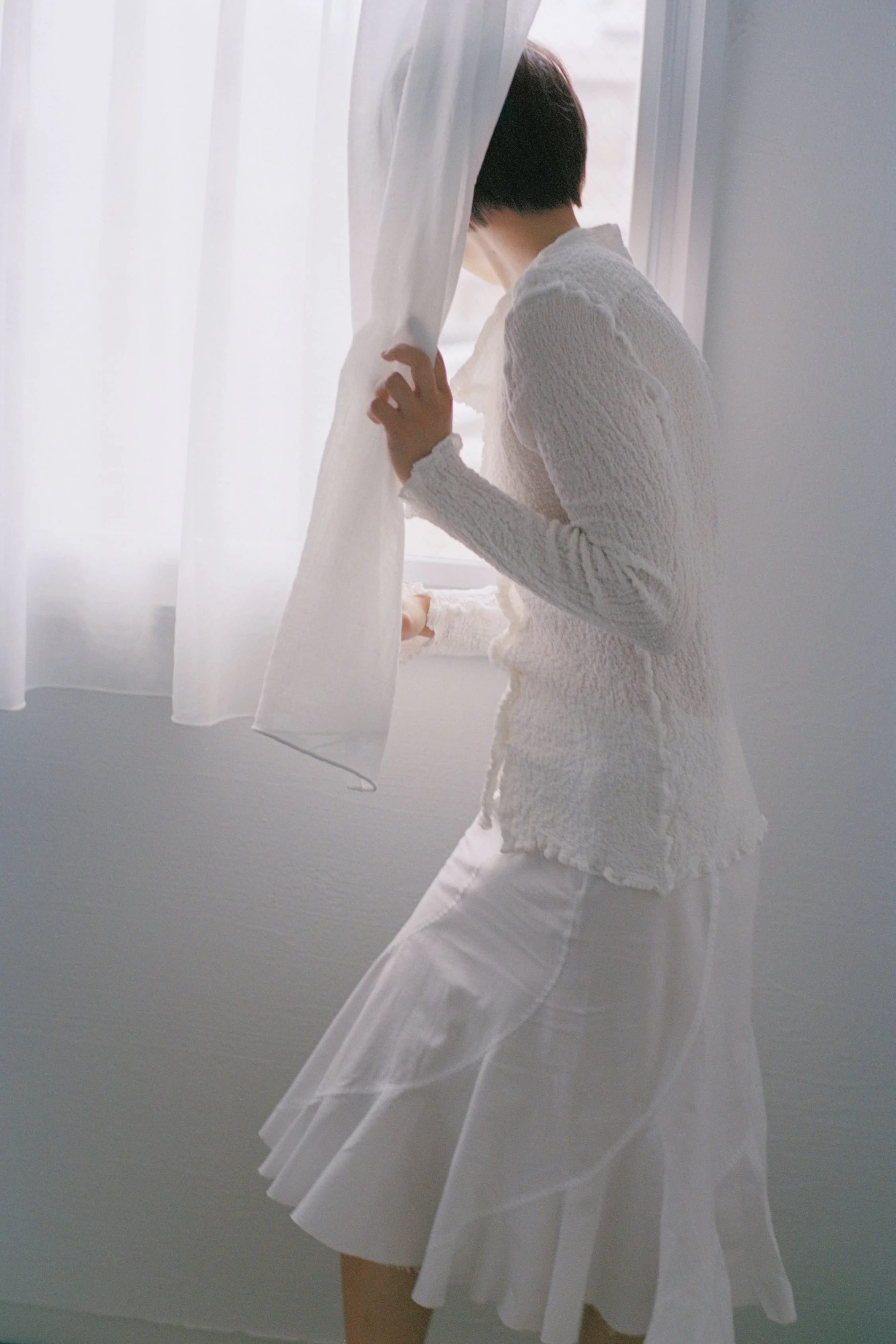
We spoke with Kindred Black founders Jennifer and Alice about redefining beauty as a collection of curiosities rich with history and symbolism. Their timeless approach transforms skincare vessels into collectible art and ingredients into meaningful narratives, alongside the recent launch of their first jewelry collection designed as personal talismans.