
Kinraden
Founder Sarah Emilie Müllertz has redefined luxury through a lens of radical responsibility with KINRADEN. From the patented, tarnish-resistant alloy Silnova to the rare, diamond-cut Mpingo blackwood harvested from a "mine above the ground" in Tanzania, every piece is a testament to the belief that beauty and ethics are not separate pursuits, but inseparable ones.
We explore how her architectural roots shape her moodboards, how she translates the rigid brick bonds of Copenhagen into fluid, wearable art, and why the story of the land beneath a stone is as vital to her as the stone itself, all while maintaining a commitment to creating heirlooms that endure beyond fleeting trends.
Interview NICOLE GAVRILLES
Images courtesy of KINRADEN
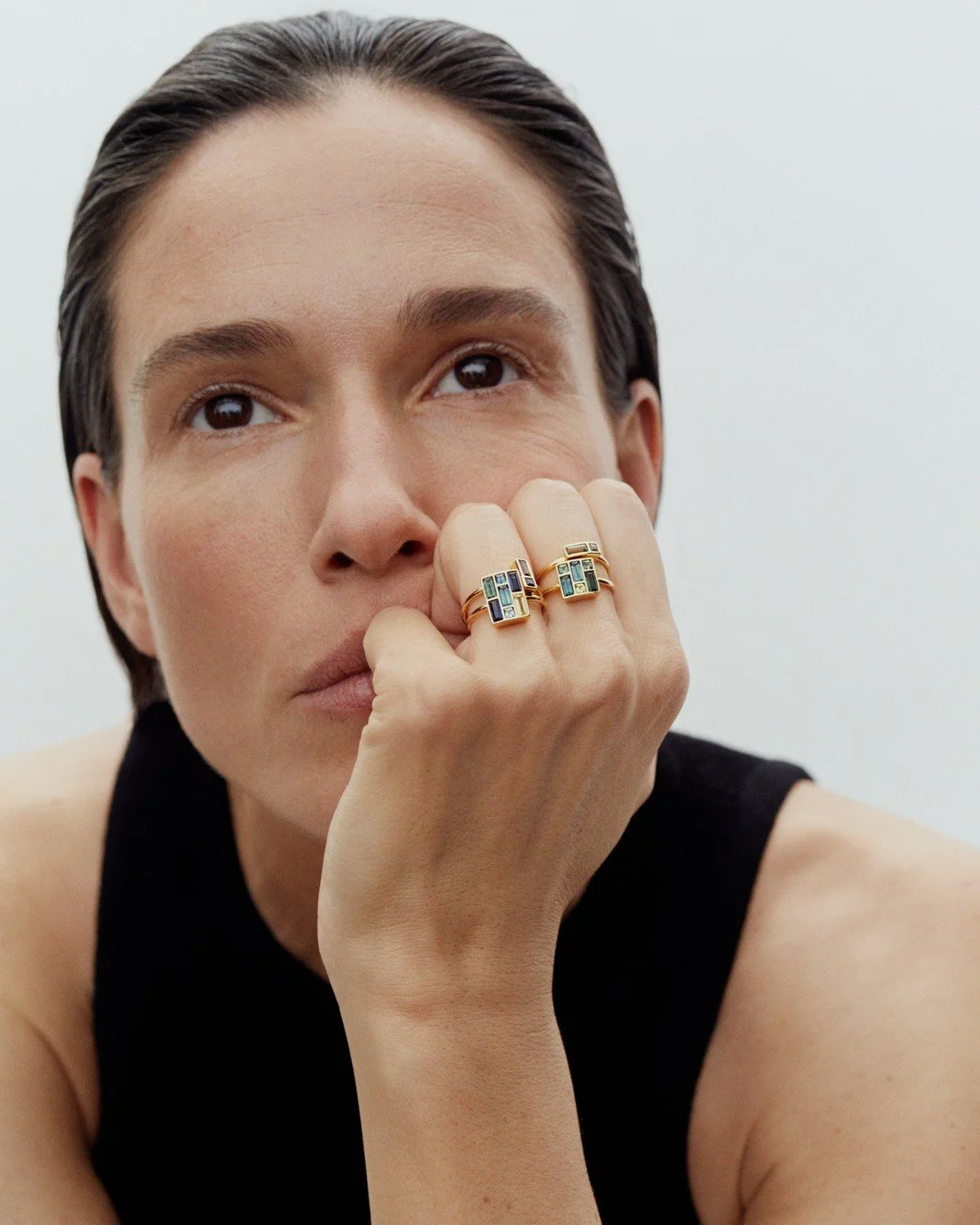
Your journey began in architecture, eventually leading you to Global Head of Design at Henning Larsen Architects before founding KINRADEN; could you take us back to the early days and describe what first drew you to the precision of architecture, and when did you realize that jewelry was the natural evolution of that architectural language?
I was drawn to architecture because it sits at the intersection of art, function, and human experience. What fascinated me most was the idea that a carefully considered detail could completely shape how a person feels in a space. Architecture taught me discipline - the importance of proportion, materiality, light, and the relationship between an object and its surroundings.
Over time, I became increasingly interested in scale. I found myself asking what happens when you take the same considerations we apply to a building and bring them down to something intimate enough to be worn on the body. Jewelry became a way to explore those questions. It offered the possibility of creating architecture on a human scale - pieces that carry the same emotional and spatial qualities as a building, but that become part of someone’s personal story. Looking back, it feels less like a career change and more like a continuation of the same design language.
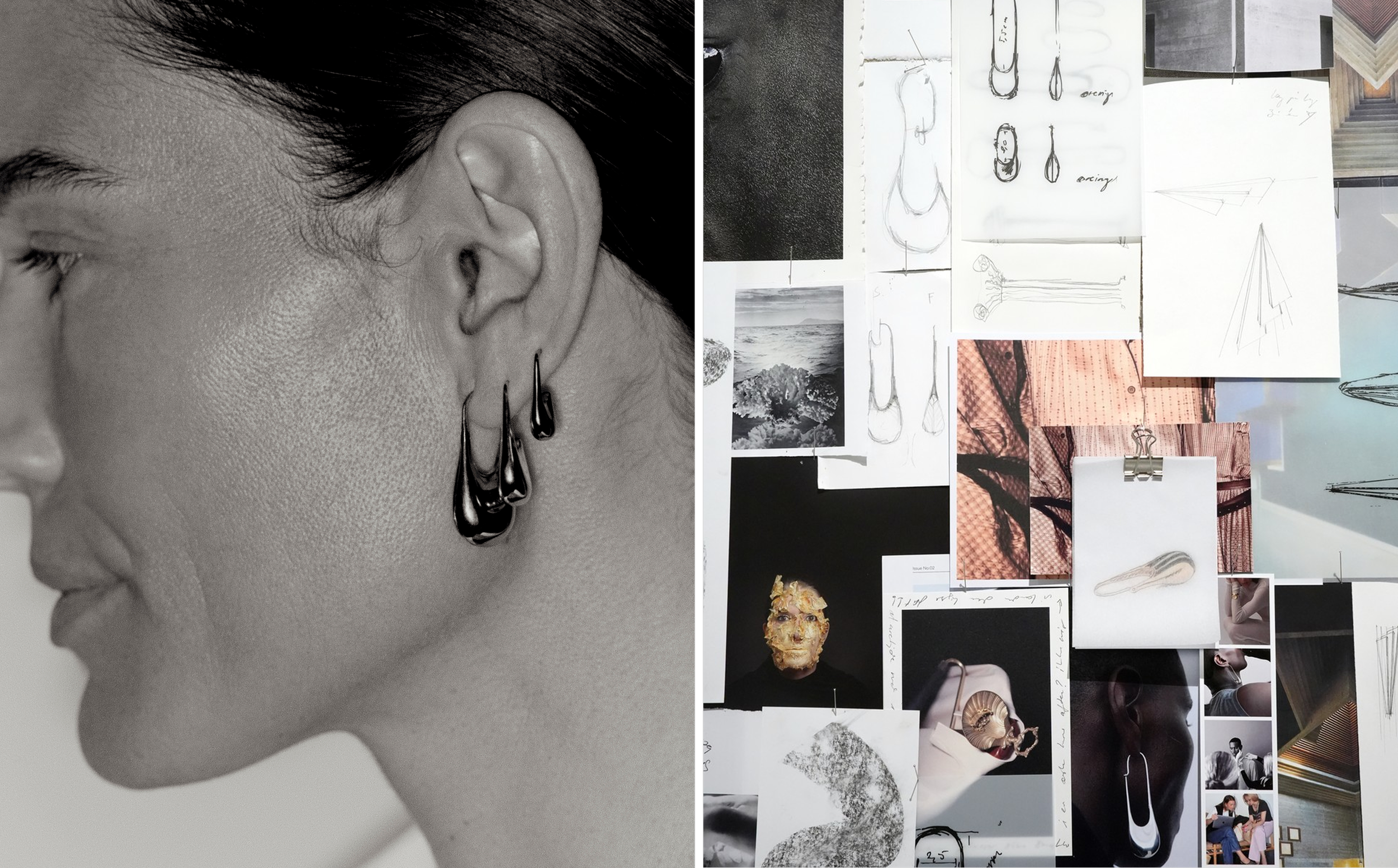
I was truly moved seeing your moodboards in person and witnessing the beauty of how you weave architecture, poetry, and art together; could you walk us through how that collection of images evolves into a tangible piece of jewelry.
Thank you - that means a lot, because the moodboards are really where every collection begins.
I don’t approach design with a predetermined shape in mind. Instead, I collect fragments of ideas: a detail from a building, a line from a poem, a shadow cast by afternoon light, a sculpture, a material surface. At first, they seem unrelated, but over time patterns begin to emerge.
The process is very intuitive in the beginning and then becomes increasingly analytical. Once I identify a common thread, I start translating those emotions and observations into form, proportion, and material. The question is always: how do I distill the essence of an idea rather than literally reproduce it? I want the final piece to carry the feeling of the inspiration, not simply reference it. The jewelry becomes a condensed expression of many layers of thought, culture, and craftsmanship.
READ FULL INTERVIEW ON SUBSTACK
YOU MIGHT ALSO LIKE
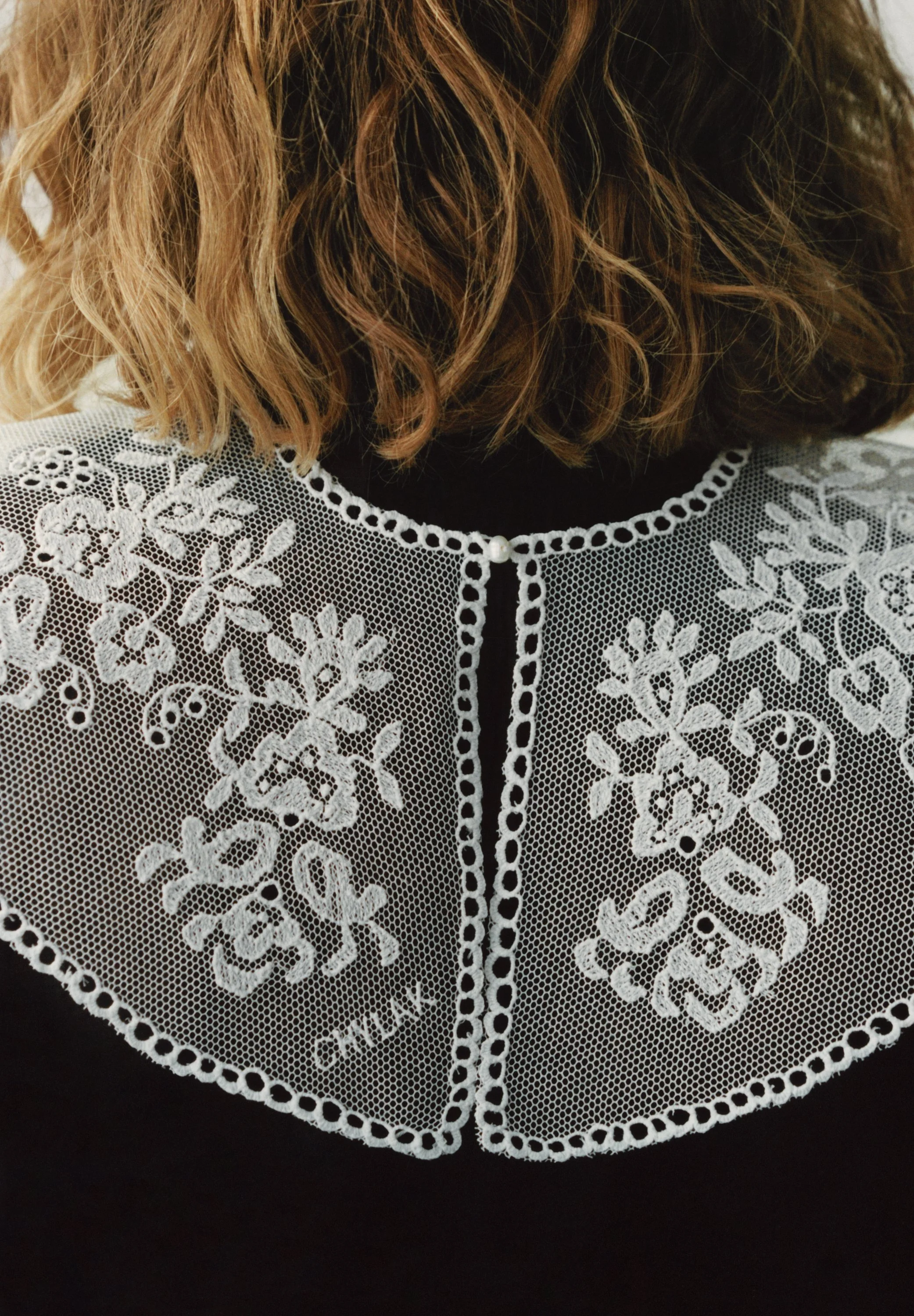
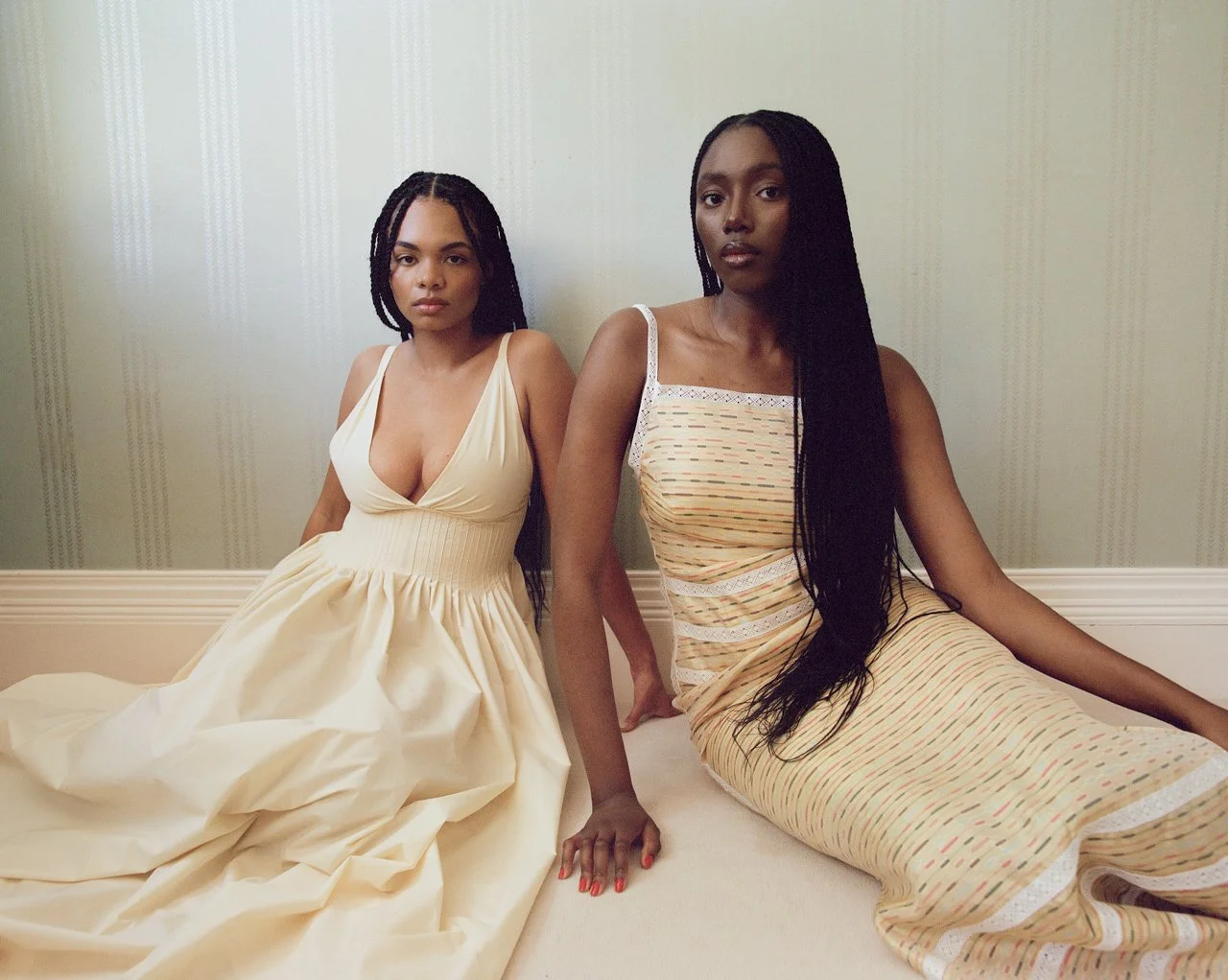
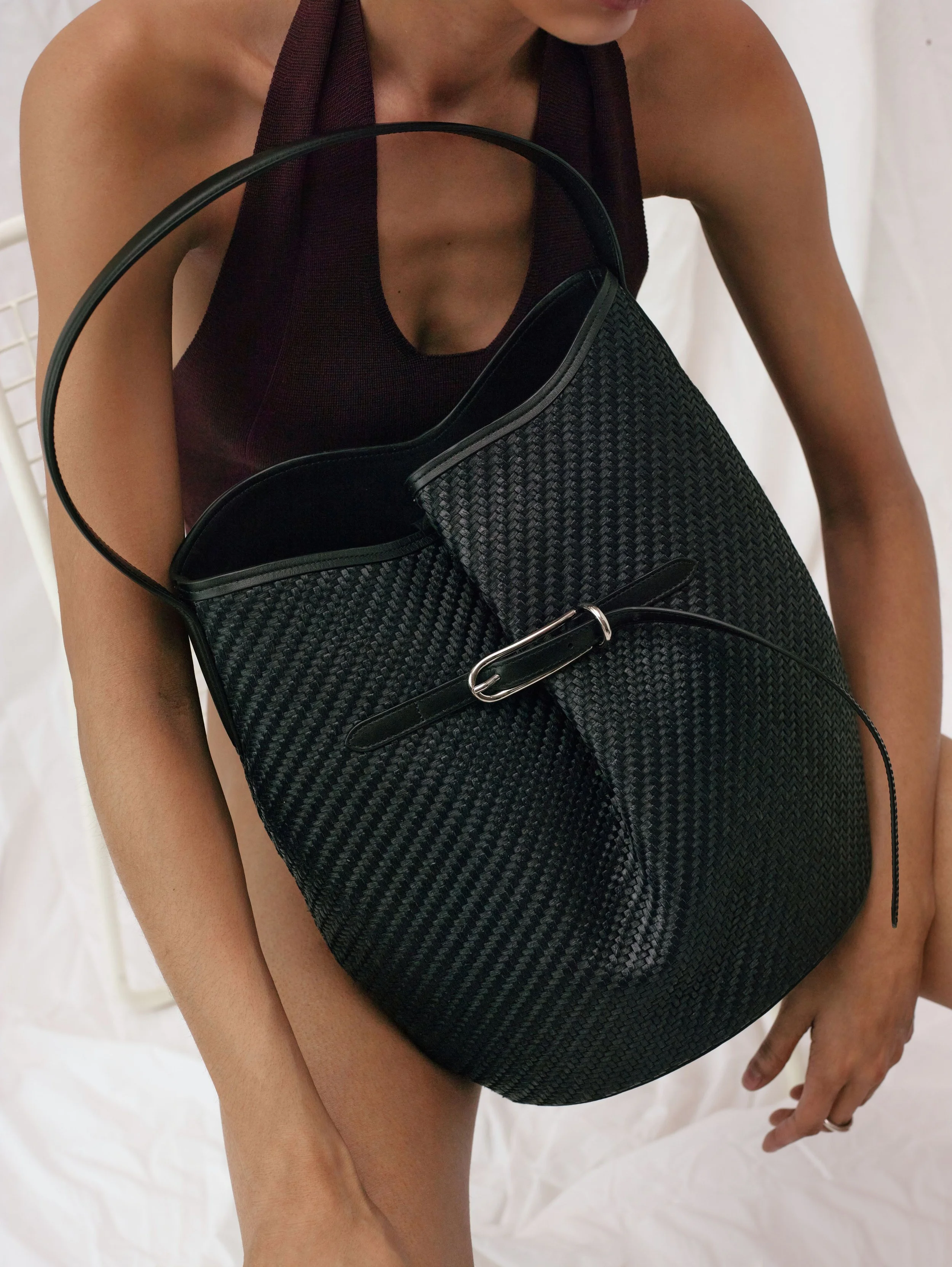
Returning from the transient energy of Paris pop-ups to her hometown of Tokyo, Yuri Mizutani founded IRIS as a sanctuary for stillness. We spoke with her about the art of slowing down, the cultural memory woven into vintage fabric, and her vision for fashion as a genuine human connection.