
Fowlescombe
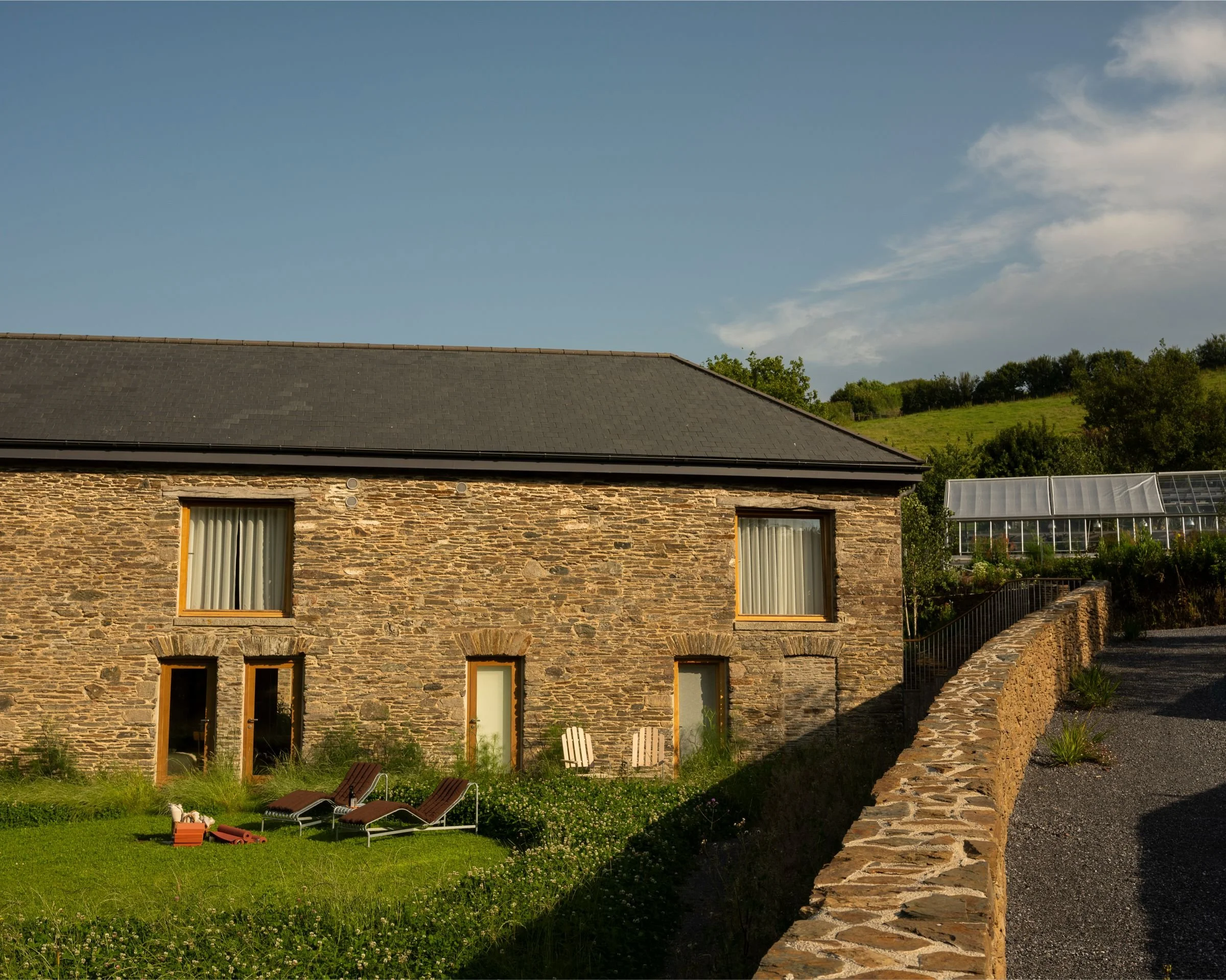
In a world where “sustainability” is often just a marketing label, Fowlescombe, a 450-acre working farm in South Devon, offers a genuine return to regenerative living.
Nestled in a secluded valley, this sanctuary harmonizes agriculture and luxury hospitality, proving that true regeneration extends from soil health to community well-being. We spoke with Caitlin Owens, founder of Fowlescombe, who shares the journey of creating a space where feminine leadership, honest farming, and deep human connection redefine the future of travel. We explore how Fowlescombe challenges the extractive norms of rural tourism, inviting guests not just to stay, but to rethink their relationship with the land and the food they eat.
Interview NICOLE GAVRILLES
Images courtesy of FOWLESCOMBE
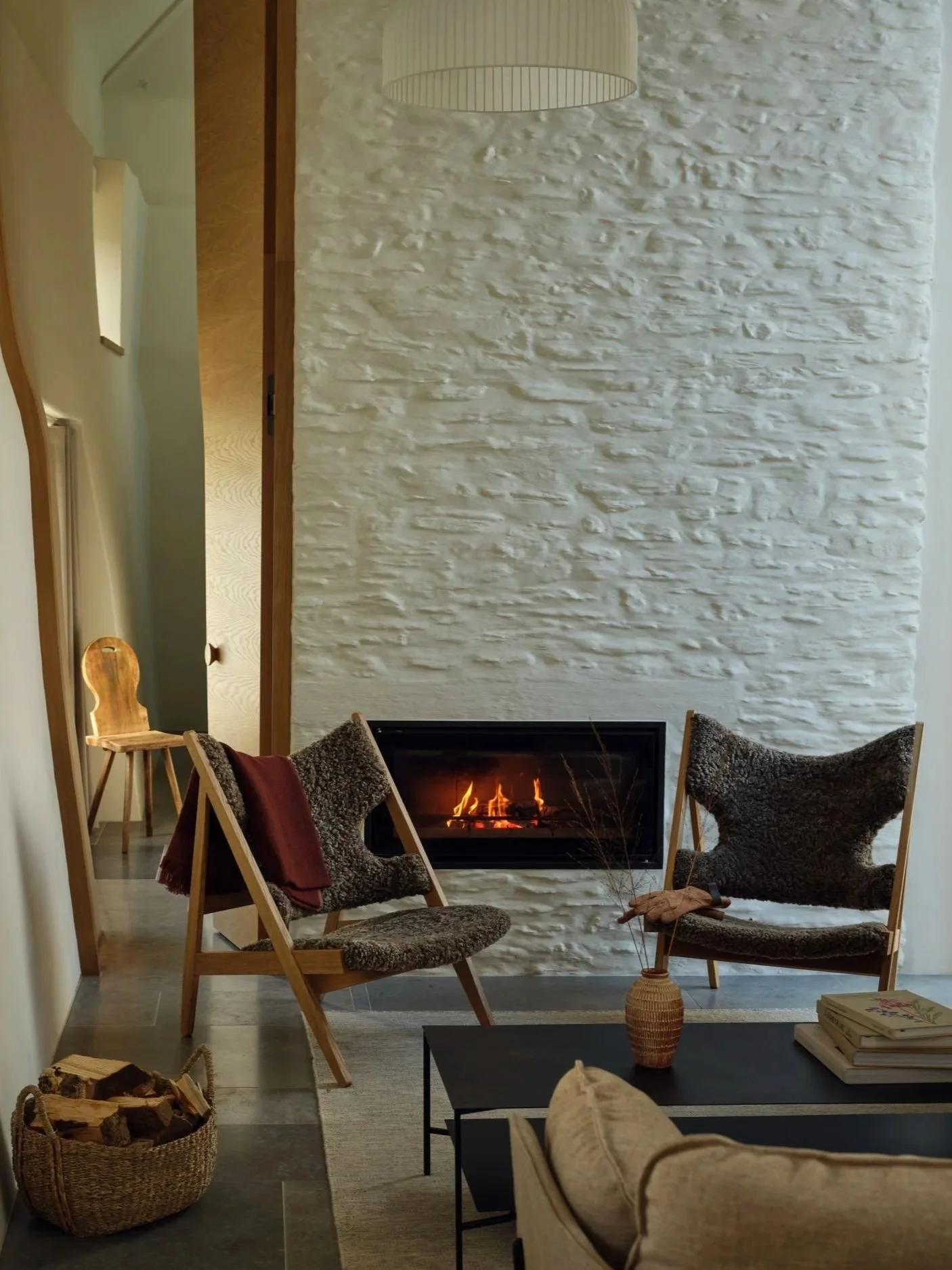
photo by Jon Tonks
Your journey to Fowlescombe seems to weave together diverse experiences and a deep-seated respect for the natural world; looking back at your own background and the path that led you here, what was the specific moment or feeling on these 450 acres that ultimately convinced you this place needed to become a sanctuary for regenerative farming rather than just another hospitality venture?
We first weren’t thinking of making Fowlescombe into a hospitality venture. My husband Paul, though he wasn’t my husband at the time, and I were immediately struck by the beauty of the site set close to wilds of Dartmoor in Devon. When you are in Fowlescombe, nestled in the valley, you cannot see out, nor can you hear anything from the outside world. The buildings sit at the bottom of this regenerative valley, completely surrounded by birdlife and animal life. There is an unbelievable level of productivity; things grow so well here, creating an amazing energy.
At the same time, we began selling meat to chefs who were preparing at-home meals during lockdown. These chefs visited the farm and were transfixed by the idea that they could see produce being grown in such a productive way and then serve it directly on the table. I realized there was an opportunity to do something special, so I quit my job and never looked back.
With the core vision driven by you, Elly in the kitchen, and Shelley in the gardens, how does this feminine leadership triad influence the daily rhythm of the farm and the way you collectively make decisions about the land and your guests?
There is undeniably a lot of feminine energy here. Two of my three duty managers are female, as is my head housekeeper. However, I don’t think this influences how we run the business in a ‘softly, softly’ manner. We are females who get things done…
READ FULL INTERVIEW ON SUBSTACK
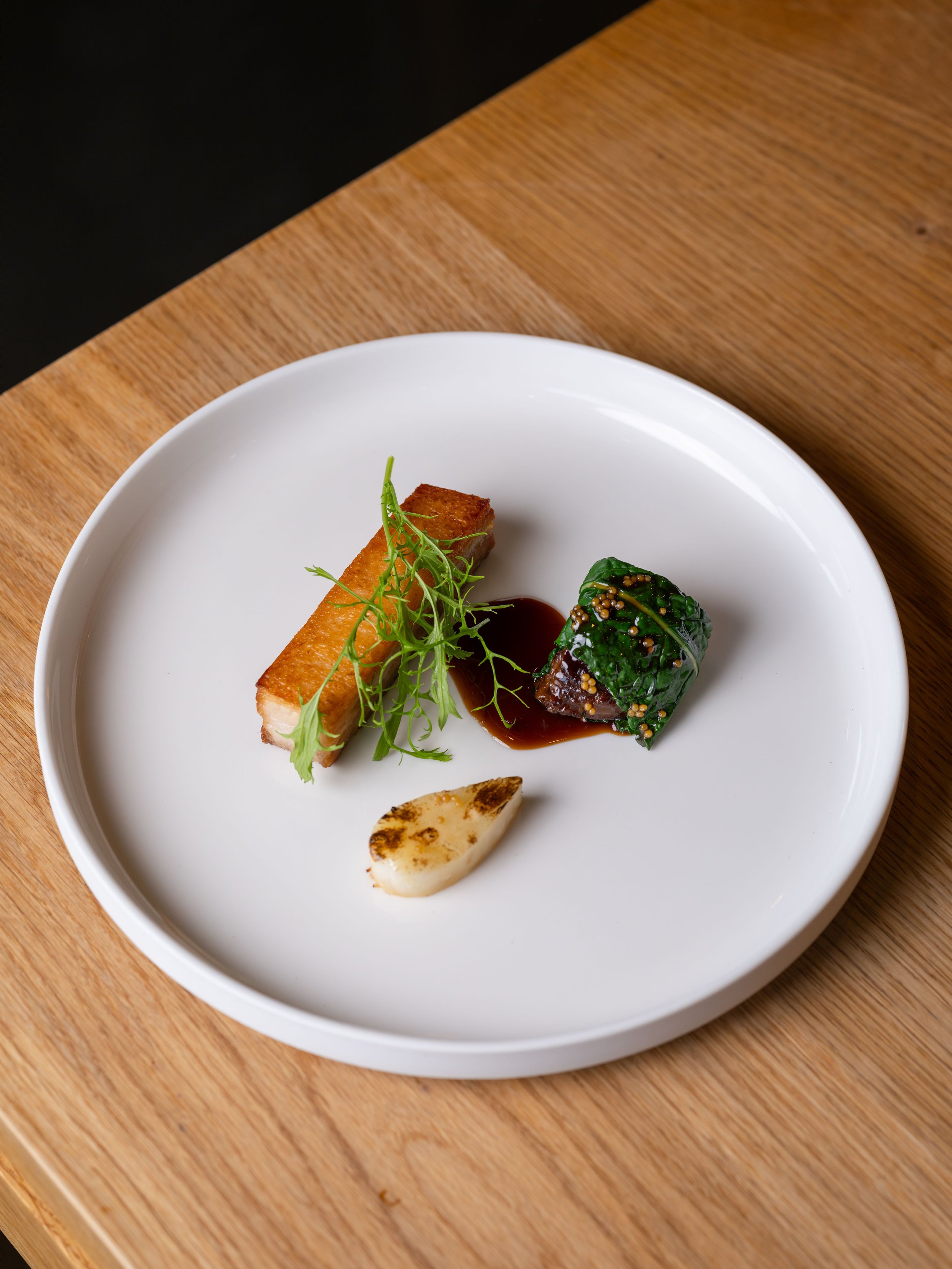
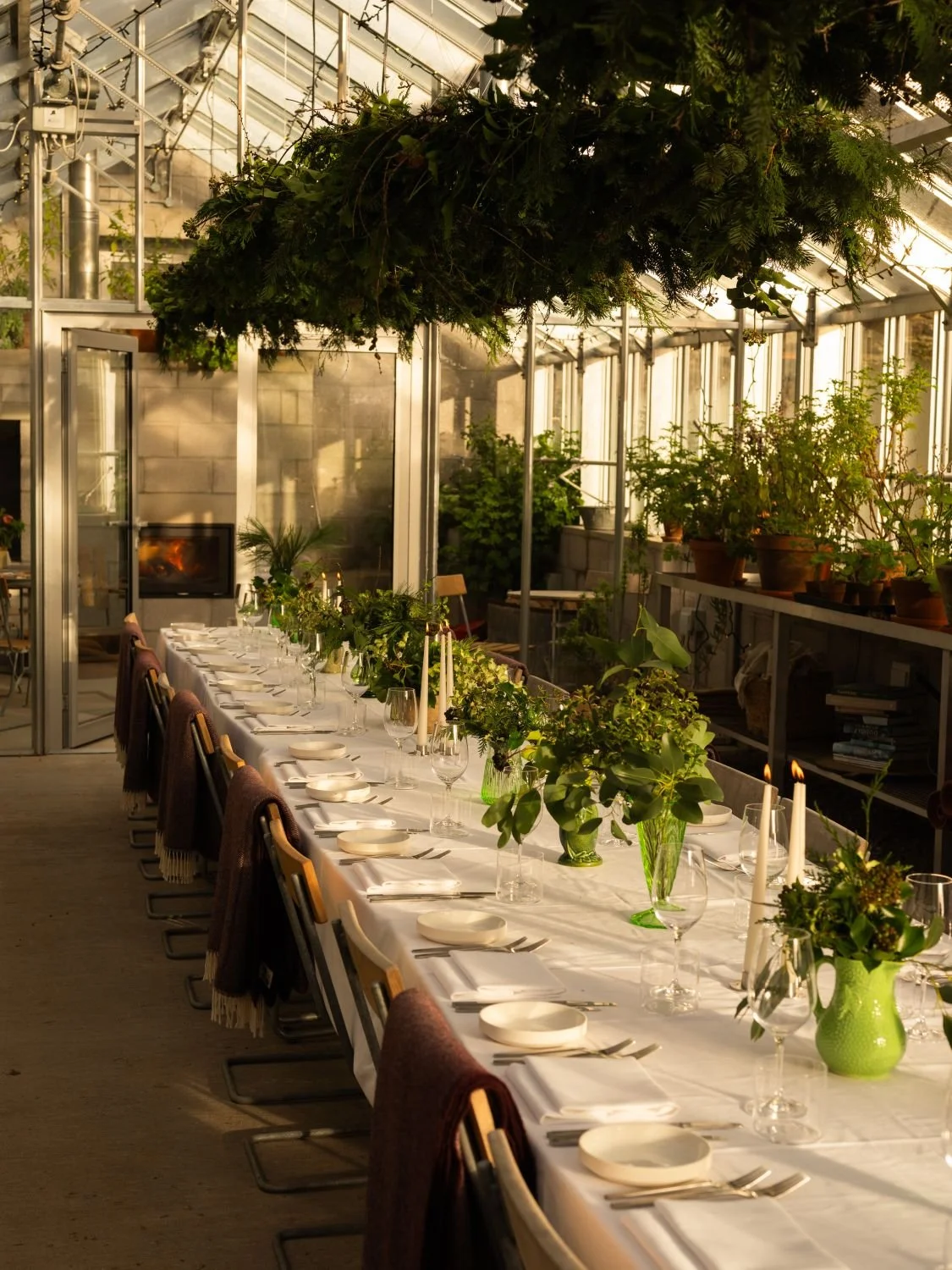
Tamworth pork dish captured by Frankie Thomas. Greenhouse captured by Jon Tonks.
YOU MIGHT ALSO LIKE


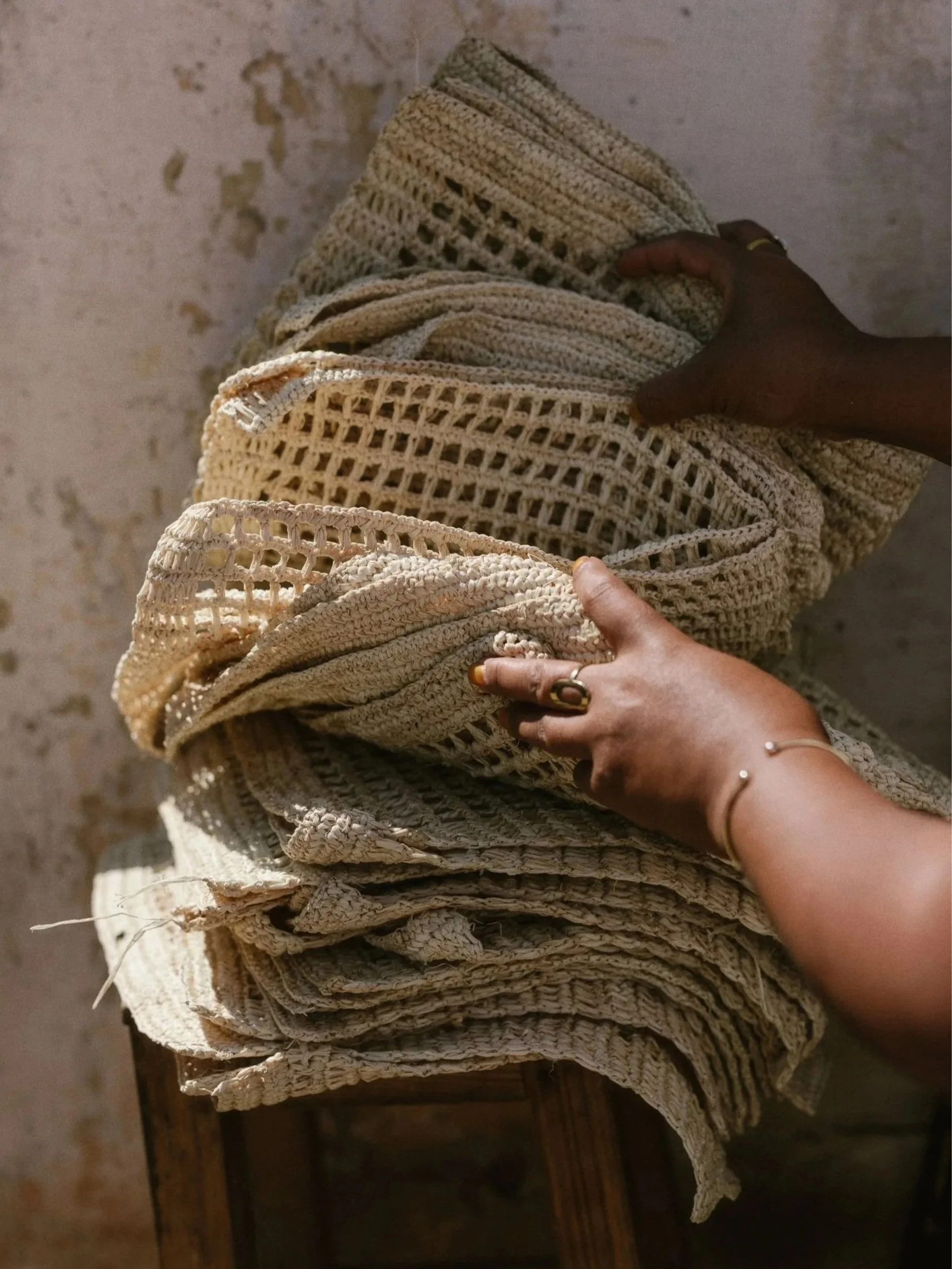

The first of our One | At Home Series, photographer Vanessa Granda opens the doors to her peaceful home, sharing how she built a space around comfort, intention, and the art of slowing down.