
IRIS Toyko
More than a retail space, IRIS is an invitation to pause: a bright, intimate setting where time is gifted rather than sold, and where every visit begins with a cup of kuromame-cha (black soybean tea) and a conversation.
After years of navigating the transient energy of pop-up events in Paris, Yuri Mizutani returned to her roots in Tokyo to establish IRIS, a permanent archive showroom nestled in the quiet, residential streets of Gakugei-Daigaku.
Operating on a strict one-appointment-per-hour basis, Yuri has reimagined the act of shopping as a dialogue, bridging the gap between historical preservation and contemporary life. Here, iconic pieces from Comme des Garçons and Yohji Yamamoto are not treated as untouchable museum artifacts, but as living garments waiting to be woven into new stories. We spoke with Yuri to discuss the art of slowing down, the cultural memory held within vintage fabric, and her vision for a future where fashion fosters genuine human connection.
Photography RYOHEI AMBO
Styling NATSUMI OGASAWARA
Hair & Makeup TAKERU URUSHIBARA
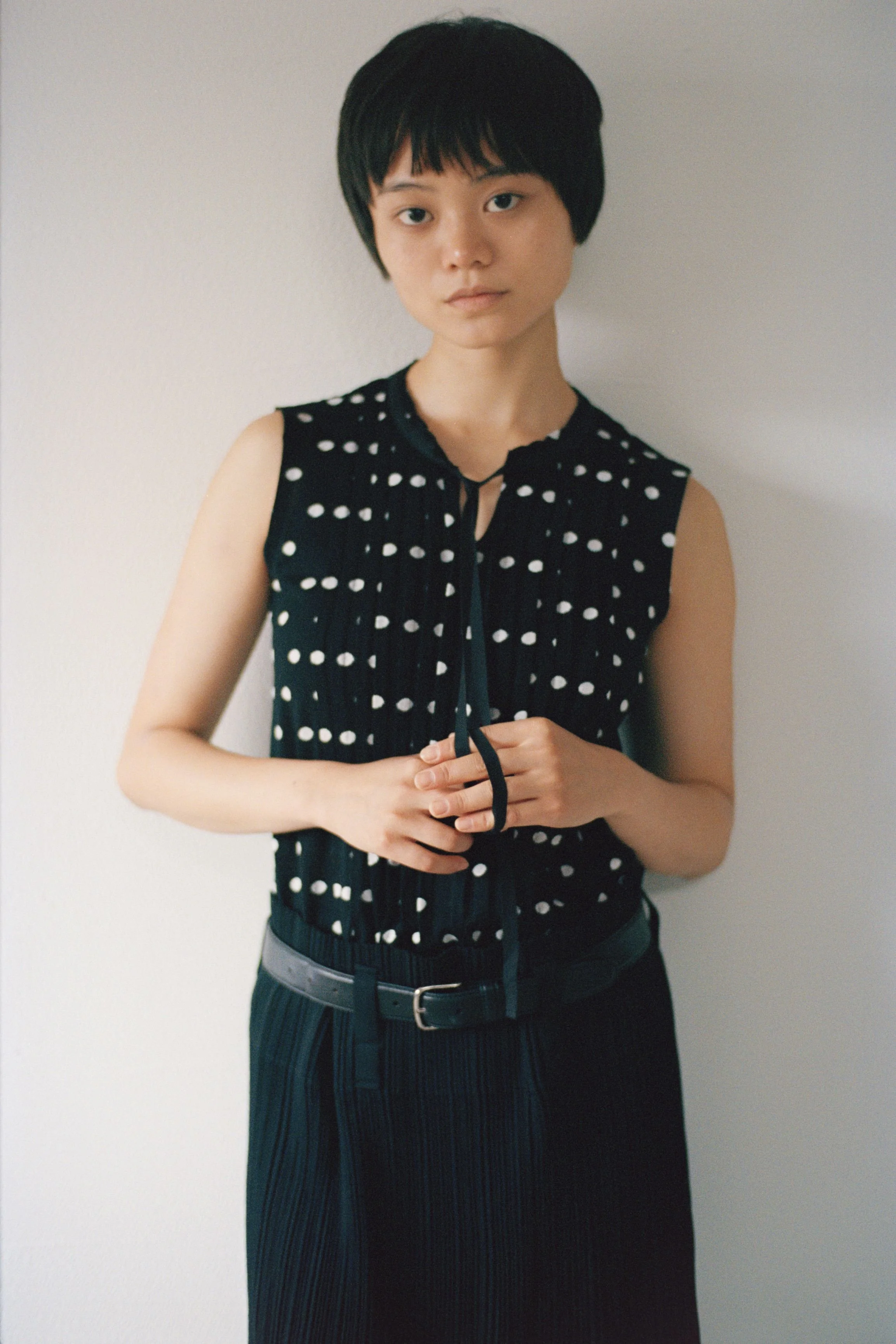
Model TSUKI
Production & Editorial LELIA BTERRANI
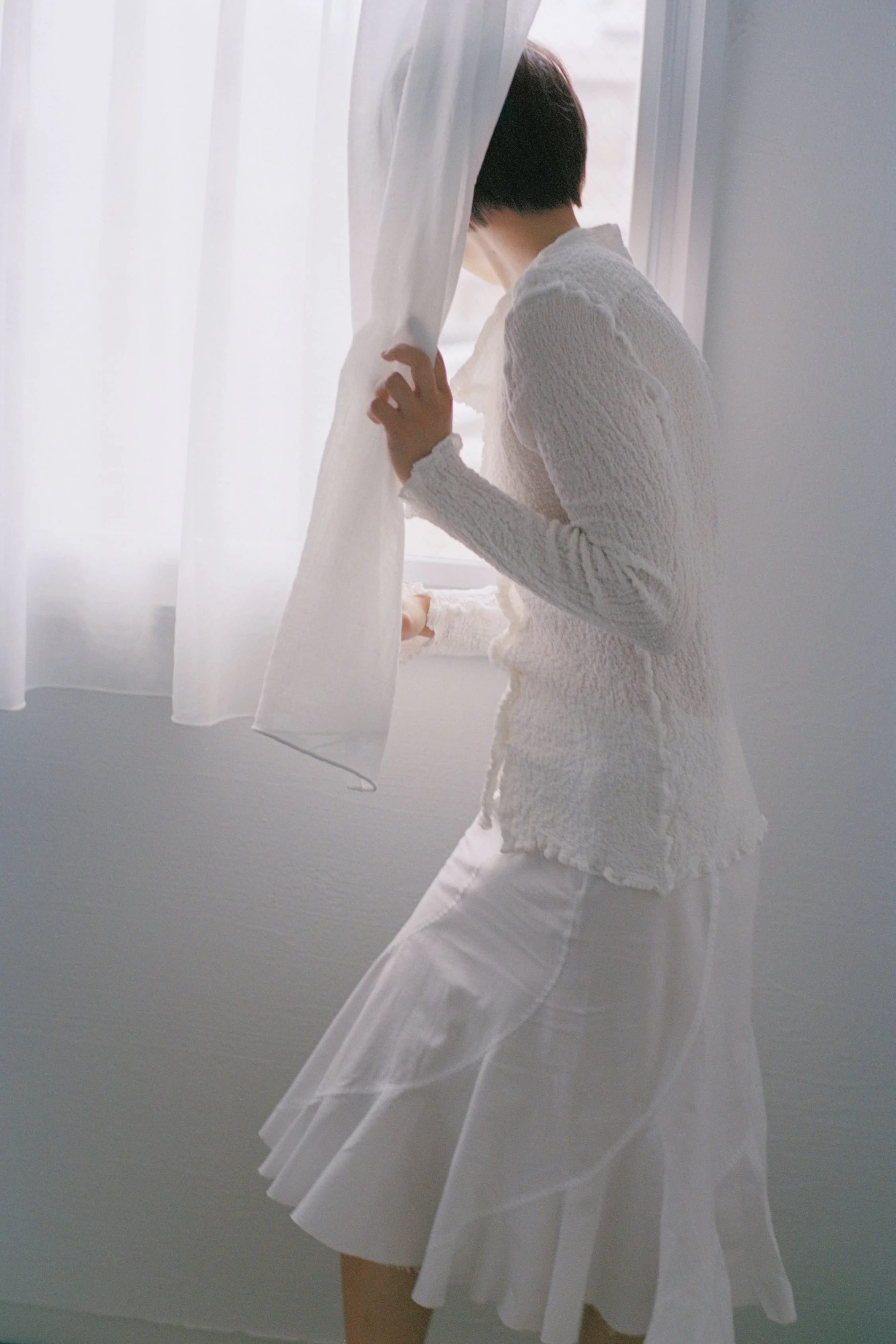
All clothing featured from IRIS TOKYO
Interview NICOLE GAVRILLES
Showroom imagery courtesy of IRIS TOKYO
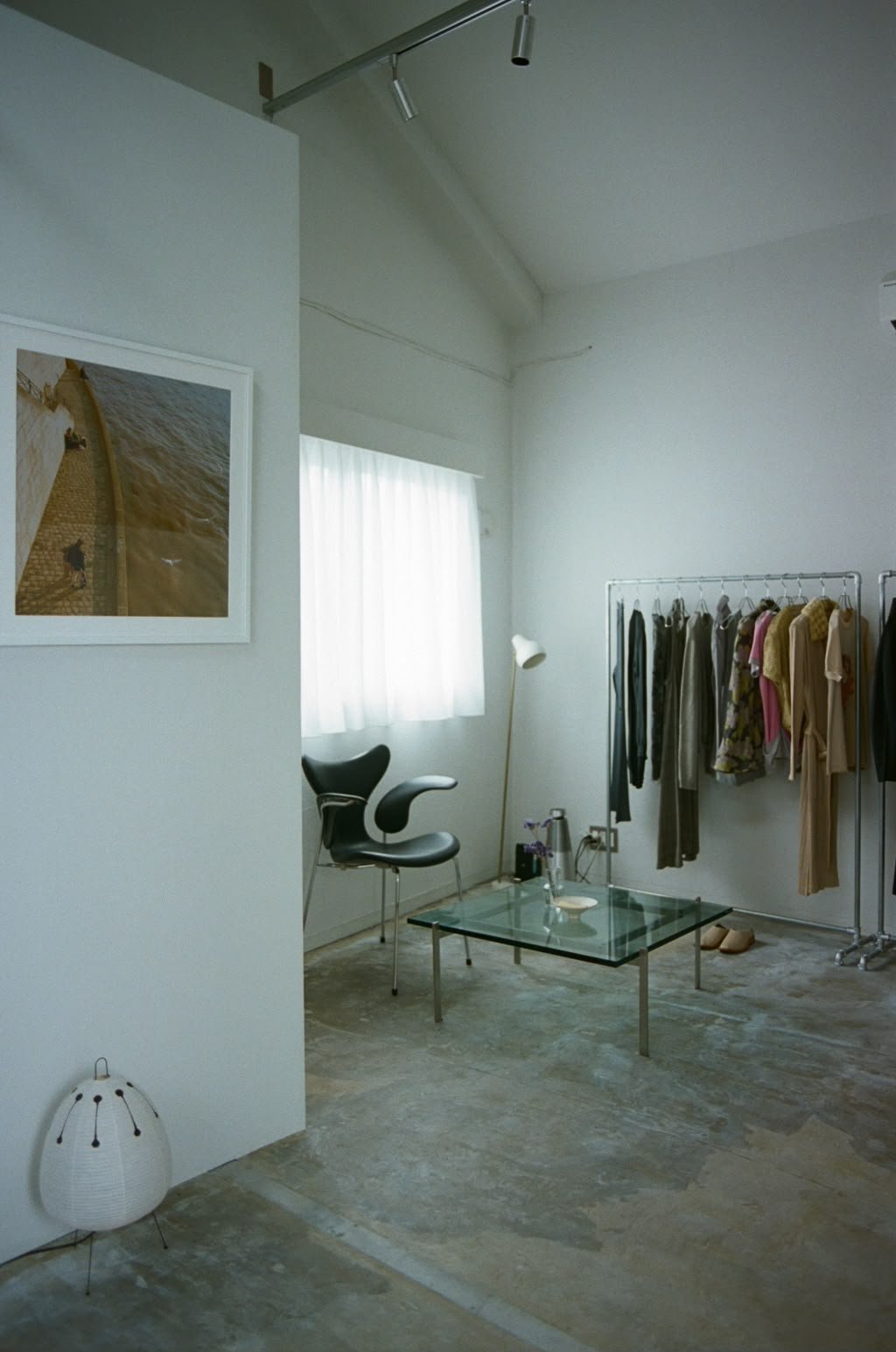
You spent time presenting your collection through pop-ups in Paris, which often carry a sense of urgency and movement. When you returned to Tokyo to create this permanent space, how did you envision the pace of the visit changing, and what feeling were you hoping to anchor your guests in the moment they step through the door?
At IRIS, I want people to feel as though they're relaxing in someone's home. My goal is to offer a calm, comfortable environment where I can share the world I've created with each visitor.
Pop-ups certainly have their own excitement. There's a unique energy that comes from their temporary nature and the constant flow of people. But after organizing many pop-ups, I found myself wanting a permanent space more and more.
For me, sharing the atmosphere and philosophy behind the collection is an essential part of the process of presenting clothing. That's difficult to achieve in a temporary setting, whereas a permanent showroom allows that experience to unfold naturally.
Above all, I want visitors to feel at ease and enjoy shopping at their own pace.
You chose to establish IRIS in Gakugei-Daigaku, a neighborhood in Meguro known for its quiet, residential charm rather than the bustle of a fashion district. What was it about this specific corner of Tokyo that felt like the right home for your vision, and how does the character of this neighborhood influence the spirit of the showroom?
Gakugei-daigaku is where I grew up, so it has always felt familiar and comforting to me. When I imagined opening my own space, choosing this neighborhood felt completely natural.
As I mentioned earlier, I want visitors to feel relaxed while they're here. That made it important for me to create the showroom in a place where I also feel at home.
Since IRIS operates by appointment, welcoming only one group per hour, I actually think a quiet residential neighborhood suits the concept better than a busy fashion district.
At the same time, Gakugei-daigaku is well connected to central Tokyo and attracts many people with a strong appreciation for design and culture. I love the balance between its relaxed atmosphere and its urban character, it perfectly reflects what IRIS is all about.
The serving of kuromame-cha feels like a quiet invitation to pause before the clothes even become the focus. Is there a personal memory or a specific intention behind choosing this tea, and how do you see that first sip setting the tone for the conversation that follows?
My mother has always blended different teas depending on how she feels each day, and her black soybean tea blend has always been my favorite.
In Japan, drinking tea is part of everyday life. When people welcome guests into their homes, it's common to offer a cup of tea first. For me, black soybean tea has always been something I drink when I want to slow down, relax, or simply clear my mind. It always brings me a sense of calm.
I wanted visitors to experience that same feeling when they come to IRIS.
So far, everyone has enjoyed it, and many tell me how delicious it is. I hope to continue offering it as a small gesture of Japanese hospitality and a reflection of who I am.
By limiting the showroom to one reservation per hour, you’ve essentially gifted your visitors the rare commodity of uninterrupted time. In your experience, how does the atmosphere of the room shift once a guest realizes they don’t need to rush, and what kind of stories tend to emerge in that silence?
Because visitors make an appointment in advance, many arrive feeling both excited and slightly nervous.
But once they're here, sharing a cup of tea and having a personal conversation helps them relax. You can almost feel the atmosphere become more comfortable.
Since each appointment is one-on-one, occasionally, with two or three guests together, our conversations rarely focus only on the clothes. We often talk about their lifestyle, their favorite places in Tokyo, or simply what’s inspiring them at the moment.
Those conversations naturally help me understand their personality and preferences before they even begin trying things on. That allows me to make styling suggestions that truly suit them, rather than simply recommending individual pieces.
Many of the pieces at IRIS, from Comme des Garçons to Yohji Yamamoto, carry a significant historical weight. When a visitor is given the space to truly handle these archival garments without pressure, do you find their relationship to the clothing changes from ‘admiring an object’ to something more personal or intimate?
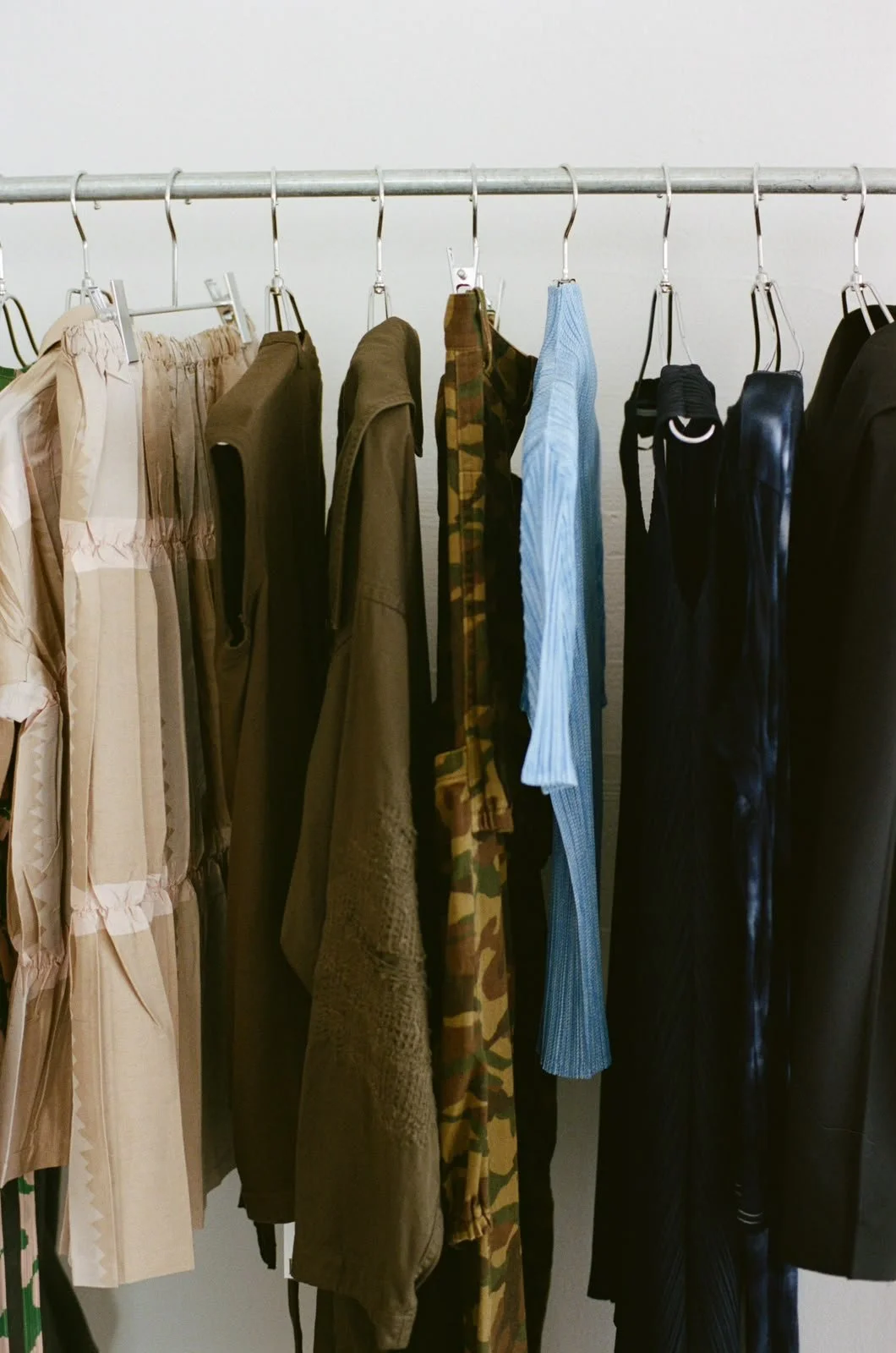
When I select pieces for IRIS, I don't focus on the stereotypical images people often associate with these designers, whether that's the avant-garde side of Comme des Garçons or Yohji Yamamoto's all-black aesthetic.
Instead, I'm drawn to pieces that I can genuinely imagine wearing in everyday life, or unique womenswear that feels expressive without being difficult to style.
Because of that, I don't think visitors experience the garments as museum pieces. Rather than simply admiring them, they begin imagining how they would wear them and how the pieces could become part of their own wardrobe and everyday life.
Many visitors tell me they've never seen such a collection of women's archive pieces by Japanese designers, or that they had no idea brands like Comme des Garçons or Yohji Yamamoto had created garments like these. Those reactions are always rewarding to hear.
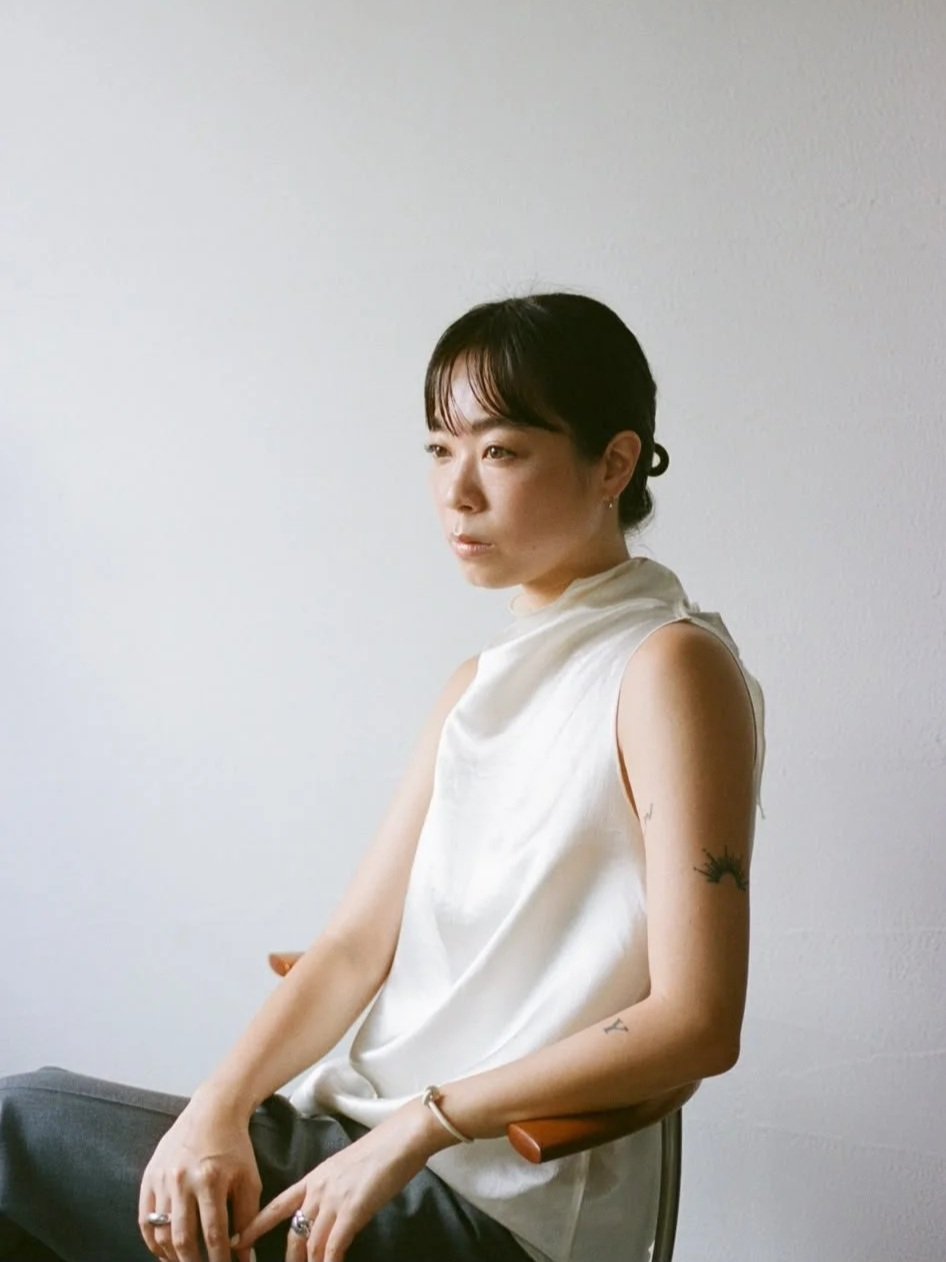
Yuri Mizutani, fouunder of IRIS Tokyo
“Once people can picture themselves wearing it in different situations, it stops feeling like something to preserve and starts feeling like something that naturally belongs in their wardrobe.”
Because you are often present during these appointments, the visit becomes a dialogue rather than a transaction. Could you share a moment where a guest’s reaction to a piece surprised you, or where a simple exchange about a garment turned into a deeper connection?
Most of the pieces I carry were originally made to fit Asian body types, so it's not unusual for some of my Western customers to find the sizing a little small.
When sourcing, finding pieces that work across different body types can definitely be challenging. Even so, whenever I come across something that truly speaks to me, I do my best to bring it into the collection.
One piece that stayed with me was a beautiful corset-style dress by Y's. I honestly thought it would be difficult to find someone that would fit perfectly, but I loved it so much that I decided to keep it in the showroom.
One day, a customer from Europe visited IRIS. As we talked, I learned more about her personal style, and I had a feeling the dress would suit her. When she tried it on, both the fit and the design were absolutely perfect for her. She was genuinely delighted, and seeing how happy she was made the moment unforgettable for me.
I had chosen that dress because it spoke to me, and through our conversation I was able to understand who she was and connect her with something that truly resonated with her. Moments like that remind me why I enjoy personally welcoming every visitor. They allow relationships to grow naturally through both clothing and conversation.
When a visitor falls in love with a piece from the past, how do you guide them to see it not just as a historical object to be protected, but as a living part of their own wardrobe?
Every piece at IRIS is selected with one simple question in mind : Would I, or my customers, genuinely want to wear this in everyday life?
Because of that, although many of the garments have historical significance, they're also pieces that fit naturally into a contemporary wardrobe. Rather than focusing on their archival value, I prefer to talk about how they can become part of someone's daily life.
I spend time learning about each visitor's lifestyle and observing the way they dress when they arrive. From there, I usually suggest two to four different ways to style a piece.
Once people can picture themselves wearing it in different situations, it stops feeling like something to preserve and starts feeling like something that naturally belongs in their wardrobe.

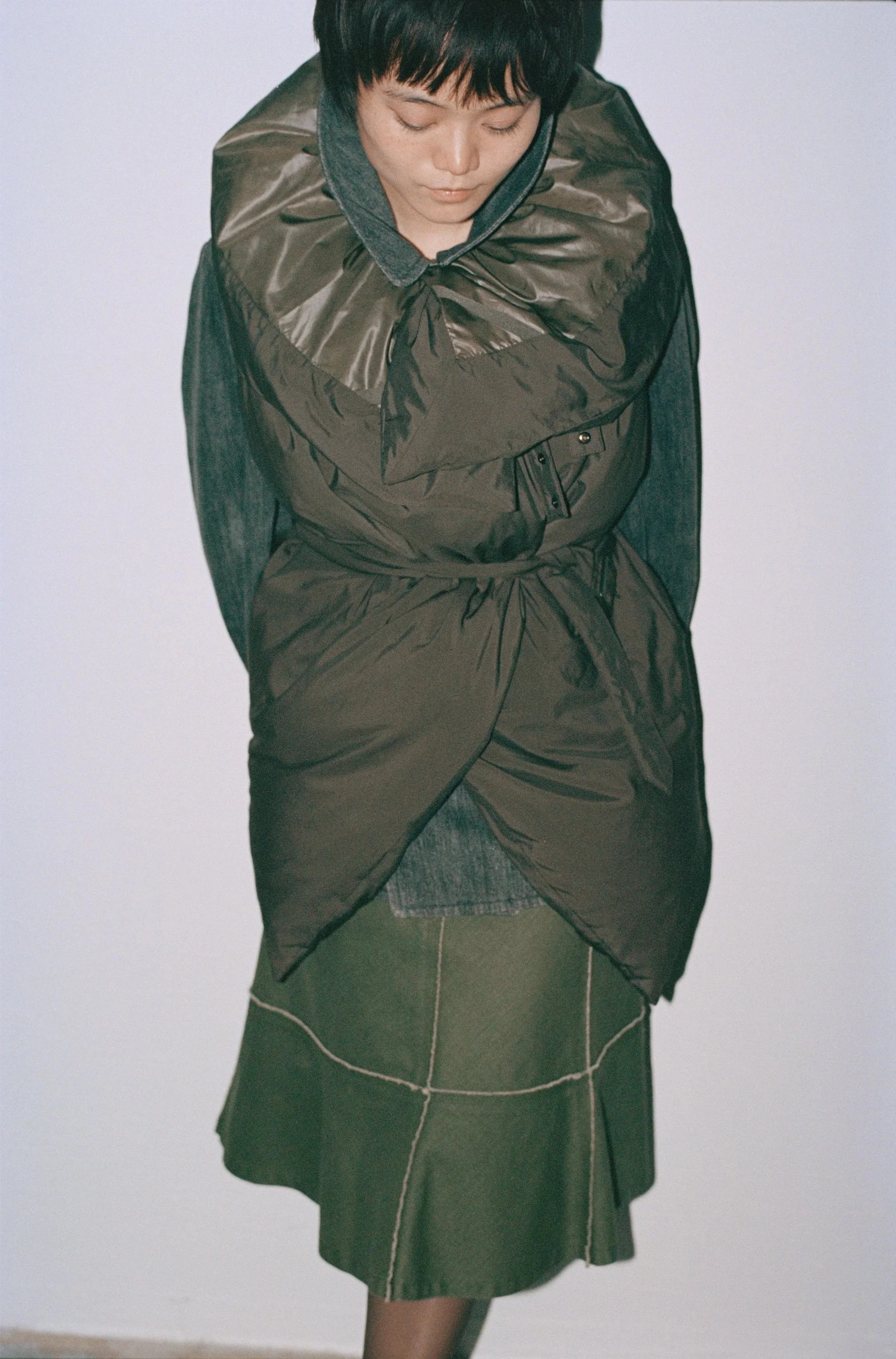
“I hope to preserve the delicate creativity and cultural heritage built by previous generations of Japanese designers, not simply by protecting archive pieces as objects of the past, but by encouraging people to wear them, enjoy them, and allow them to continue creating new stories in the present.”
You built your initial community with a European clientele while in Paris, and now you welcome international visitors to Meguro. When someone travels specifically to experience this ritual at IRIS, what is the one thing you hope they carry home with them, beyond the garment itself?
For visitors from overseas especially, I hope that spending time at IRIS becomes one of the highlights of their stay in Tokyo.
That's why I care so much about creating an experience that goes beyond shopping. I want people to feel the comfort of the space, experience Japanese hospitality, and enjoy discovering the collection at their own pace.
Ultimately, I hope IRIS becomes a place people look forward to returning to every time they visit Tokyo.
Fast fashion moves quickly, but vintage seems to hold time still. What is it about these archival pieces that inspires you most as a form of cultural memory, and why do you feel it is vital to keep these specific stories alive today?
Archive pieces created by previous generations of Japanese designers constantly surprise me. They often make me think, "I never knew garments like this existed," or "I had no idea Japanese brands explored design in this way."
Researching the stories behind each piece and carefully selecting them is one of the most rewarding parts of what I do. Then, when I actually wear them, I'm often surprised by their silhouettes,and details; they almost always exceed my expectations.
Each experience deepens my appreciation for the richness of Japanese design.
Living abroad also changed my perspective. It was only after spending time outside Japan that I truly came to appreciate the craftsmanship, subtlety, and unique design language of Japanese fashion.
Now that I've rediscovered those qualities from the outside looking in, I feel I can share them with both Japanese and international audiences through my own perspective.
I hope to preserve the delicate creativity and cultural heritage built by previous generations of Japanese designers, not simply by protecting archive pieces as objects of the past, but by encouraging people to wear them, enjoy them, and allow them to continue creating new stories in the present.
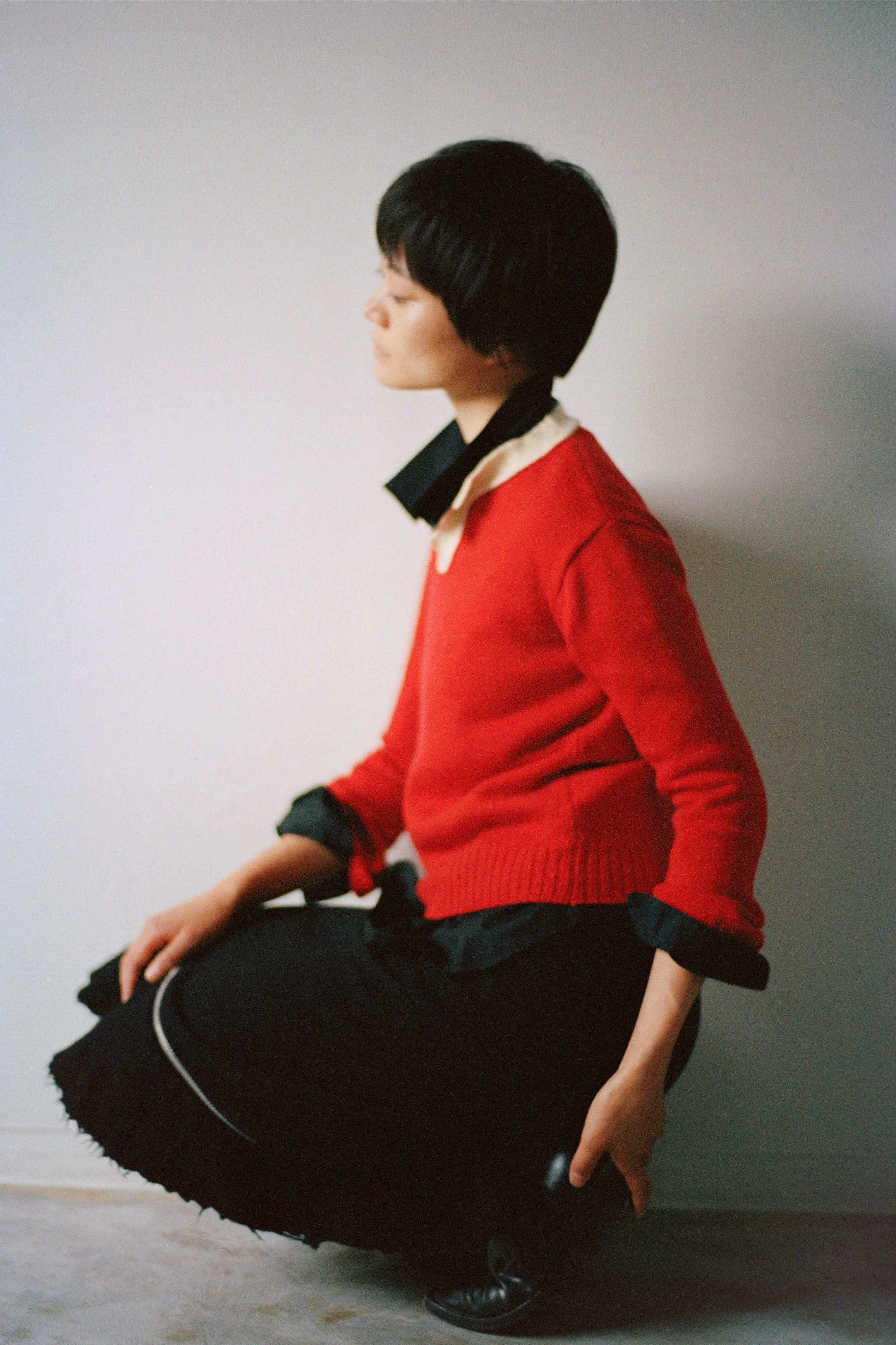
As you look toward the next few years, how do you envision the story of IRIS unfolding? Whether it’s deepening the community here in Tokyo or finding new ways to share these archives with the world, what is the next chapter you are quietly preparing for?
One of the things I loved most about living in France was the culture of apéro. I still miss it because we don't really have an equivalent in Japan.
The conversations and sense of connection that naturally emerged over a glass of wine before dinner left a lasting impression on me.
I'd love to bring that feeling into IRIS.
I'm interested in creating experiences where people can gather over a glass of wine or a cup of tea, not just to shop, but to spend time together,”exchange ideas”,and enjoy the atmosphere of the space.
Looking ahead, I'd also love to organize pop-ups again in places that are personally meaningful to me, such as Europe, the United States, and South Korea, and introduce the IRIS experience to new communities around the world.
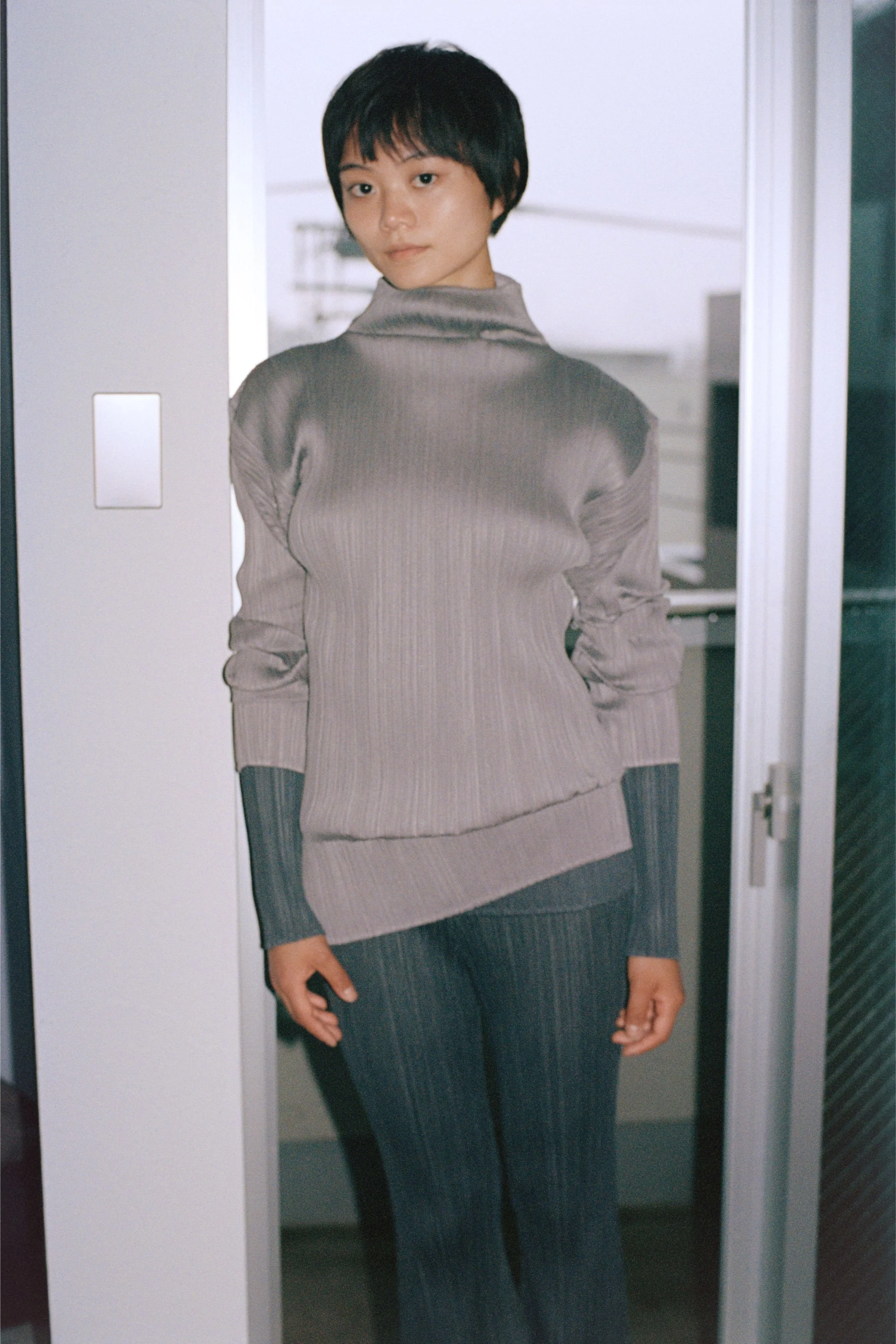
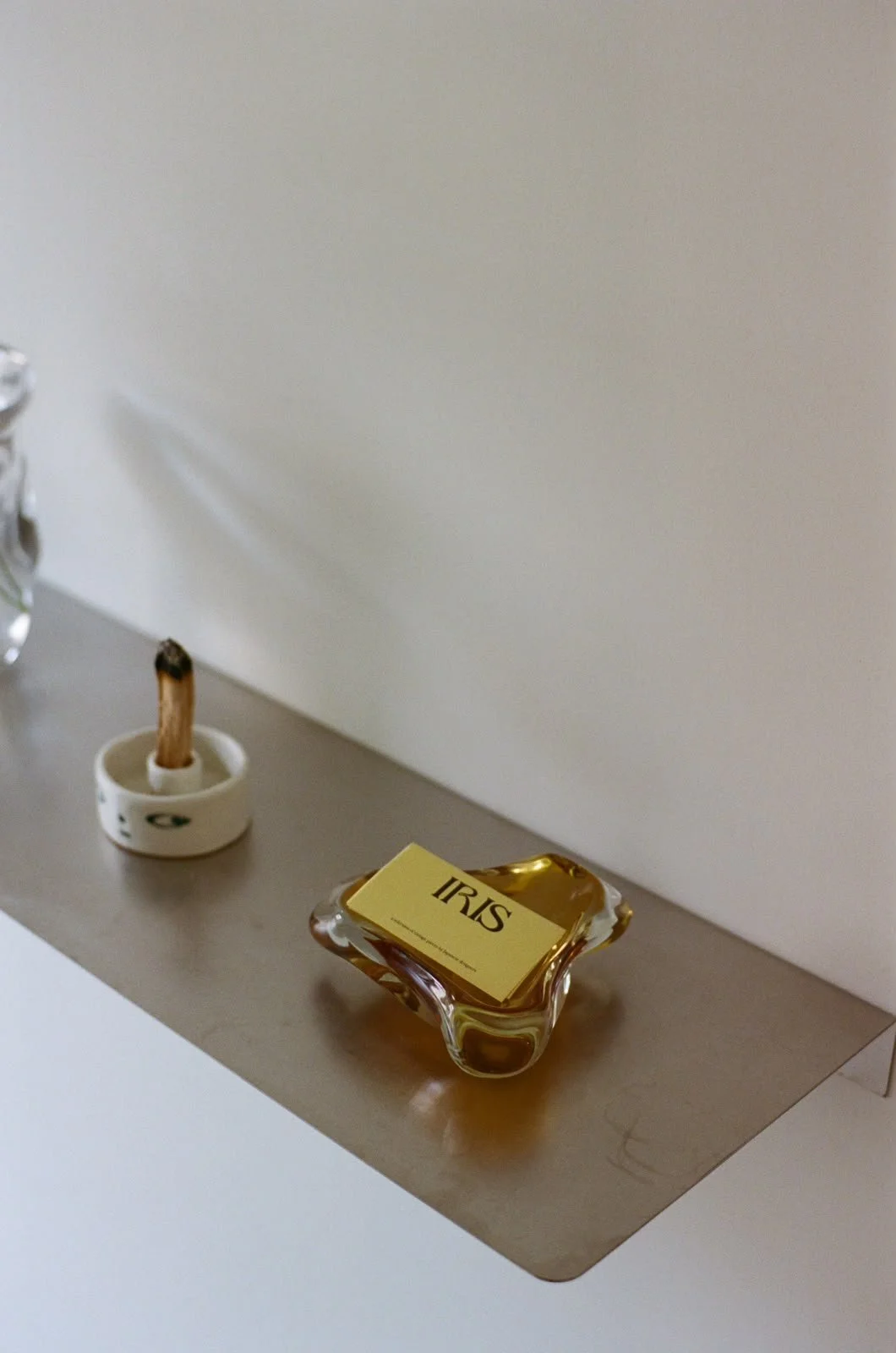
For more information about IRIS Tokyo and how to make an appointment, visit and follow on instagram @iris_archive_tokyo
Interview published for ONE Magazine Online
YOU MIGHT ALSO LIKE


We spoke with Kindred Black founders Jennifer and Alice about their timeless world where skincare vessels become art, ingredients tell ancient stories, and new jewelry serves as personal talismans.