
Swedish Stockings
For a decade, Linn Frisinger has led a quiet revolution in hosiery, transforming Swedish Stockings from a reaction to disposable fashion into a global standard for sustainable luxury.
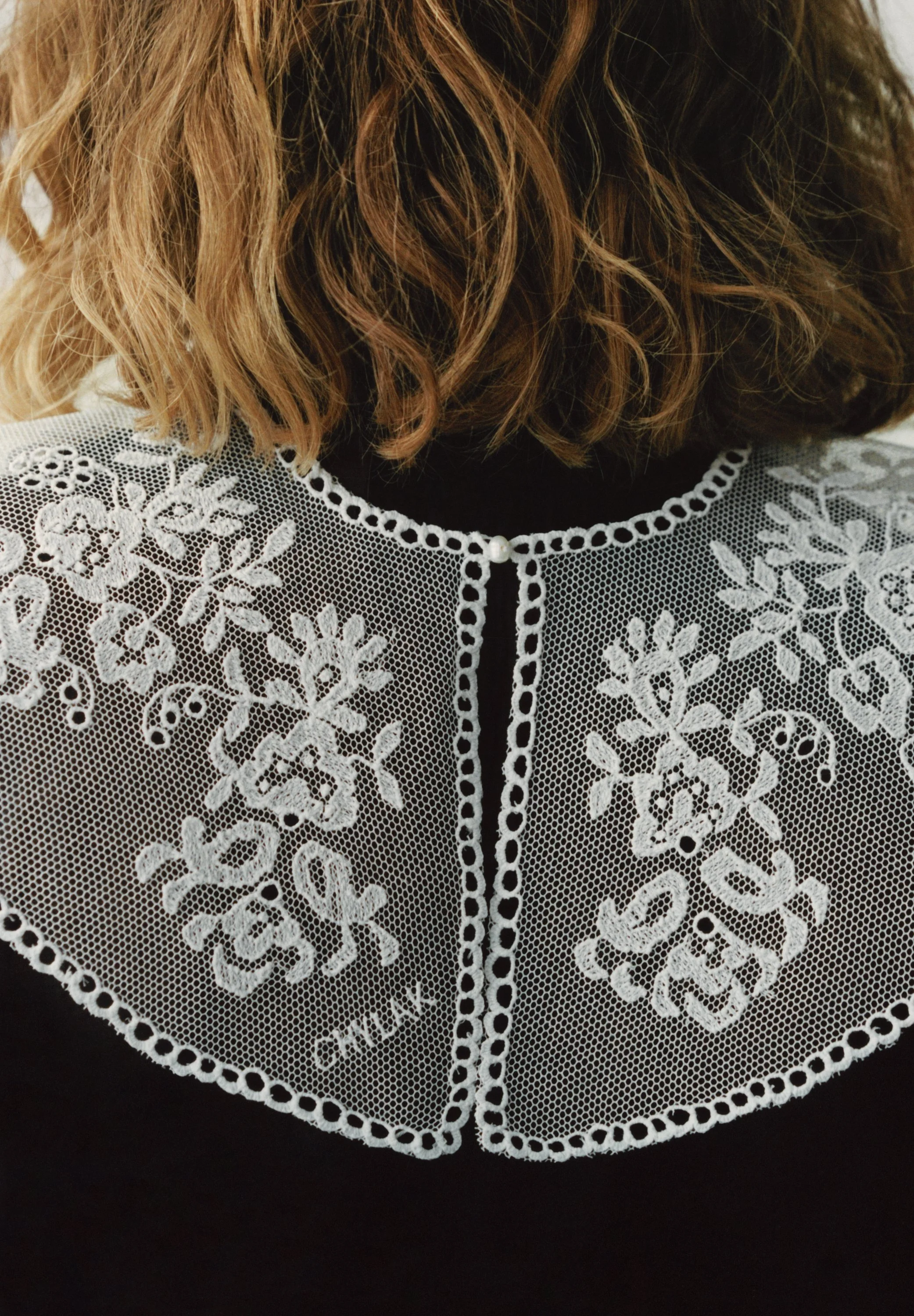
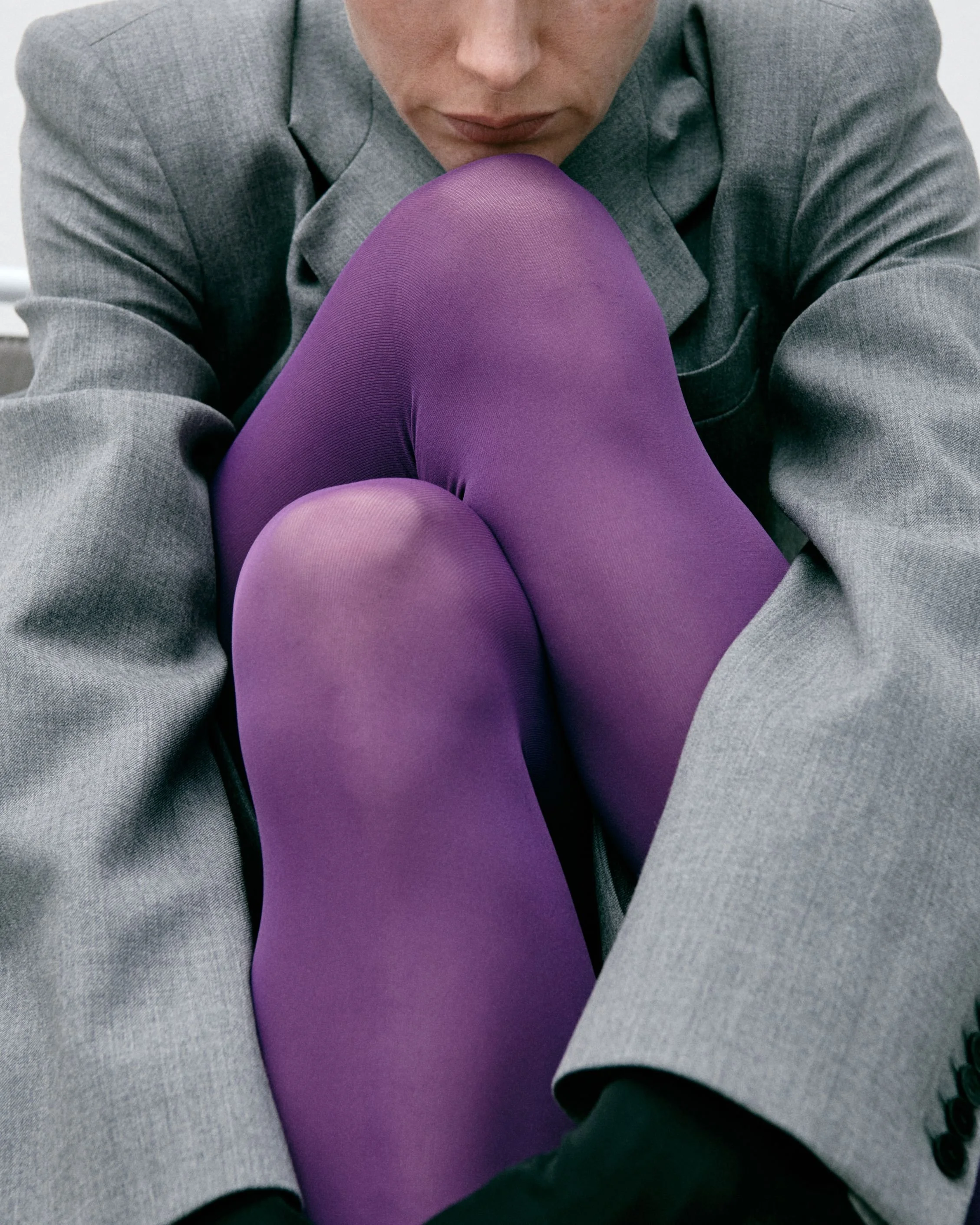
Now, with the launch of the AW26 collection and a refreshed brand identity, the focus shifts: legwear is no longer an afterthought, but a central, intentional design piece. In this conversation, Linn Frisinger reflects on ten years of progress, the honest complexities of circularity, and why the future of fashion lies in evolution rather than perfection.
Interview NICOLE GAVRILLES
Images courtesy of SWEDISH STOCKINGS
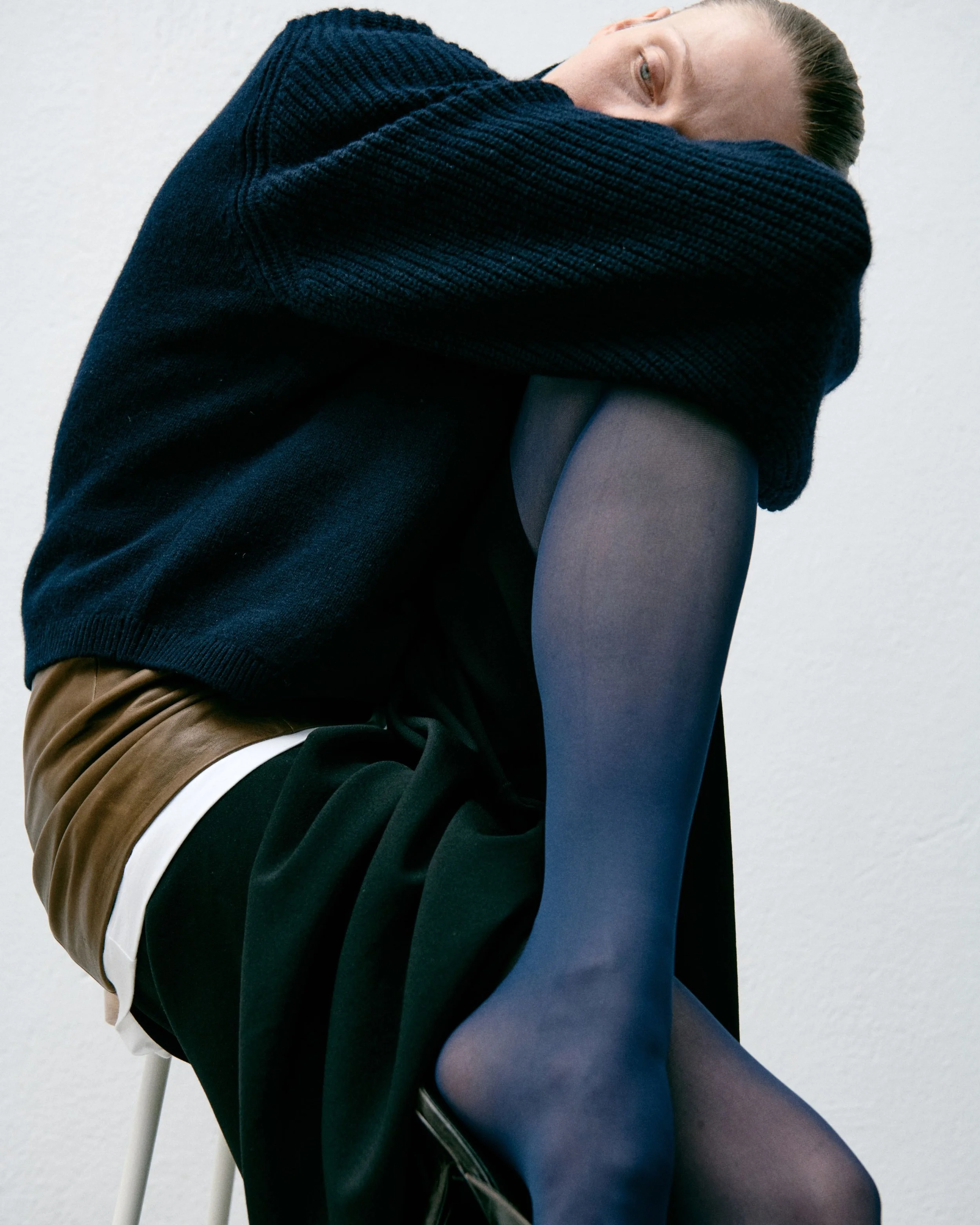
Before Swedish Stockings became a global name in sustainable fashion, you were navigating a very different landscape. Could you take us back to the beginning and share a bit about your background and the specific moment or realization that compelled you to leave the traditional path and build a company dedicated to reimagining hosiery?
I have no background in fashion. Before starting Swedish Stockings, I competed in show jumping, and that discipline, resilience, and competitive drive have carried straight over into running a company. There are actually many similarities. I also grew up in an entrepreneurial family, so the idea of building something of my own was always there. The real turning point came after watching the documentary The Light Bulb Conspiracy. It opened my eyes to planned obsolescence, and I realized just how unsustainable hosiery was - a product made from plastic, often worn only once or twice before being thrown away. It felt like both a huge gap and a challenge I wanted to take on.
When you first started Swedish Stockings a decade ago, you called tights the "plastic straws of the fashion industry." Now, looking at the landscape today, do you feel the industry has finally started to listen, or is there still a fundamental misunderstanding about the scale of waste in hosiery?
Our vision from day one has been to change and influence the entire fashion industry. Today, it feels like we're actually on our way there. Over the years we've built real expertise in producing high-quality, more sustainable hosiery, and many brands have approached us for help. That's why we started a production company that now helps other brands produce better tights, fully in line with our original vision of driving change across the industry. Sustainability is no longer a niche topic, it's an expectation. More people are talking about circularity and materials than they ever were ten years ago. But the actual scale of waste in hosiery is still underestimated. Because tights are small and relatively inexpensive, they're often overlooked in the sustainability conversation, yet billions are discarded every year after only a few wears. So I'd say there is still a long way to go…
READ FULL INTERVIEW ON SUBSTACK
YOU MIGHT ALSO LIKE


We spoke with Kindred Black founders Jennifer and Alice about redefining beauty as a collection of curiosities rich with history and symbolism. Their timeless approach transforms skincare vessels into collectible art and ingredients into meaningful narratives, alongside the recent launch of their first jewelry collection designed as personal talismans.