
Chylak
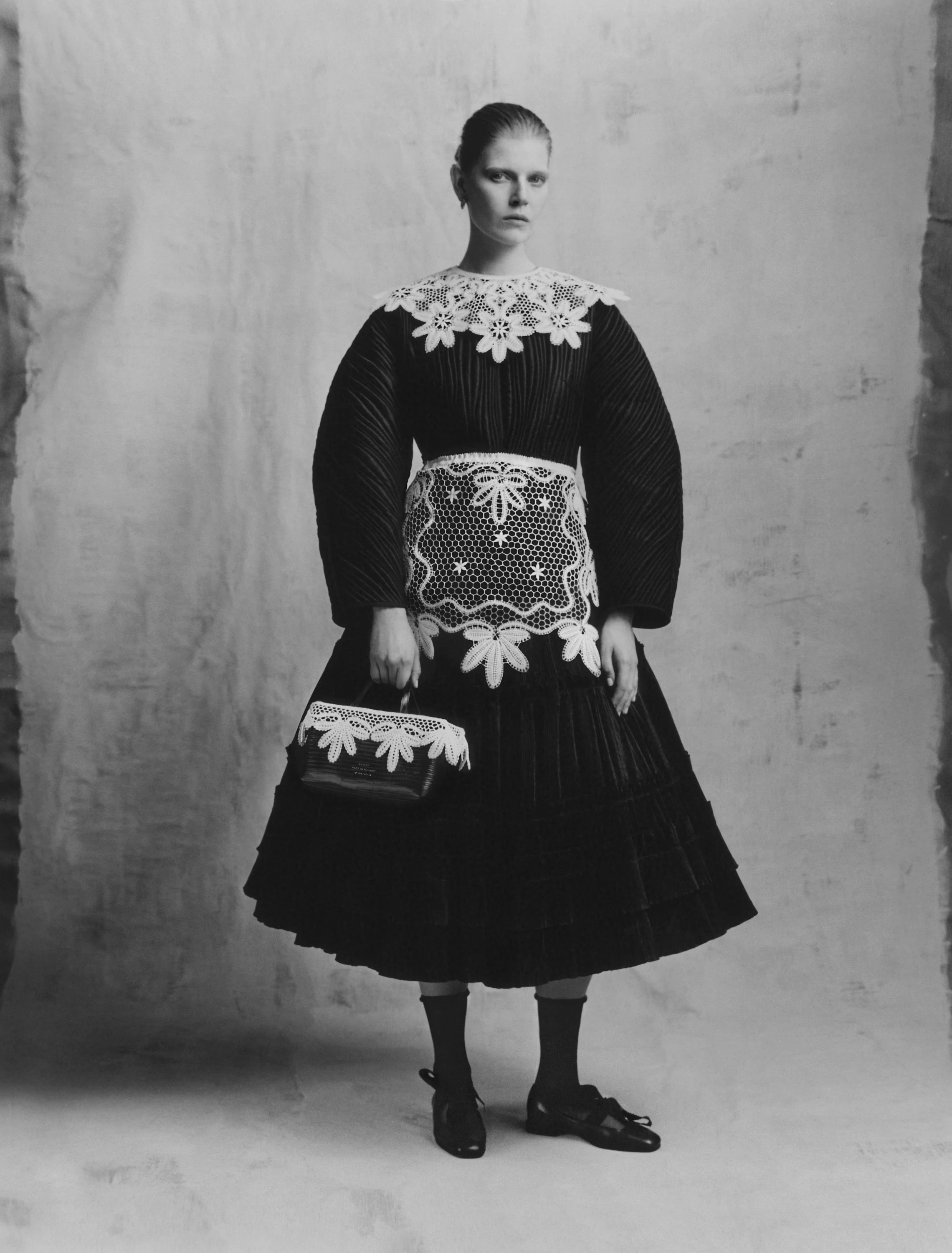
From the lace of Bobowa to the shapes of Polish pastries, Chylak weaves a narrative of heritage, sustainability, and the enduring power of the human hand.
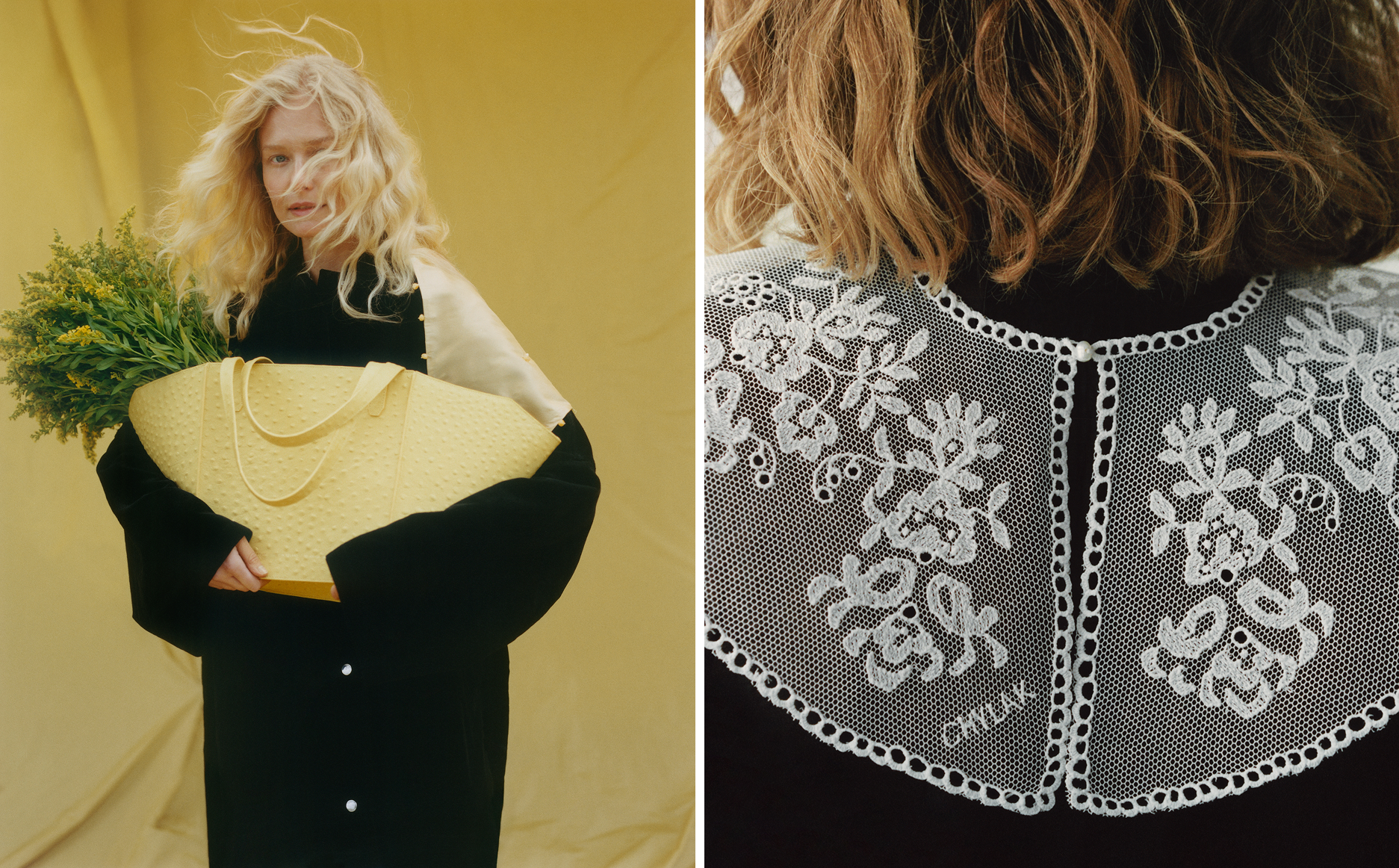
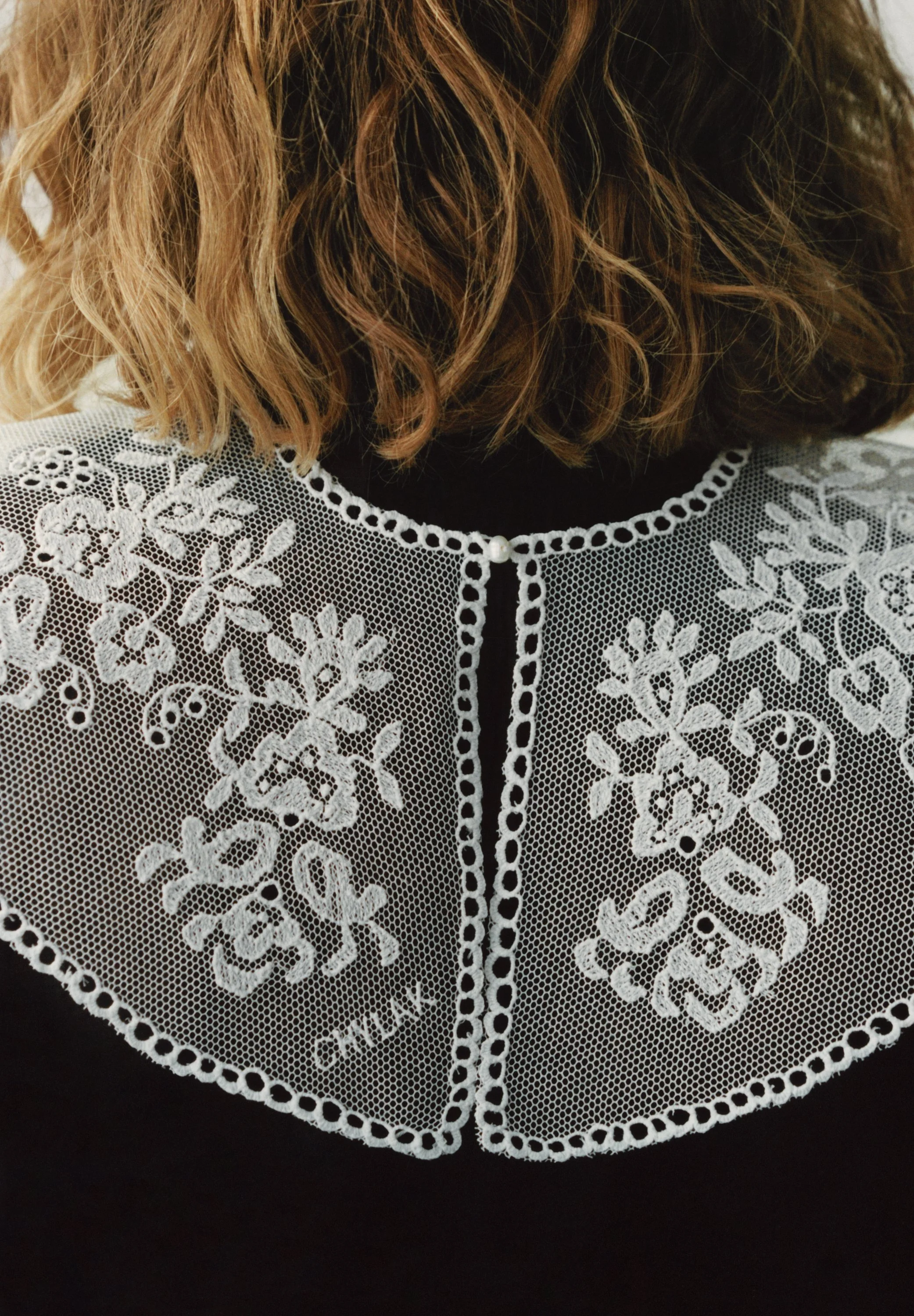
In the vibrant fashion landscape of Warsaw, Zofia Chylak has carved out a unique space where the quiet dignity of Polish tradition meets modern, sustainable luxury. From the intricate, seven-hour woven bobbin lace of Bobowa to jewelry inspired by the shapes of childhood baked goods, Chylak is more than a label; it is a narrative of cultural pride, ethical production, and the enduring power of the human hand. In this intimate conversation, we explore how Chylak’s journey from shy childhood dreams to a global fashion statement reflects a profound commitment to preserving heritage while shaping the future of conscious design.
Interview NICOLE GAVRILLES
Images courtesy of CHYLAK
Could you share a bit about the path that led you to establish Chylak, and what moment or realization convinced you that it was time to launch your own brand?
Fashion has been important to me since I was very young. I was quite a shy child, and I clearly remember the moment when I realised that clothes could act as a kind of shield - something that gave me confidence. I was raised by women who had a beautiful and very distinctive way of dressing. That had a huge influence on me.
The idea of pursuing fashion professionally came during my second year studying Art History at university. At the same time, I started working for one of the Polish fashion designers and learning tailoring. Later I went to New York for internships, and when I came back to Poland I already knew I wanted to start my own brand. I was young and, at the time, I simply didn’t see any reason not to do it straight away.
The brand began with bags before expanding into other accessories; what was the thinking behind that evolution and what prompted each new step?
My previous experience and education were focused on clothing. But I noticed that, back then, most new fashion brands in Poland were making clothes. I really wanted to do something different. I felt there were almost no young brands focusing exclusively on handbags, so I decided to give it a try. It turned out I had very little competition, which made my journey much easier. Once the brand was established, it became much easier to gradually expand into other product categories.
READ FULL INTERVIEW ON SUBSTACK
YOU MIGHT ALSO LIKE




We spoke with Kindred Black founders Jennifer and Alice about redefining beauty as a collection of curiosities rich with history and symbolism. Their timeless approach transforms skincare vessels into collectible art and ingredients into meaningful narratives, alongside the recent launch of their first jewelry collection designed as personal talismans.