
AMAYI
In an industry governed by the relentless tick of the seasonal calendar, where novelty is often mistaken for innovation, AMAYI offers a quiet but radical proposition: that true luxury lies not in what is new, but in what is singular.
Founded by Joanna Masiyiwa, a designer whose journey spans the vibrant landscapes of Zimbabwe and South Africa to the ateliers of London, the house operates on a philosophy of "future-vintage." Here, garments are produced in strictly limited editions, never to be restocked, ensuring that each piece remains a specific artifact of its moment while contributing to a growing, cohesive archive. As AMAYI unveils its Archive II edition on July 22, we sat down with Masiyiwa to discuss the stillness behind the craft, the weight of legacy, and the intimate relationship between a woman and the clothes she chooses to keep forever.
Interview NICOLE GAVRILLES
Images courtesy of AMAYI, captured by ALEXIA MAVROLEON, DELALI AYIVI, & TARA DUROSS
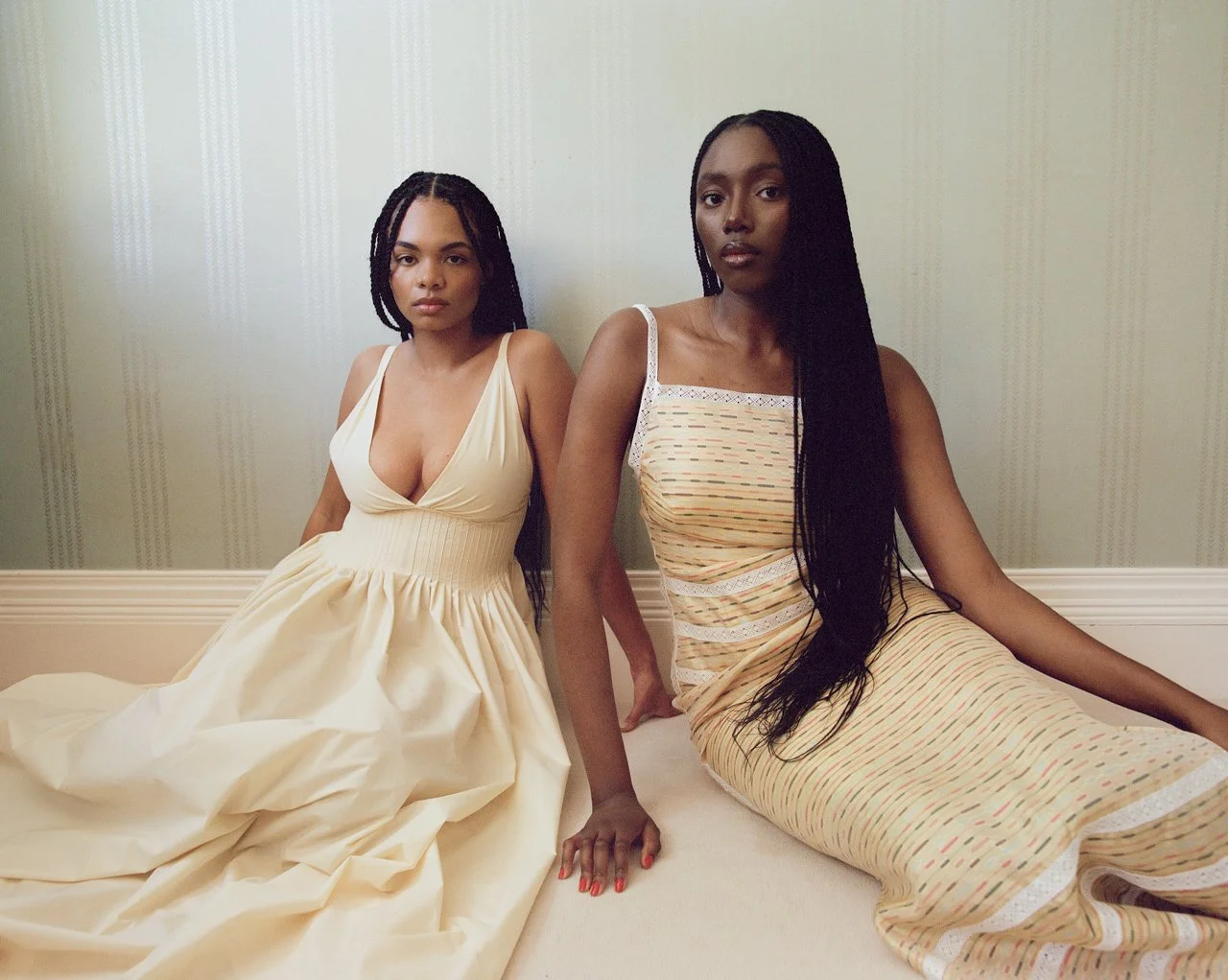
The concept of "future-vintage" suggests creating something destined to be cherished long after its moment has passed. How did this philosophy first take root in your mind, and how does it challenge the traditional rhythm of fashion seasons?
I’ve never been especially interested in doing things the established way. Future-vintage began as a creative challenge — to myself as a designer, and to myself as someone trying to build a business — in an industry that is, at its core, about uniqueness. No house has a monopoly on taste, and what feels desirable today rarely survives the season. So the only durable constant, in my mind, became the discipline of making something genuinely new each time, rather than leaning on a hero piece or a signature silhouette. I wanted AMAYI to be defined by a raison d’être rather than a set of house codes.
That changes the rhythm entirely. I’m not designing to a merchandising calendar; I’m designing because I have a conviction that a particular piece needs to exist — because it’s additive. When I think about why there is such a fervent return to vintage right now, I suspect it has little to do with nostalgia and everything to do with fatigue: with the trend cycle, with the quiet pressure to aesthetically assimilate. Wearing something singular announces something about a person. The limited edition is built to protect that — to let a woman define herself outside the logic of consumption. And there’s no way around it: knowing a thing is rare makes it precious. I want AMAYI’s patrons to feel that, always.
You've described AMAYI as a house built on continuity without repetition. In a world obsessed with the new, what is it about preserving proportions and techniques while letting individual garments remain singular that feels so essential to you?
Early in the ideation process I spent a great deal of time with museum objects, thinking about how we decide what is worth keeping. The pieces that held me were never the most ornate ones. They were the ones that said something true about how people lived at the moment of their making — at the moment they were actually used.
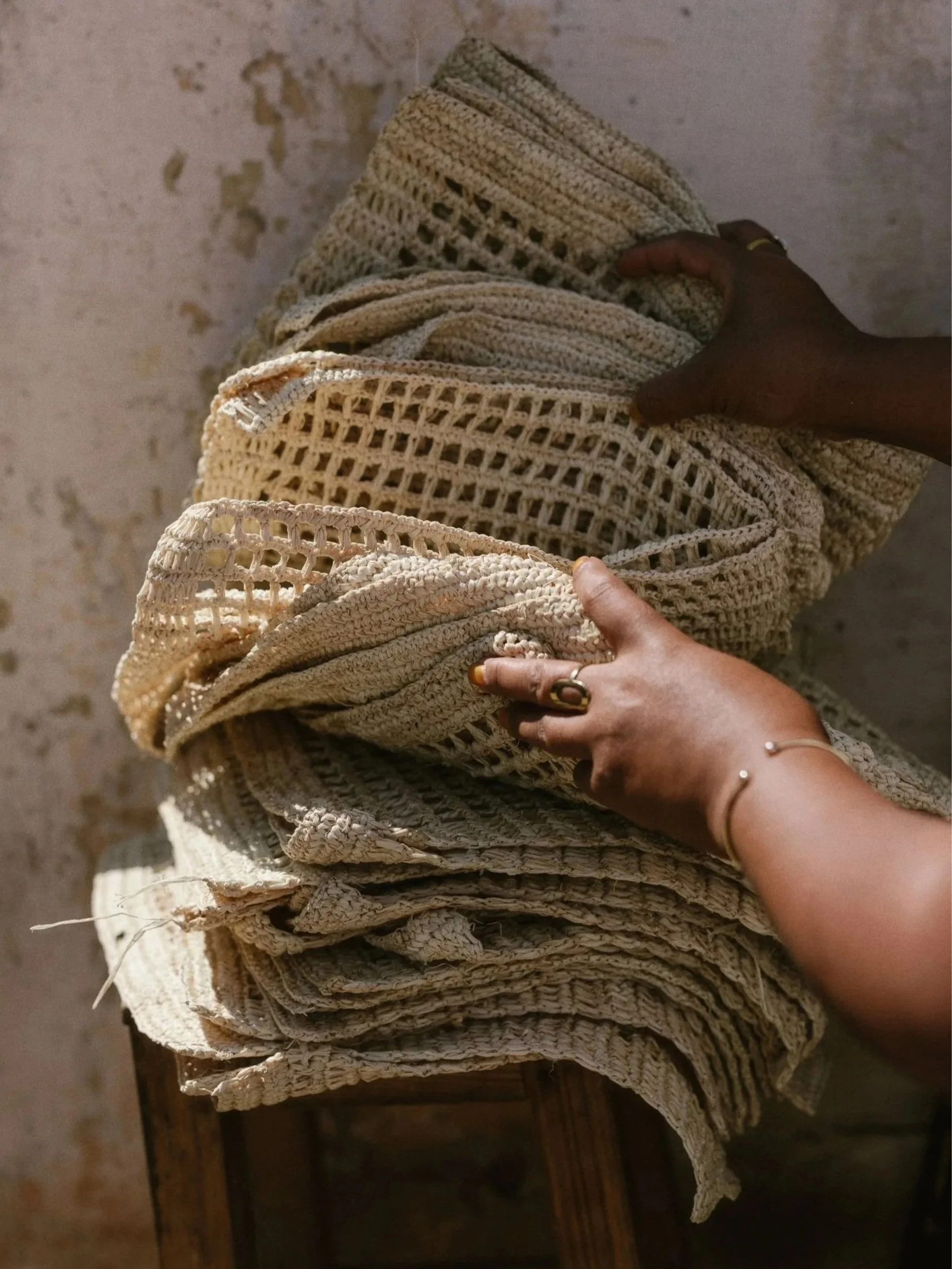
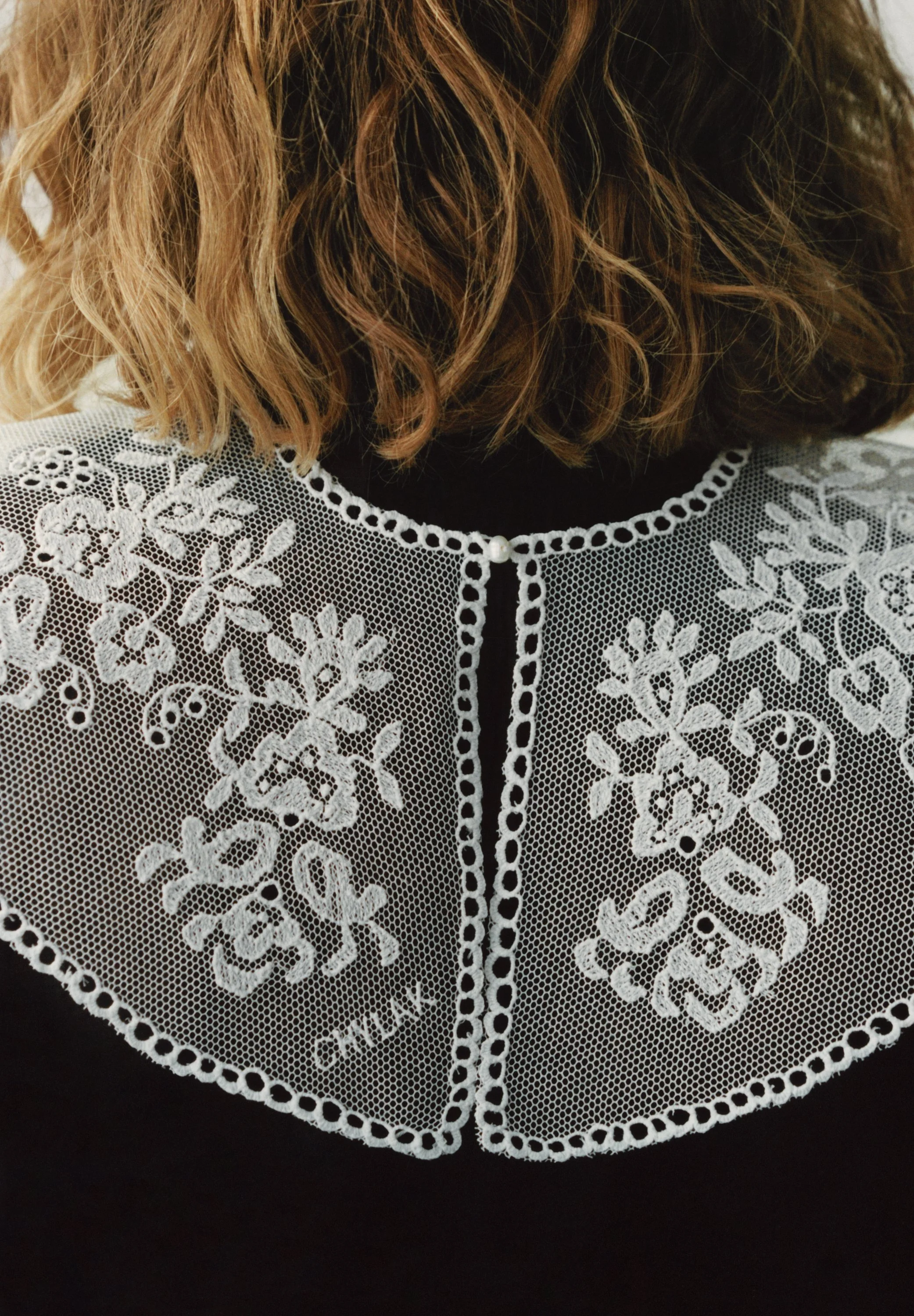
That is what I’m reaching for. Each AMAYI garment is meant to be a record of intention: whether that’s in the hand-drawing of a print or the design of an embroidery motif, the work is to honour.
What the piece is saying — through technique, through form, through material. There’s nothing wrong with newness; I’m not romantic about the past for its own sake. What moves me is a return to meditative making. These aren’t conveyor-belt garments. They’re emblematic of a kind of cultural resonance, an addiction to detail, a precision. Continuity, for me, lives in those methods and proportions — the grammar of the house. Singularity lives in each sentence I write with it.
READ FULL INTERVIEW ON SUBSTACK
YOU MIGHT ALSO LIKE
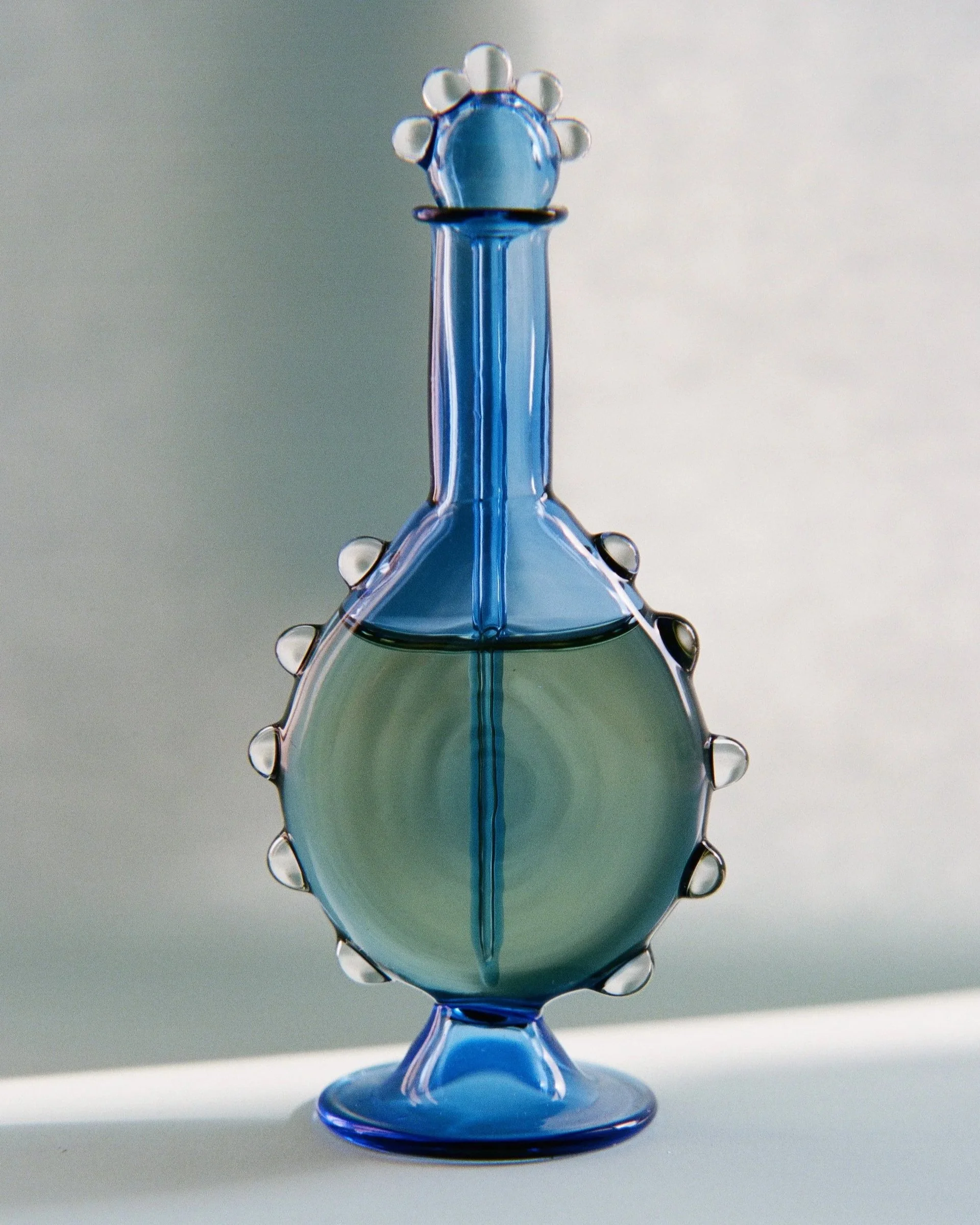
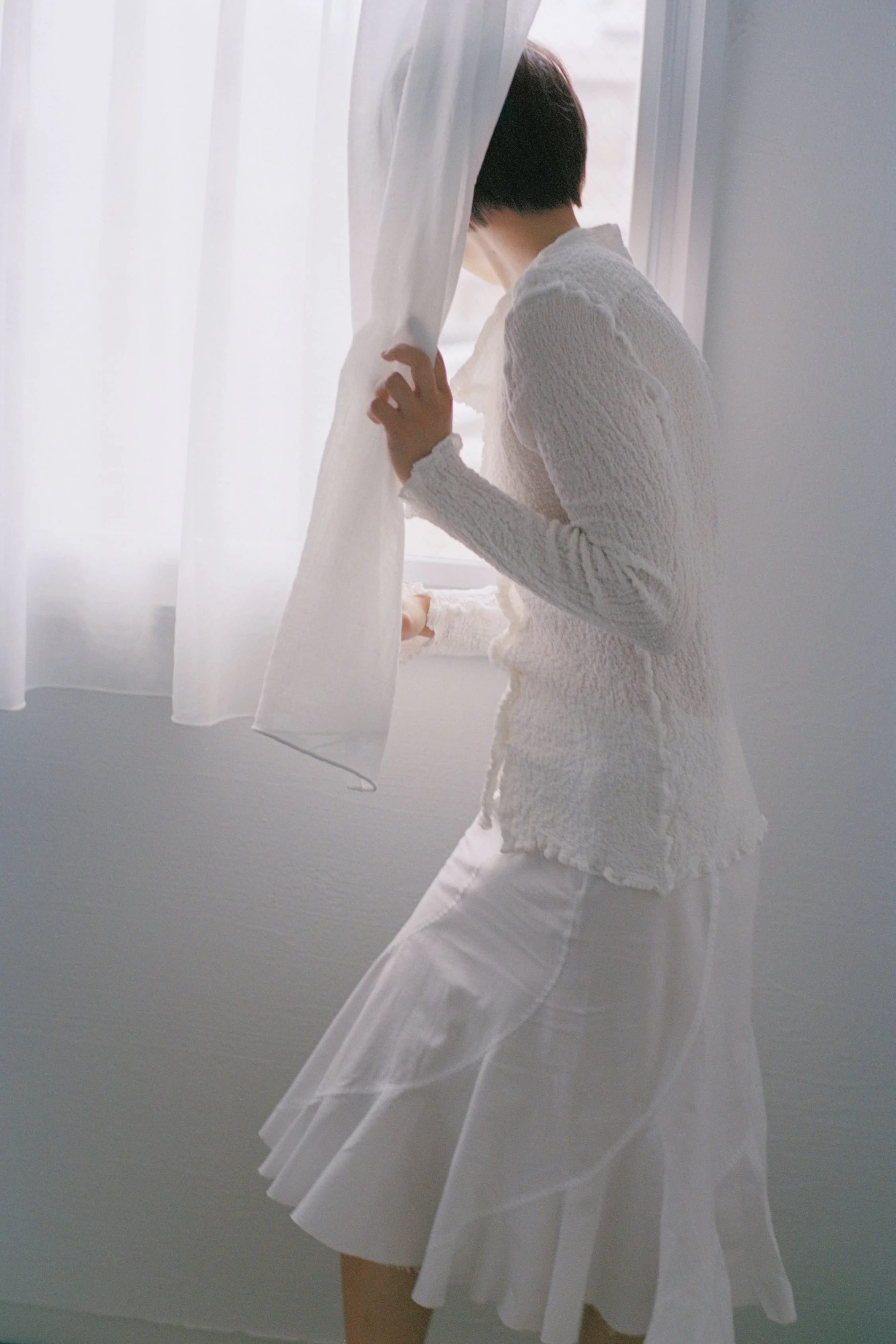
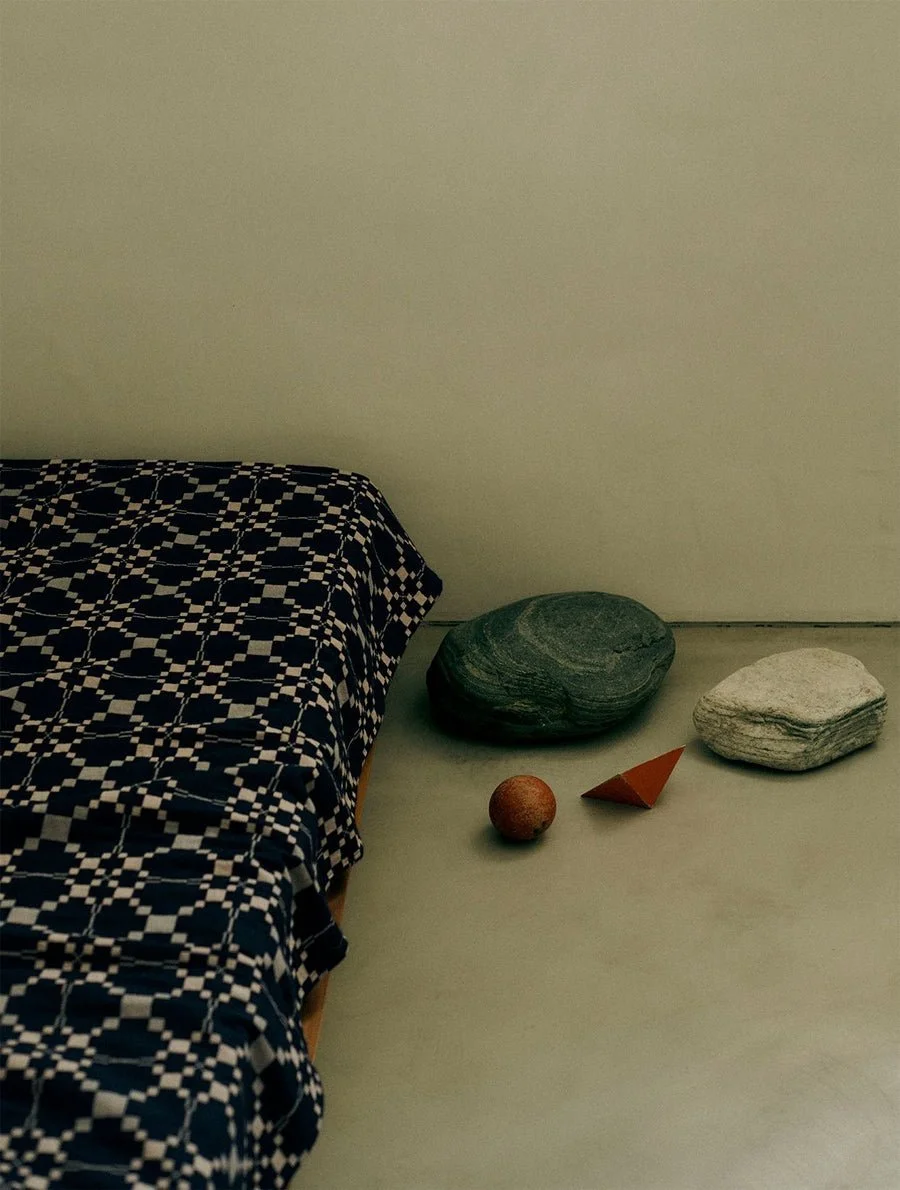

The first of our One | At Home Series, photographer Vanessa Granda opens the doors to her peaceful home, sharing how she built a space around comfort, intention, and the art of slowing down.