
VEJA x Baserange
We spoke with Virgo Coop in Toulouse, France to uncover how their revival of French organic hemp, grown and woven with deep ties to local heritage, became the quiet foundation of a sneaker that doesn’t just walk, but breathes.
Interview NICOLE GAVRILLES
“The history of VEJA and Baserange is a personal one,” Sébastien Kopp reflects, tracing the thread back to the early 2000s when he first met Blandine at the Rendez-Vous trade show just as VEJA was launching. Blandine recalls that moment vividly: “He came to our office asking if we’d sell his very first pairs of VEJA. That’s how our friendship began.” That initial handshake evolved into a decades-long dialogue; when Kopp later opened the concept store Centre Commercial, Baserange was among the first brands invited to join a curated selection defined by ethical production in Portugal and organic raw materials. “Baserange has grown into one of the most interesting and edgy brands for women, offering a true perspective,” Kopp notes, emphasizing that their shared ethos made this union inevitable. “After this journey together, it felt completely natural to create a special sneaker,” Blandine agrees. “It was very natural, as we're two brands that share the same values.” What followed wasn’t just a retail relationship — it was the slow, steady growth of a friendship, built across shared values and mutual respect for materials that matter.
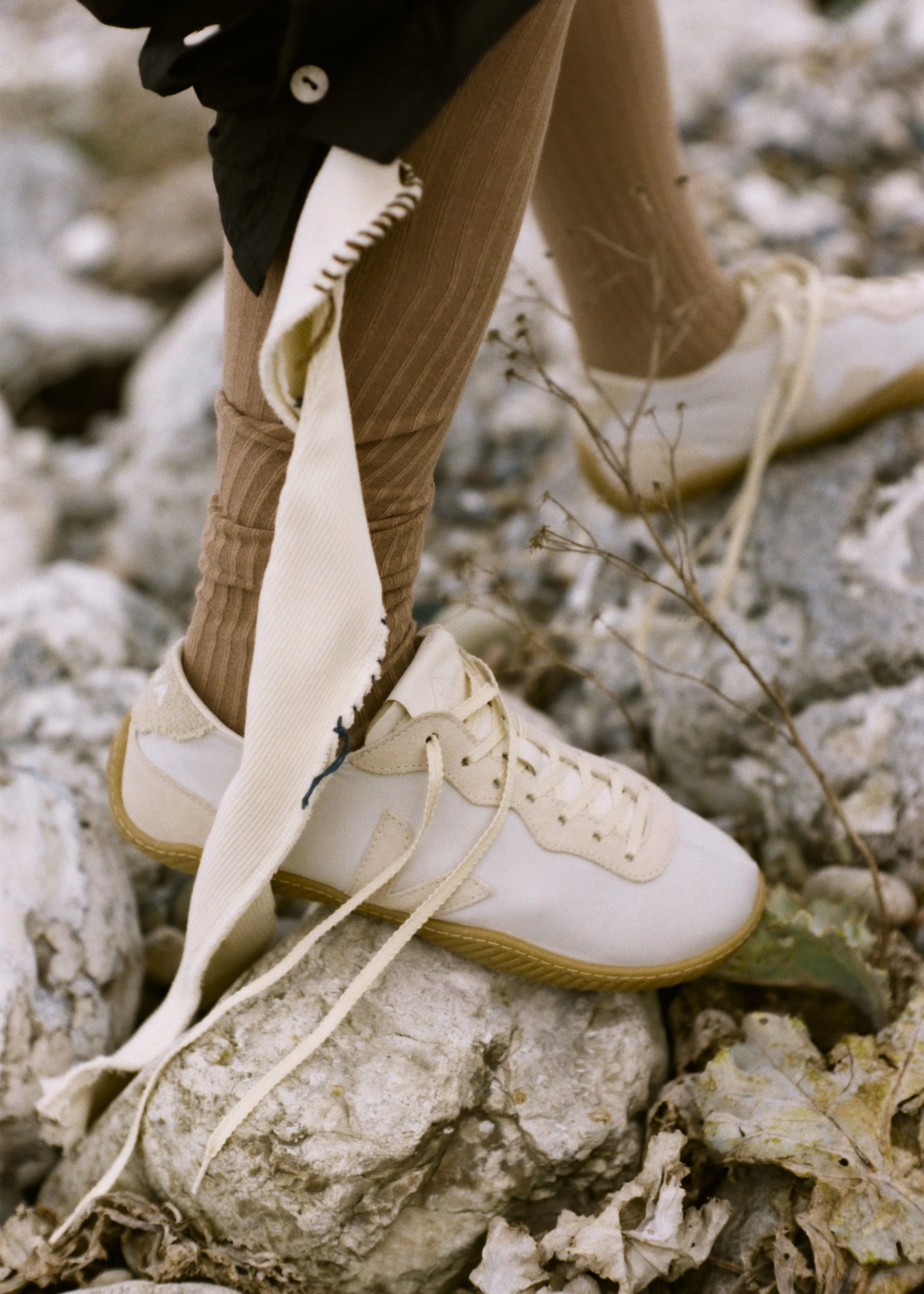
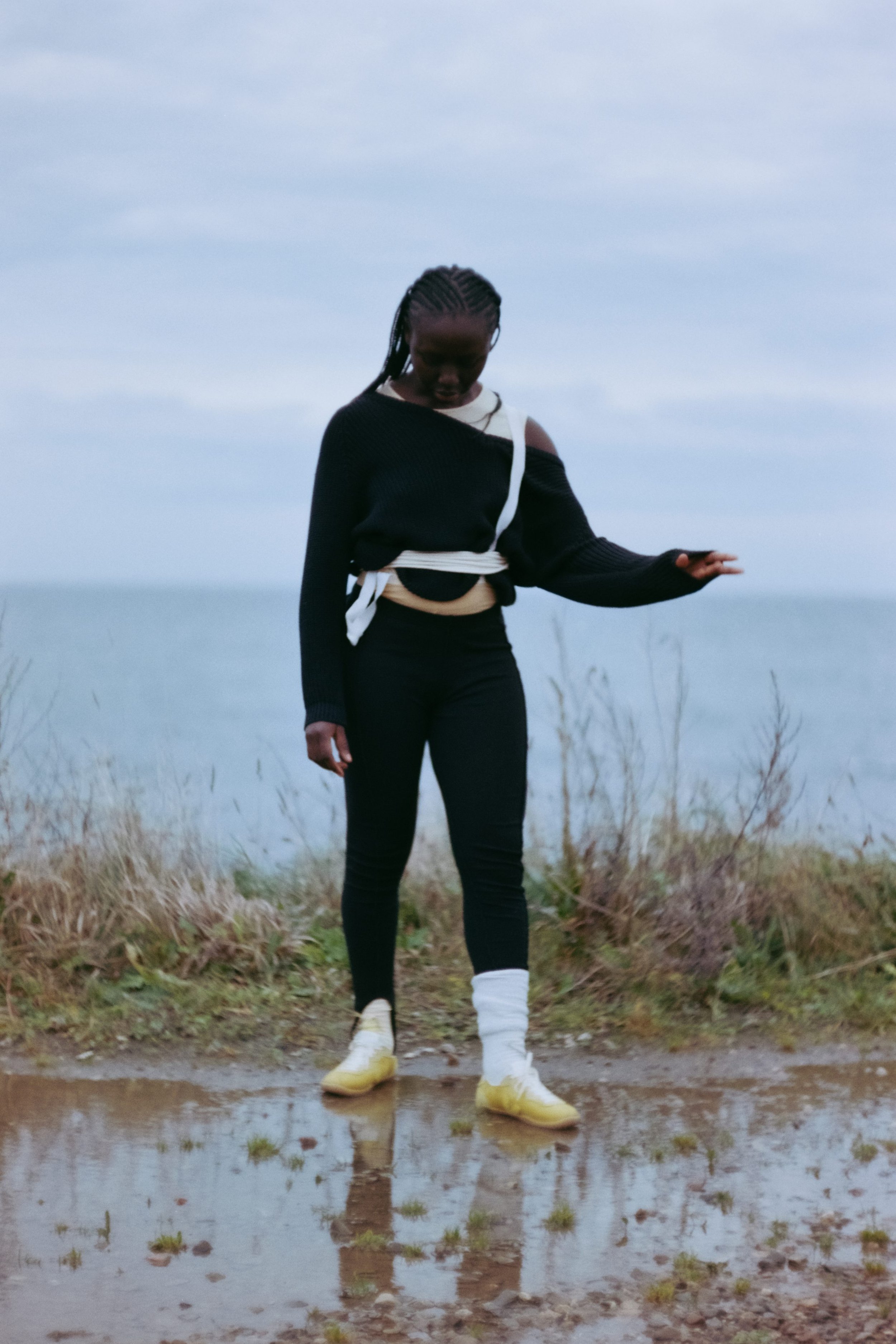
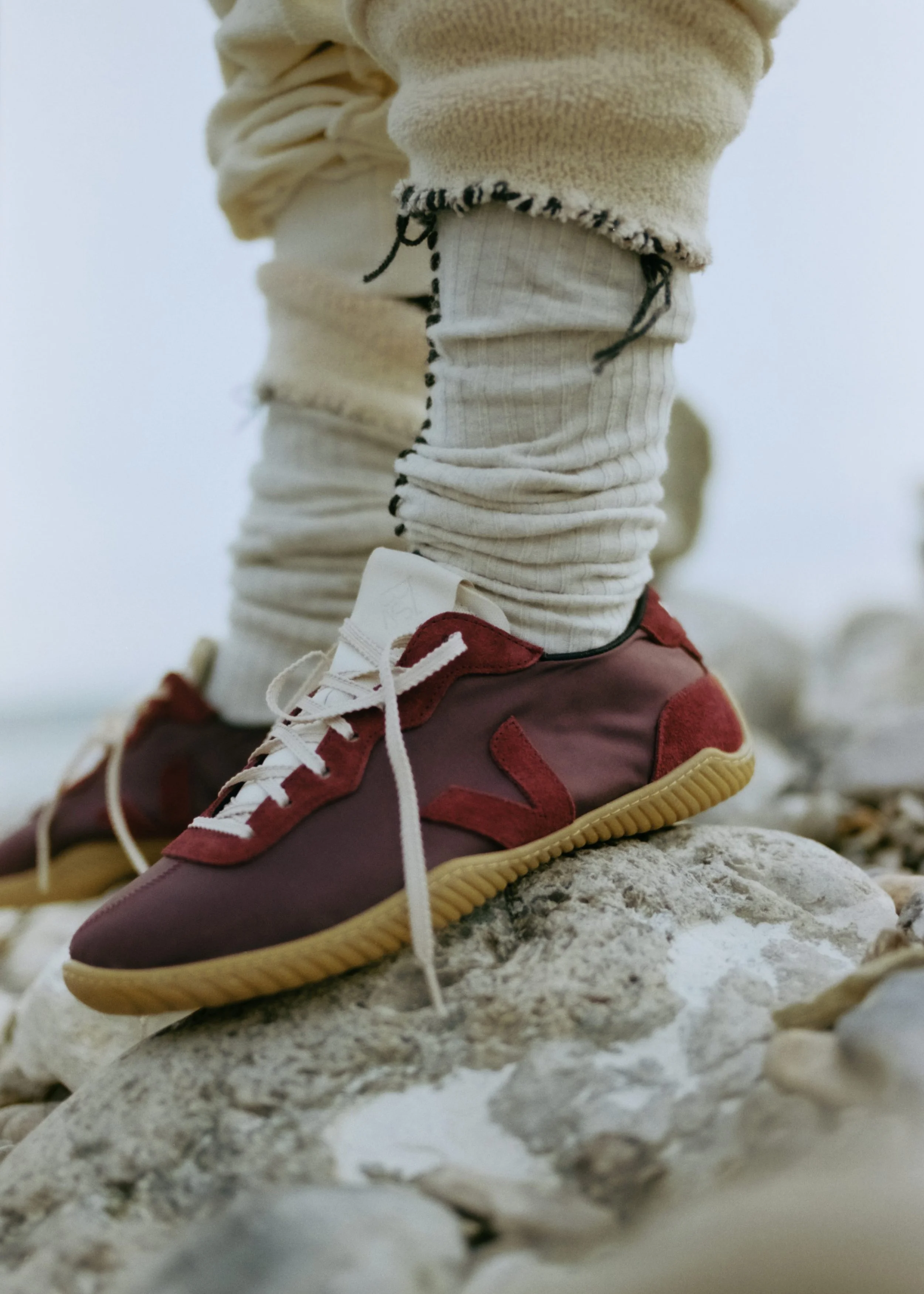
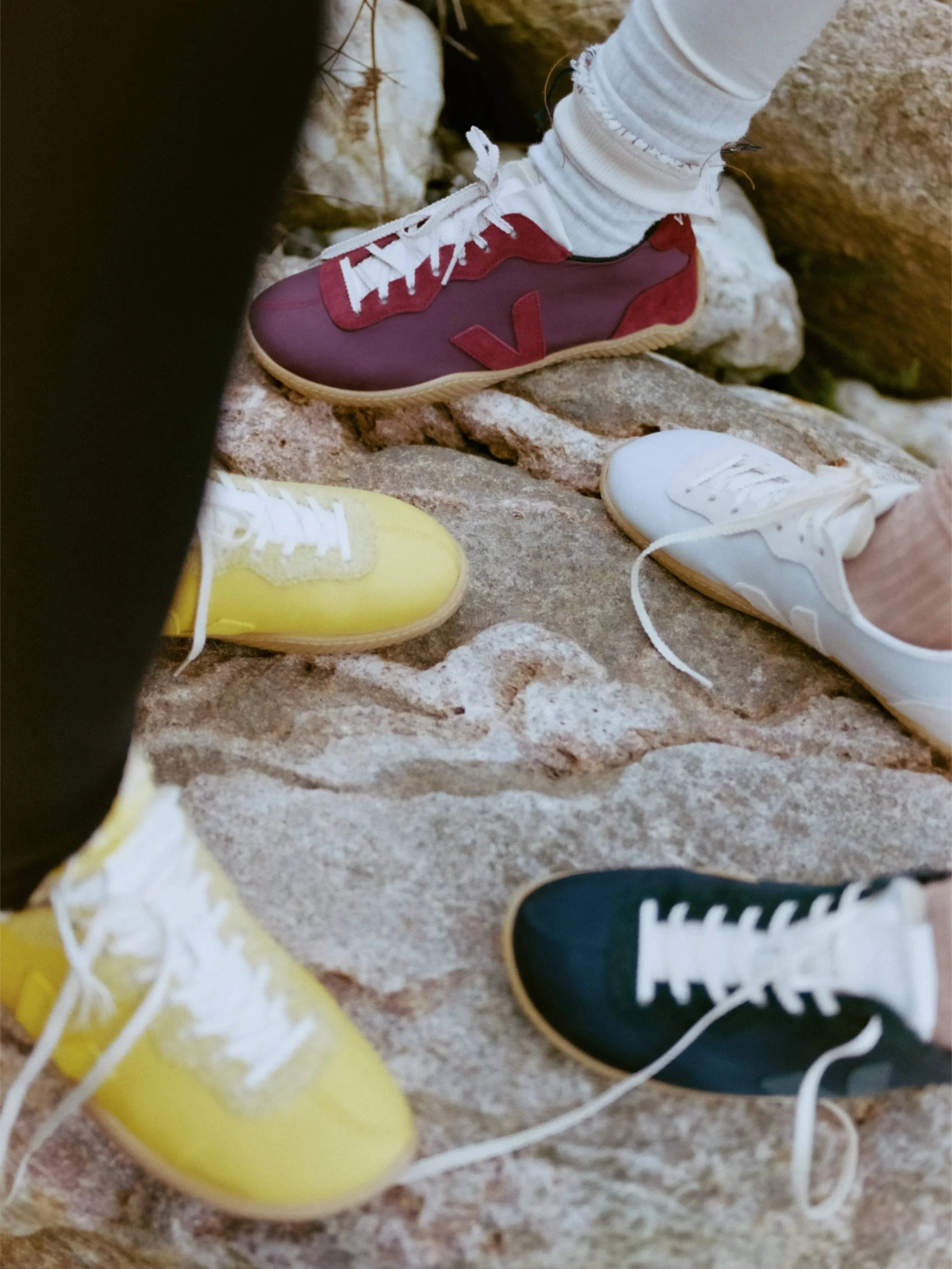
Fast-forward to now. Baserange and VEJA have co-created something that doesn’t just sit between categories, it dissolves them. A sneaker shaped by the logic of underwear: soft, grounded, intuitive. The “NoSole,” developed in Portugal, is thin, flexible, almost invisible and it’s designed not to lift you off the ground, but to remind you you’re still on it. “It helps you feel grounded,” Blandine says, a line that could just as easily describe Baserange’s entire ethos.
The upper is stitched from Mesclat, a fabric spun by Virgo Coop in Toulouse where their hemp and wool are grown locally, woven with intention. No synthetic shortcuts. No imported fibers. Just French soil, French sheep, French hands. The result is a shoe that transcends craft: four iridescent shades, exposed seams, a foam tongue that hugs without constriction. It’s not performance wear. It’s presence-wear.
There’s no grand launch event. No influencer campaign. Just an alignment between two brands that have spent decades listening to the land, the body, and the slow rhythm of making things right. This isn’t a collab. It’s a conversation. And it’s been twenty years in the making.
To understand this sneaker, we follow the thread to Toulouse, France — where Virgo Coop is reviving organic hemp farming as both ecological act and cultural reclamation. Their work mirrors Baserange and VEJA’s values: land, labor, and slow, intentional making. In this interview, we speak with Virgo Coop about how their hemp is grown, harvested, and woven locally, became the pioneers for an ecological transition of the textile industry.
What inspired Virgo Coop to revive organic hemp farming in the Toulouse region, and how does this align with your cooperative’s values?
Our values are based on cooperation, ecology, social, regenerative and circular economy. As a "low-profit" organisation, Virgocoop contributes to build a different textile economy, as far as the "conventional" textile industry is based on petrol, capital concentration and social exploitation.
From the local history, we understood that hemp was largely cultivated here, for textile and technical uses. Numbers of cultivated plots are still called "Cenevière", "Canabal", Canaval" ("Can" is the latin origin of Cannabis sativa, the plant (without THC of course).
So, developing a textile sector with hemp (and wool), means a lot for us : It's the "revenge" of an old textile world, sober, efficient, sustainable, rooted in a history of subsistence farming. Modernized, contemporary, and becoming the "new" textile world, ecological and full of sense.
From a small experience, started in 2018, on a small surface of 1ha, we are working now with around 100 farmers, and most of them (nearly 80%) are organic farmers.
Can you describe the process of growing and harvesting the hemp used in the VEJA x Baserange collaboration sneaker?
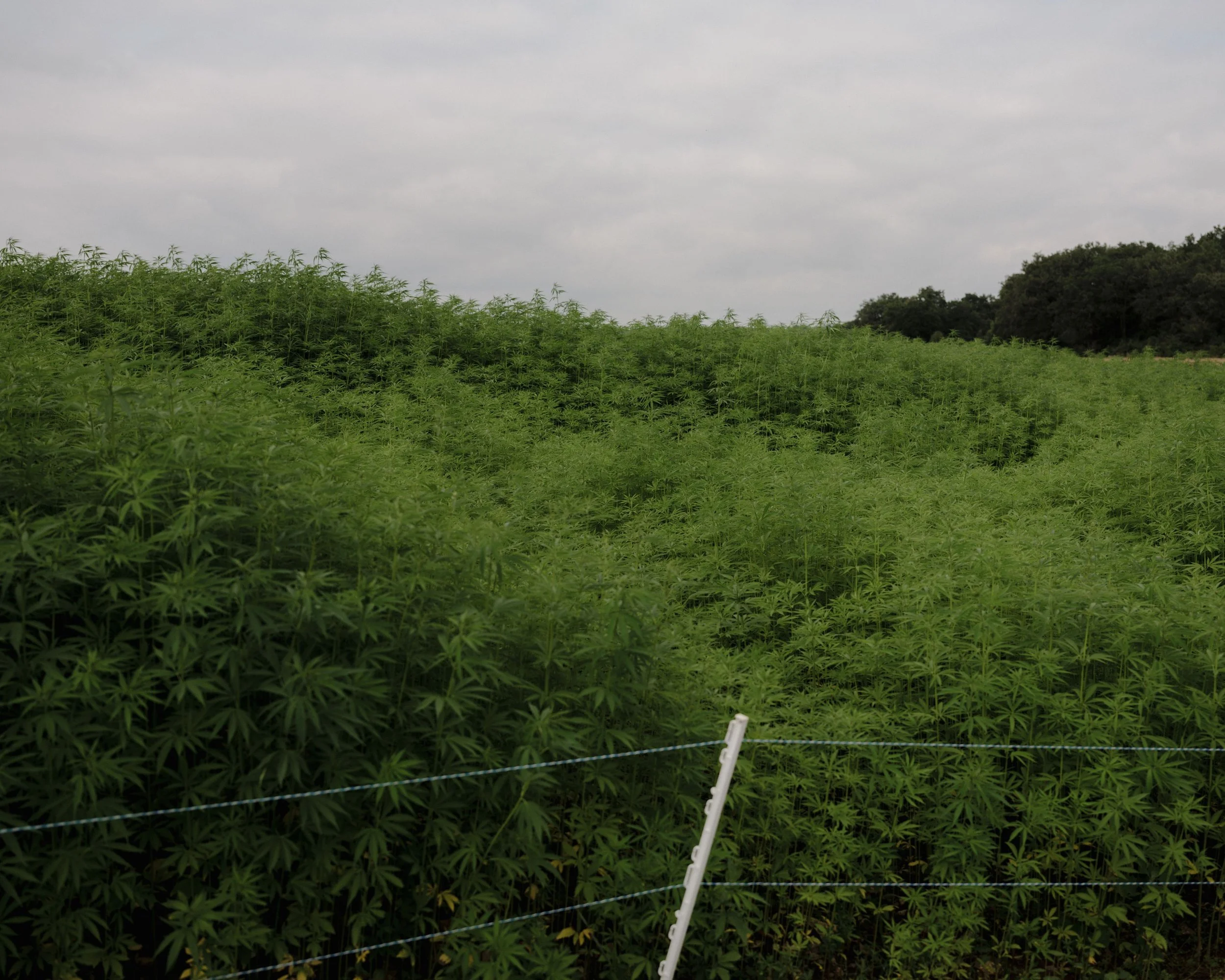
The cultivated hemp varieties are specially selected for their textile quality. The partner farmer cultivates hemp as a crop, which will be used in a long rotation (5 years). Hemp helps prepare the soil for the food crops that follow: it structures the soil for better water and mineral absorption, and promotes the development of soil microorganisms.
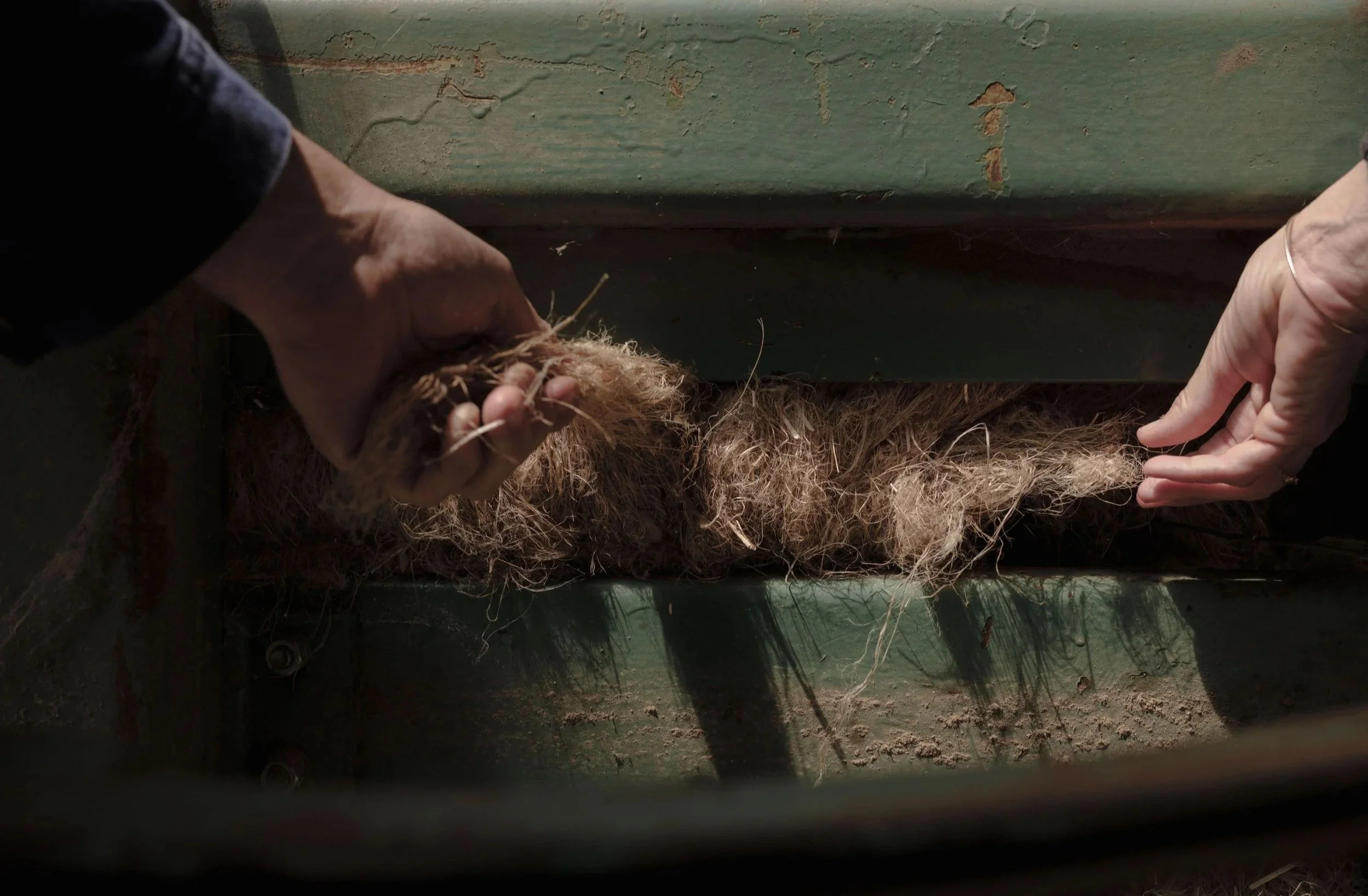
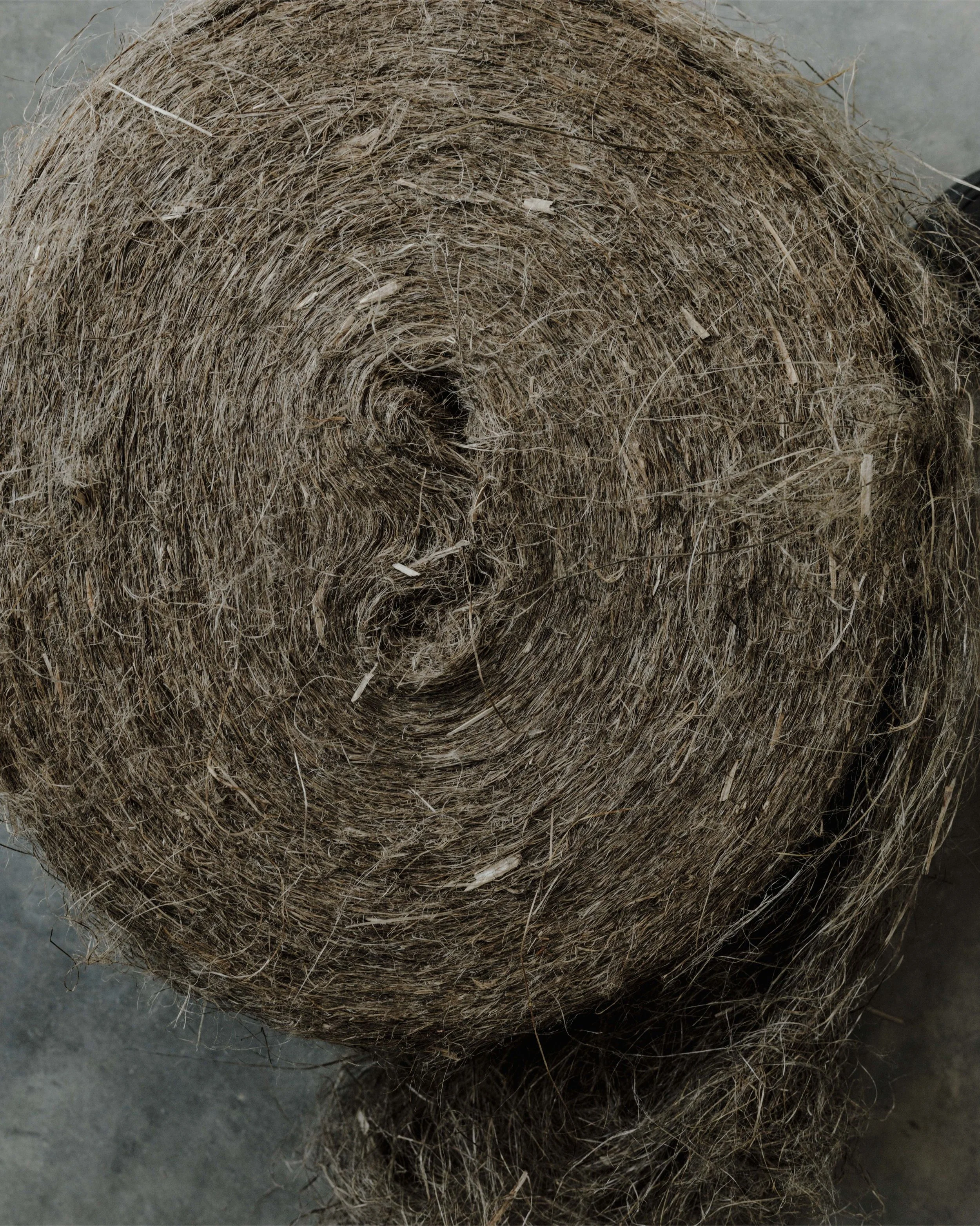
Growing hemp is relatively simple: sown in April, it grows without water or pesticides – sometimes with a little nitrogen fertilizer (natural). Its long stalks (up to 3-4 meters if the soil is good) are cut in mid-august and left on the ground, where microorganisms naturally decompose the bark. After leaving it on the ground for three weeks and turning it over, the farmer checks that the straw has turned gray (a process known as retting). Once the desired color and texture are achieved, the farmer produces round bales, which are then transported to our decortication plant in the following months.
What makes it unique compared to conventional hemp?
Our approach stems from organic farming practices, on farms that use hemp as an agronomic input. This allows crops to benefit from a positive soil structure and reduces weed growth (thanks to hemp's dense ground cover). We do not cultivate hemp on large areas, in order to preserve the local agricultural landscape.
The hemp used in this collaboration is blended naturally—and by hand—with sheep's wool collected nearby. This wool is usually discarded or burned, as it is considered non-textile. We have succeeded in making it suitable for textiles and blending it intimately with our hemp fibers. This has resulted in a yarn called "Mesclat" (meaning "mixture" in Occitan). The fabric takes its name from this yarn.
The hemp textile fibers we produce are very special, as they are usually little or not used to make yarn, in a high-level blend with wool (55% wool, 45% hemp). We have nevertheless succeeded in producing it, and making it as pleasant as possible, very soft and resistant.
“The idea of creating natural, minimalist shapes for the foot aligned with our approach to underwear. The thin sole concept helps you feel grounded, which resonates deeply with Baserange’s philosophy.”
How does working with Baserange and VEJA help elevate the visibility and value of French-grown hemp, especially given its historical decline?
Baserange is an important brand: as a member of Virgocoop, it supports the development and production of natural fibers through its investment and support of our cooperative. We have a long history of collaboration on natural fibers and eco-friendly fabrics.
VEJA is a French sneaker brand we've dreamed of working with for a long time, given its strong aesthetic, ecological, and social values. The Mesclat project has brought our three organizations together, and we are so happy about it: this connection reflects our commitment to sustainable and ecological agriculture, cooperation, and solidarity with farmers, processors, and consumers—things that Virgocoop strives for every day.
The hemp and wool used in this collaboration allow us to provide very tangible feedback to farmers and livestock breeders, who now see the value in producing and developing these natural fibers. It's a true renaissance.
We love the elevation of how this sneaker uses “Mesclat,” a hybrid fabric blending hemp and Lacaune wool.. How did your collaboration with wool producers in the Lot Valley come about?
Thank you. Mesclat is made from a blend of Lacaune wool, collected in Lozère, on the Causse de Méjean and Sauveterre plateaus. Amidst these beautiful landscapes, the sheep are raised in open pastures.
Wool is usually considered waste...and a cost! Farmers have to pay for shearing and the removal of the raw materials.
Alerted by our partner members (Atelier Tuffery, for example), we decided to address this issue. Virgocoop has therefore set up a collection system to recover, sort, and wash this wool, making it as textile-friendly as possible. And it's working: today, we collect nearly 15 tons of wool per year. It's still a drop in the ocean, but the collection is growing—and the collaboration with Baserange and VEJA will undoubtedly allow us to strengthen it!
What challenges did you face in scaling sustainable hemp production to meet the demands of global fashion brands you work with?
We had to invent low-cost production processes with industrial-scale production capacity. This takes time, energy...and a lot of money! Our cooperative has been able to raise funds, but we still need long-term investments within our cooperative.
It was also necessary to design and produce yarns and fabrics that met the quality and price standards of fashion brands, as well as the desirability of the designs for consumers. A long road indeed!
“This connection reflects our commitment to sustainable and ecological agriculture, cooperation, and solidarity with farmers, processors, and consumers—things that Virgocoop strives for every day.”
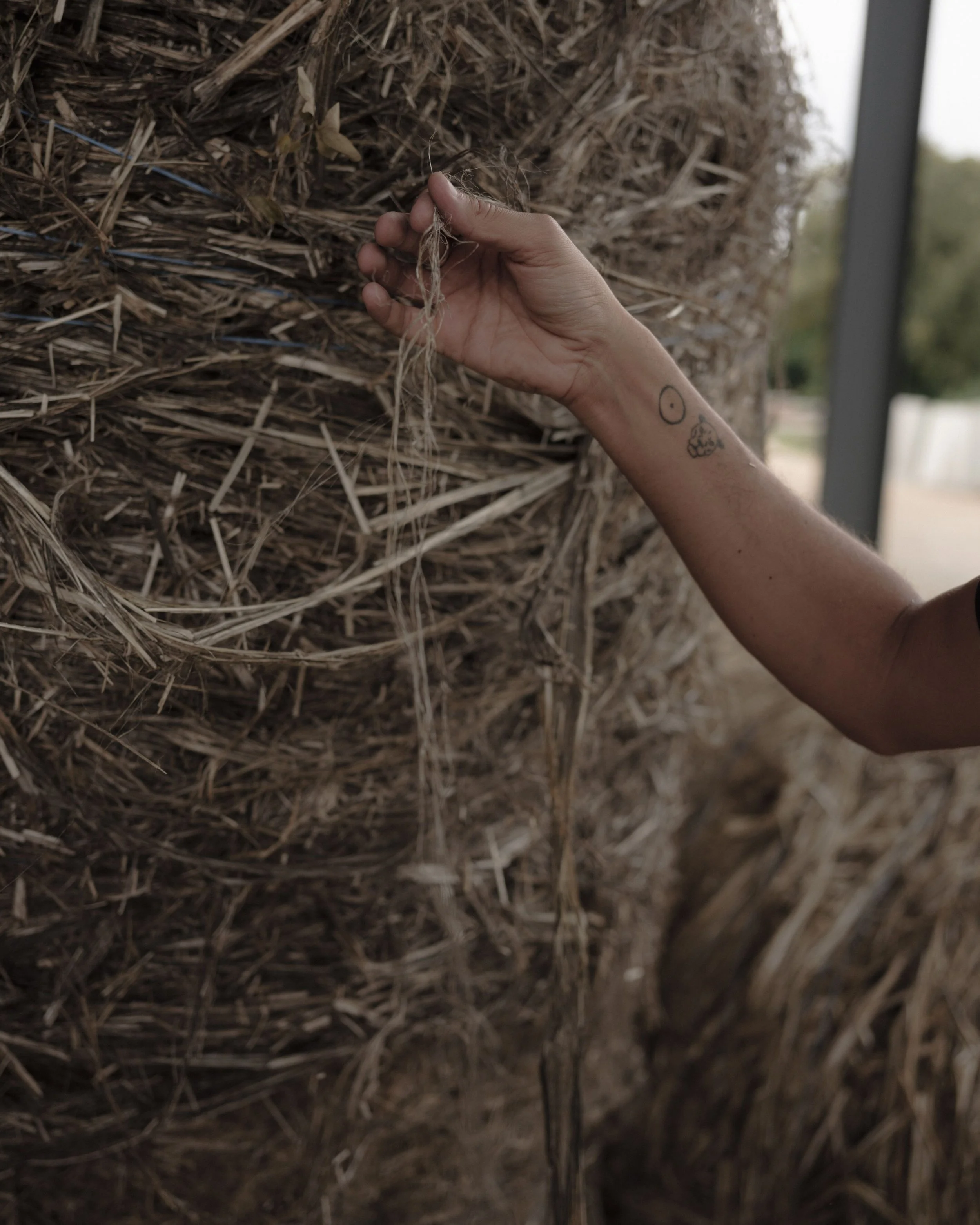
Natural hemp from Virgo Coop
How does this project reflect your vision of “bridging innovation and heritage” in textile making?
Well, our limited-profit, collective-interest cooperative, focused on the development of natural fibers, fabrics, and creations, is in itself an "unique entity"; moreover, we are committed to promoting important social and environmental standards. In this, we are responding to the conventional textile industry, which is highly capitalist, ultra-globalized, and often very anti-social.
What message do you hope consumers take away when they wear a sneaker made with your hemp?
We hope that these sneakers, made with our hemp and wool, illustrate the progress of our project, which daily produces effects, consequences, and new opportunities, leading towards a more united, desirable, and ecological world. The consumers who will wear these sneakers are the agents of change in our world!
Are there plans to expand this model to other crops or collaborations with other brands in the future?
Of course! We work with all brands that want to commit to innovative creations with a strong social and environmental impact. We are currently working on research and development with other fibers, such as nettle and broom.
“This has nothing to do with “luxury,” but rather with our essential needs: if we want a better world, where we can be safe, both from a climate and social perspective, there is no other solution than to increasingly use natural, plastic-free fibers!”
How does Virgo Coop ensure the environmental and social ethics of your hemp farming, from soil health to fair labor. And how is this communicated to partner brands like Baserange and VEJA?
We implemented GOTS certification for our fibers in past years. This standard guarantees the highest social and environmental standards. We are also certified, in France, as an Socially responsible and solidarity-based enterprise (ESUS).
Over 80% of our supplies come from organic farming, for both hemp and wool.
Our factories are powered by 100% renewable electricity, and we produce more energy than we consume.
Brands like Baserange and VEJA seek close cooperation with their partners to contribute to a positive vision of the economy. Thanks to Virgocoop's ecosystem supply chain, brands can now flourish through an infinite number of creations, while being assured of minimizing their environmental footprint, preserving quality of working life with high social standards, and having a value chain that respects all stakeholders. Designers are freed from constraints, and the sneakers presented today through the collaboration between VEJA and Baserange clearly demonstrate this!
What role does local craftsmanship, particularly in the Lot Valley and Toulouse, play in preserving not just materials, but regional identity through this sneaker?
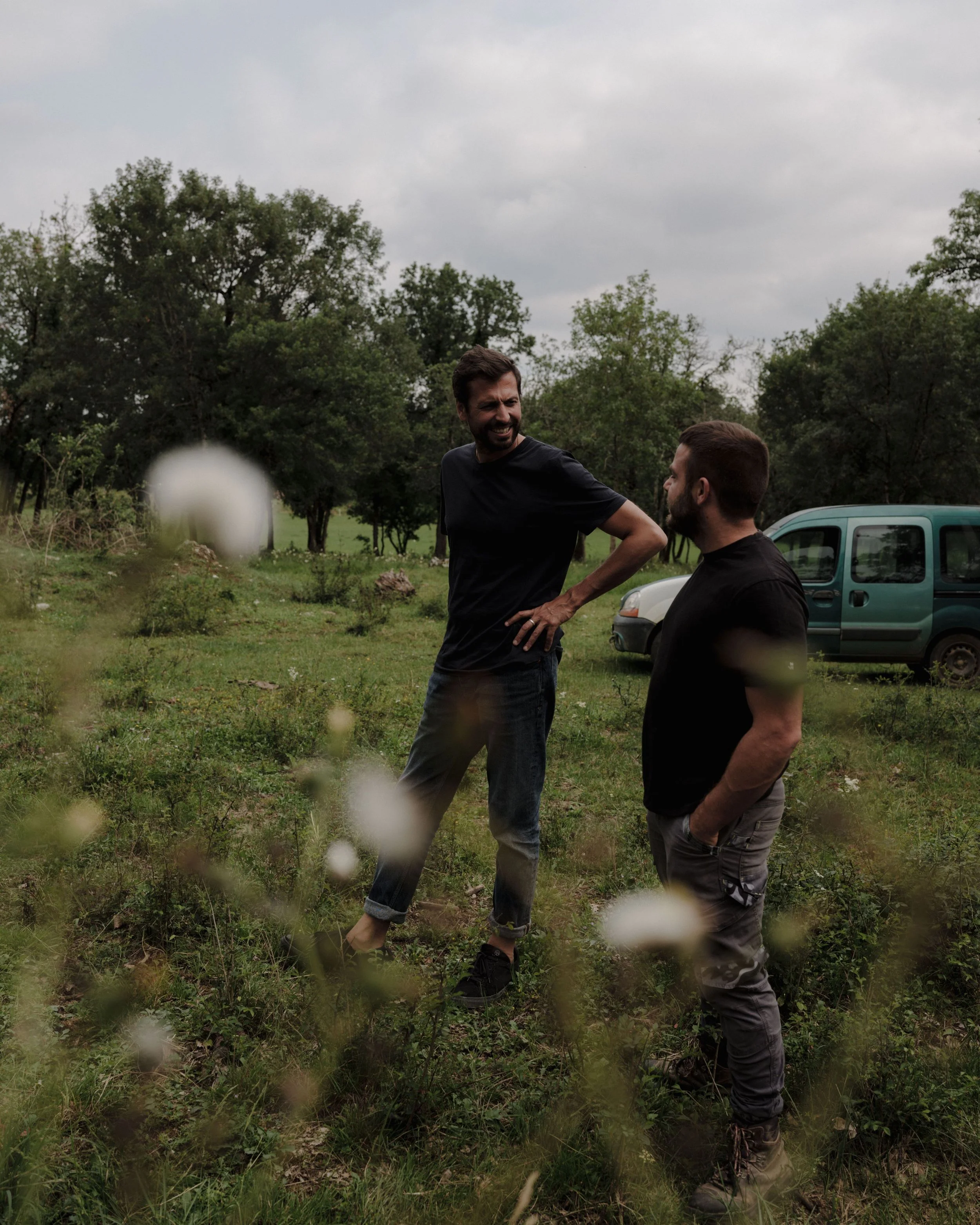
Our small weaving mill operates thanks to the expertise of several of our employees. The opening of our mill in 2021, "Tissages d'Autan," has allowed us to preserve skills and tools that were destined to disappear. We work on old looms, capable of weaving natural fibers like hemp, which is quite unique. The name of our small mill, "Tissages d'Autan", also reflects the origins of our region ("Autan" is the name of a local wind, which makes people crazy - according to the legend - being outside while it is blowing, quite frequently, is impressive), historically dedicated to conventional textiles. We established ourselves here, proudly asserting our roots, but also our vision of a new textile world.
Why should consumers see natural materials like these not as ‘luxury’ but as essential investments in durability, soil health, and climate-resilient supply chains?
The fashion world no longer needs petrochemical fibers, plastic derived from fossil fuels, or social exploitation. This has nothing to do with "luxury," but rather with our essential needs: if we want a better world, where we can be safe, both from a climate and social perspective, there is no other solution than to increasingly use natural, plastic-free fibers!
Furthermore, natural fibers are renewable and becoming increasingly affordable. Price signals are favorable. It is up to companies like Baserange, Veja, and many others to increasingly utilize natural and sustainable materials in as many stunning and desirable designs as possible, such as the newly unveiled sneakers.
Looking ahead, what is your vision for the future of natural hemp in the fashion industry, and how do you see Virgo Coop’s role in shaping that future?
Hemp isn't the only interesting plant that can produce textile fibers. We've mentioned broom and nettle, for example. Many other possibilities exist (from algae, fungi, etc.).
We believe that blending this type of fiber with wool, for instance, has a real future.
Natural fiber resources are immense, and their diversity is impressive. Therefore, our vision is a textile world based on this type of fiber, with much significantly less cotton and more natural blends. With environmentally friendly processes that meet the highest social standards at every stage of production.
Our vision is of a highly creative and joyful textile world, with no impact on our environment and for the well-being of everyone.
The future is ours!
Since 2005, VEJA has been creating sneakers in a different way, mixing social projects, economic justice, and ecological materials. VEJA uses Brazilian and Peruvian organic cotton for the canvas and laces, Amazonian rubber for the soles, and various innovative materials made from recycled plastic bottles or recycled polyester. VEJA sneakers are produced in high-standard factories in Brazil and Portugal.
For more information about VEJA, visit their website.
Founded in 2012, Baserange creates modern, minimalist clothing with an emphasis on clean lines and easy silhouettes. The designs, the natural and recycled materials are made to withstand time. Since its inception, Baserange is committed to discovering and implementing innovative ways to reduce environmental impact at every stage—from energy use to water consumption to dyes to packaging. The brand works closely and collaboratively with its producers to source and develop quality textiles from both natural fibers and recycled content.
For more information about Baserange, visit their website.
Virgocoop is a French Cooperative Society of Collective Interest founded in 2018 in Occitanie to rebuild local, sustainable textile supply chains. It focuses on processing organic hemp and local wool, operating a decortication plant and weaving workshop (Tissages d'Autan). The co-op prioritizes ecological transition, fair pay for workers, and community-driven investment.
For more information about Virgo Coop, visit their website.
YOU MIGHT ALSO LIKE

We spoke with Kindred Black founders Jennifer and Alice about their timeless world where skincare vessels become art, ingredients tell ancient stories, and new jewelry serves as personal talismans.