
Esha Soni
Shaped by a life spanning Mumbai, New York, and Florence, Esha Soni’s work sits at the intersection of sculpture, function, and slow luxury.
We spoke with Esha Soni about craftsmanship, sustainability, and building a brand that values intention and thoughtful consumption over trends.
Photography VANESSA GRANDA
Set Design CATHERINE PEARSON
Interview EMILY PETRUCCIONE
Introduction NICOLE GAVRILLES
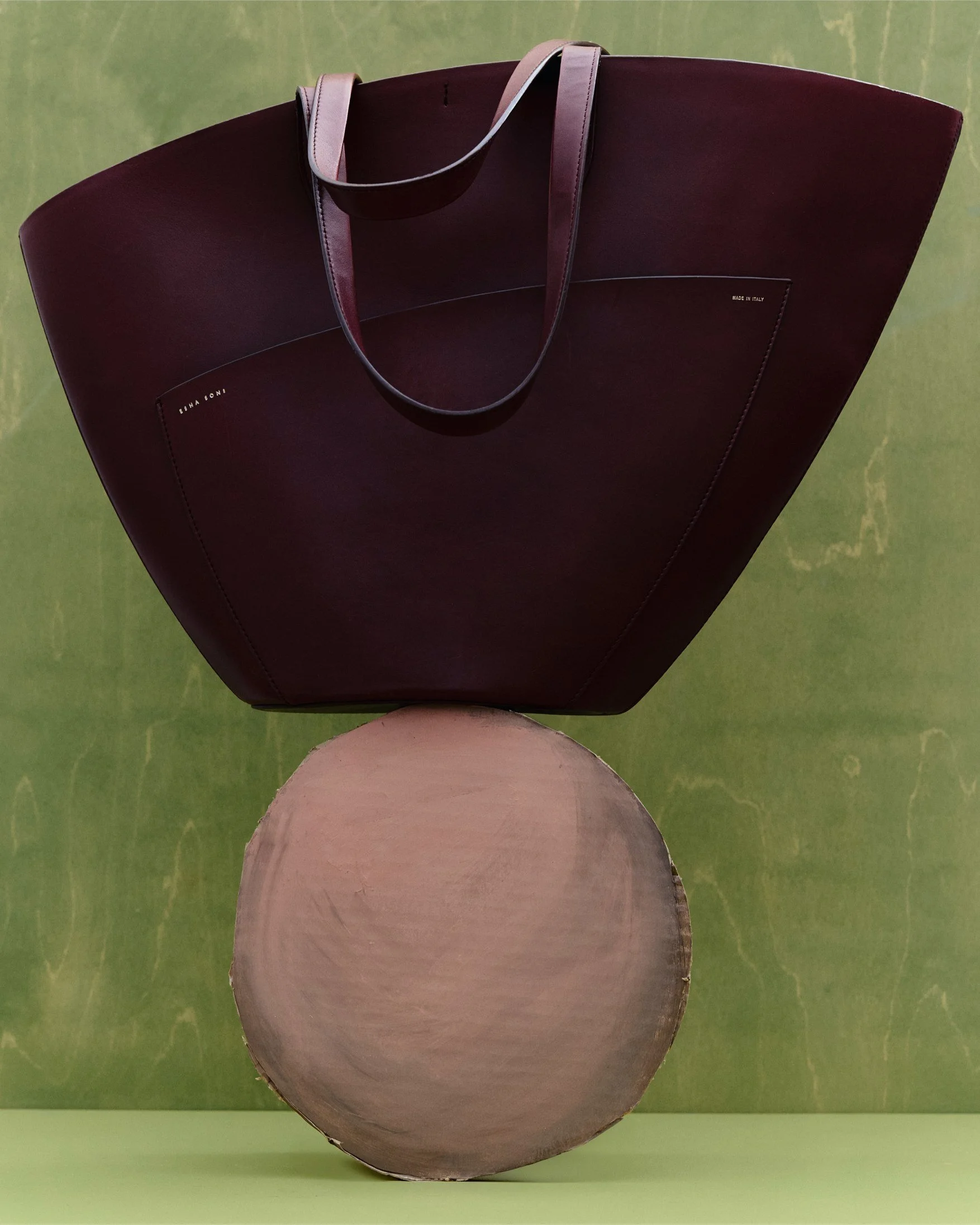
You grew up in Mumbai, studied at FIT in New York, and spent time in Florence. How have these diverse cultural and creative environments shaped your aesthetic and approach to design?
Mumbai gave me a natural appreciation for color, texture, and richness. I’ve always been drawn to pure, sculptural metal forms, and I think that comes from being surrounded by such a vibrant environment growing up. Studying in New York instilled in me a sense of discipline and the importance of functional, intentional design. And Florence is where I fell in love with craftsmanship — with the beauty of patience, and with the idea that building a business, like creating a piece, requires a strong foundation rooted in quality and integrity.
All of these experiences shaped my aesthetic: clean, sculptural lines grounded in functionality, and a commitment to craftsmanship and luxury that feels both global and deeply personal.
What inspired you to start your own brand, and how did your upbringing and early experiences in India influence both your creative path and your brand’s values?
Growing up, I watched my mother- a jewelry designer- build her business with passion, intention, and deep respect for her craft. That environment shaped me early on; it gave me the confidence to trust my point of view and the certainty that I would one day create something of my own. I always knew I wanted my own brand, but I also knew I needed to earn the experience first.
I set out to lead design teams at iconic New York fashion houses so I could learn the industry from the inside out — the discipline, the rigor, the responsibility of building a product with integrity. Those years prepared me for the moment I felt ready to launch my own collection
What drew you specifically to designing bags, and how did you know that was the medium through which you wanted to express your creative vision?
I actually studied Ready-to-Wear at FIT, but looking back, I realize I was always drawn to three-dimensional design. My graduating collection centered around a sculptural denim coat - it was very much about form, structure, and creating something that lived beyond the body. After college, I landed an internship in handbags, and everything clicked. I knew immediately that dimensional pieces were where my creative instincts came alive.
Handbags and jewelry allow me to create objects with permanence - pieces that feel intentional, sculptural, and collectible. It became clear very quickly that this was the medium through which I wanted to express my point of view.
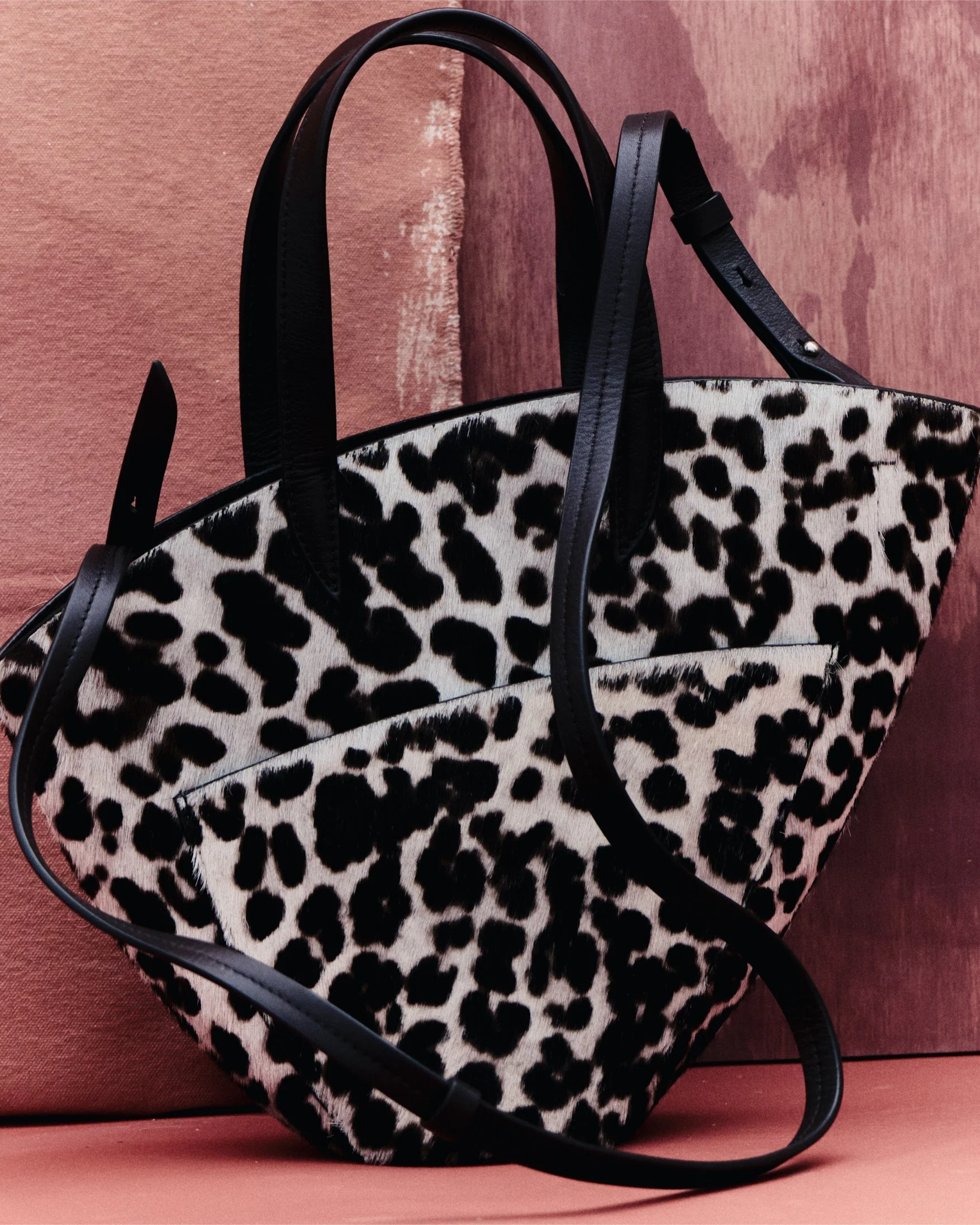
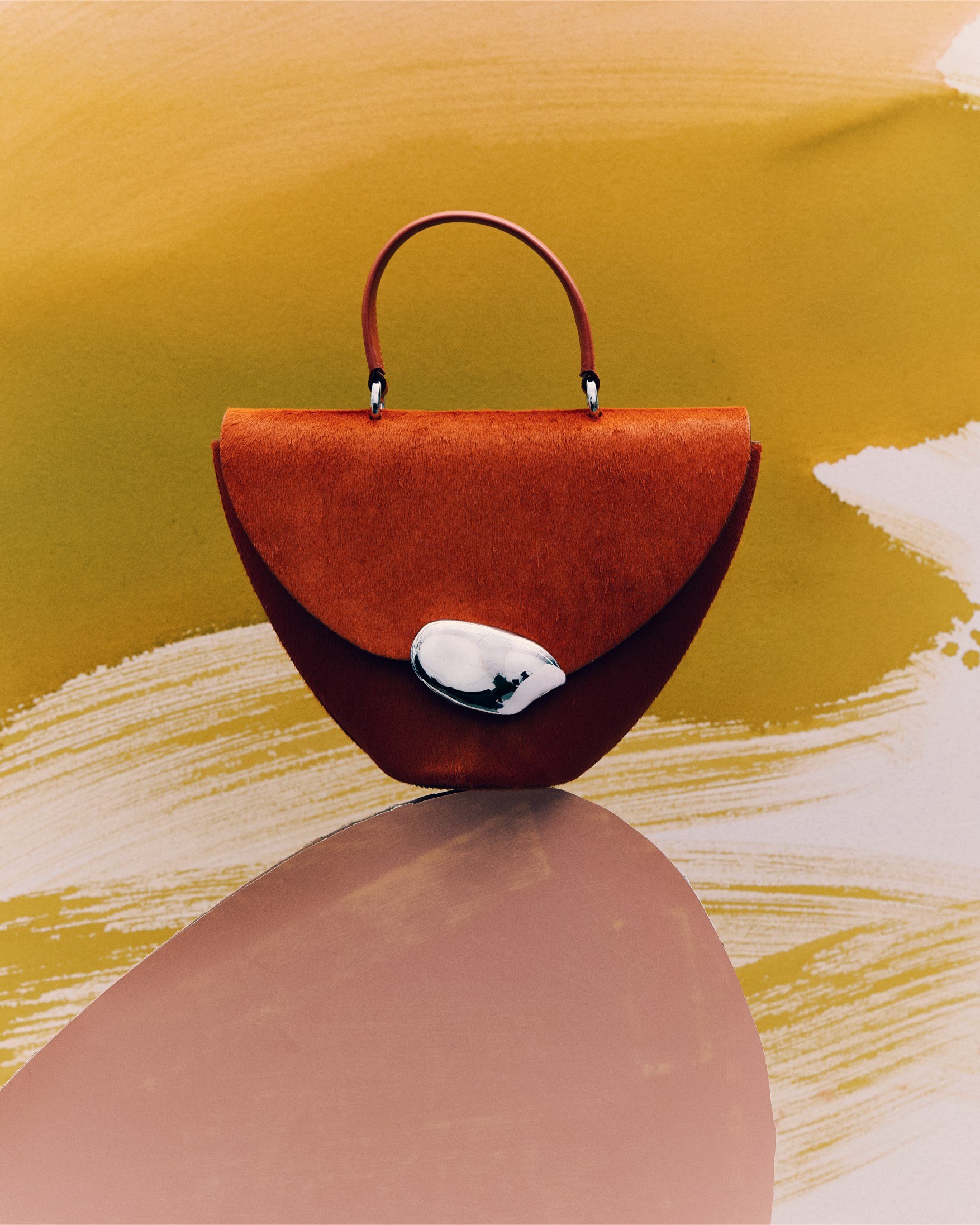
You’ve described your design process as intuitive rather than analytical. Can you walk us through how a piece comes to life, from the first spark to the finished product?
My design process is intuitive rather than analytical-what I mean by that is- I don’t let data dictate my collection or assortment. I start with a feeling, a form, or a movement that draws me in, and I follow that instinct. When I designed the Slope in 2019 (that was the year I started designing and developing my collection)- at the time, asymmetrical handbags were almost nonexistent, but the Slope felt right the moment I drew it.The curve, the sense of movement, the way it slips off the wrist or drapes naturally across the body — all of that came from intuition, not from studying what was in the market. For me, a piece comes to life when that initial spark aligns with how it will live on the body, and I let that guide the entire process.
Your bags are often described as sculptural yet functional. How do you balance form with everyday utility?
As a woman who wears the pieces I design, I’m very intentional about functionality. I’ve always believed that a beautiful form should also be practical. My years designing for global brands really instilled in me the importance of functional design and understanding how a piece moves through someone’s daily life.
I aim to create bags that feel like sculptural objects, but ones that you can reach for every day. That balance of form and utility is essential to me - pieces that look like art, but live comfortably in the real world.
Who or what are your biggest creative influences, and how do they translate into the shapes, materials, and details of your work?
Inspiration for me comes from furniture, sculpture, art, nature, vintage jewelry… a random staircase. I’m particularly drawn to ceramic art and organic, biomorphic shapes. Artists like Valentine Schlegel, Virginie Hucher, and Jules Olitski are always on my mood board, alongside classic metal forms from Jean Arp or collages by Conrad Marca-Relli. I’m inspired by color pairings from Rothko and by the details of vintage jewelry. All of these influences find their way into my work — in the forms, shapes, hardware details, and the way I create color stories.
“I don’t let data dictate my collection or assortment. I start with a feeling, a form, or a movement that draws me in, and I follow that instinct.”
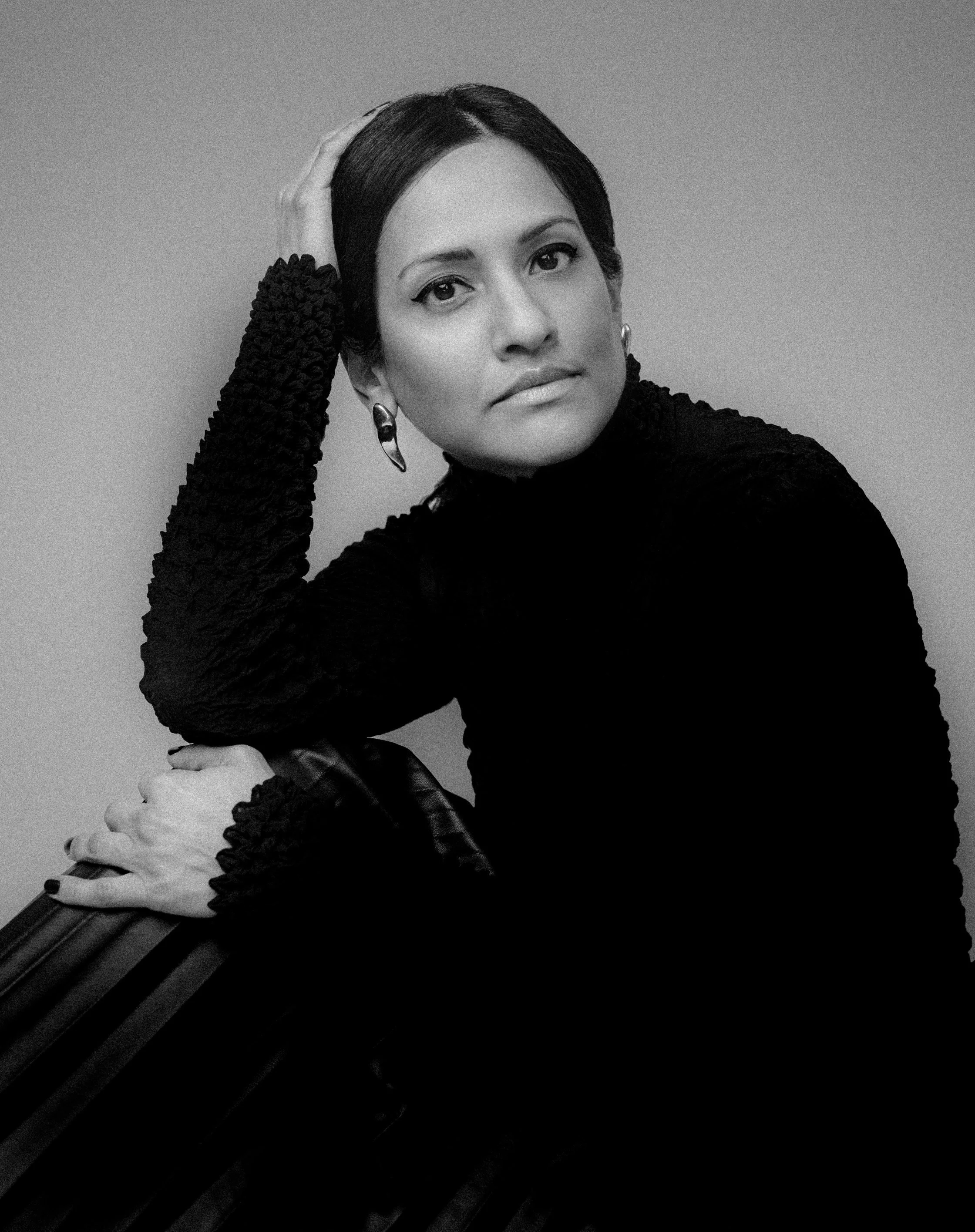
Esha Soni
Having designed for major fashion houses, how does your process and approach differ now with your own brand?
For my own brand, I follow my gut instinct completely. At larger fashion houses, there’s an inherent need to balance creativity with market analysis, trends, and existing brand codes. It’s a different kind of discipline — one I learned a great deal from.
With Esha Soni, the process is far more instinctual. I design from the heart, allowing the brand’s DNA to evolve organically. It’s a freedom that lets me create pieces that feel truest to my vision.
Your brand champions slow, mindful consumption and producing only what is needed. How do you put these principles into practice, both in your studio and for your community?
I’m fortunate to work with a wonderful factory just outside Florence that allows me to produce in small, thoughtful batches. This ensures we never overproduce and helps us maintain the integrity and value of our pieces — which is why we do not go on sale. We introduce new drops twice a year, allowing the collection to grow in depth rather than volume, continually building on our core silhouettes.
For our community, this rhythm encourages a more mindful way of purchasing: choosing pieces with intention, understanding the craftsmanship behind them, and giving each design the space and time to shine. To me, that is the true essence of luxury.
How do craftsmanship, material choice, and a respect for nature show up in your creative and production process?
For me, a truly sustainable product is one that’s crafted to last. There is so much that goes into making a handbag — engineering its structure, ensuring its durability, and choosing artisans who are deeply skilled in their craft. Selecting the right partners was essential in building a product rooted in integrity.
We use Dutch and French calf leather sourced from regenerative farms, finished by one of Italy’s most respected tanneries known for its sustainable practices, traceability, and transparency. Producing in small batches further reinforces our commitment to thoughtful, responsible creation.
Even our packaging was designed with intention. Our dust bags are made from Italian canvas at the same factory that produces our handbags, and they double as totes. It’s a more expensive choice, but an important one — ensuring every element is functional rather than redundant.
Craftsmanship, material choice, and respect for nature are considered at every step, from how a piece is conceived to how it finally reaches the customer.
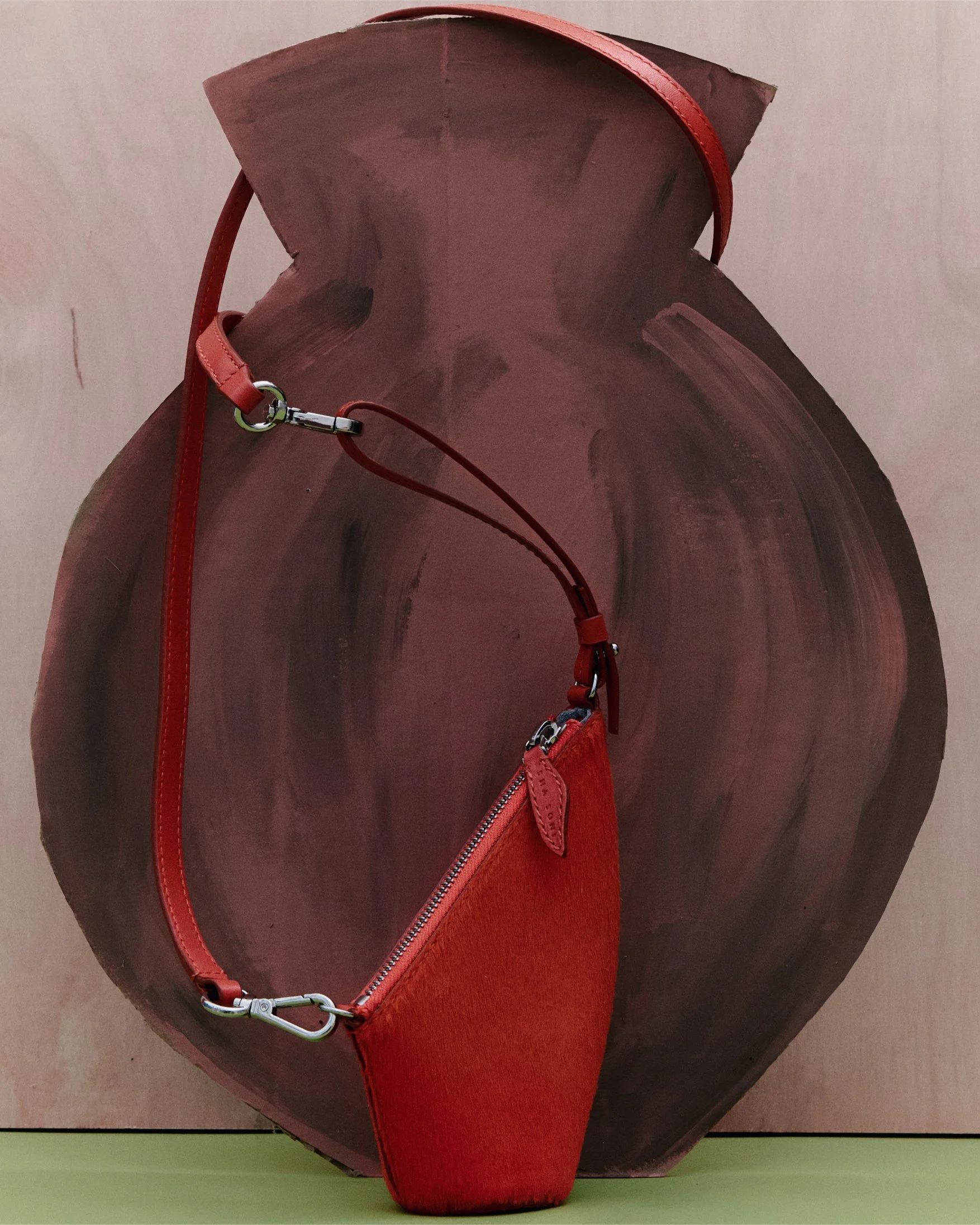
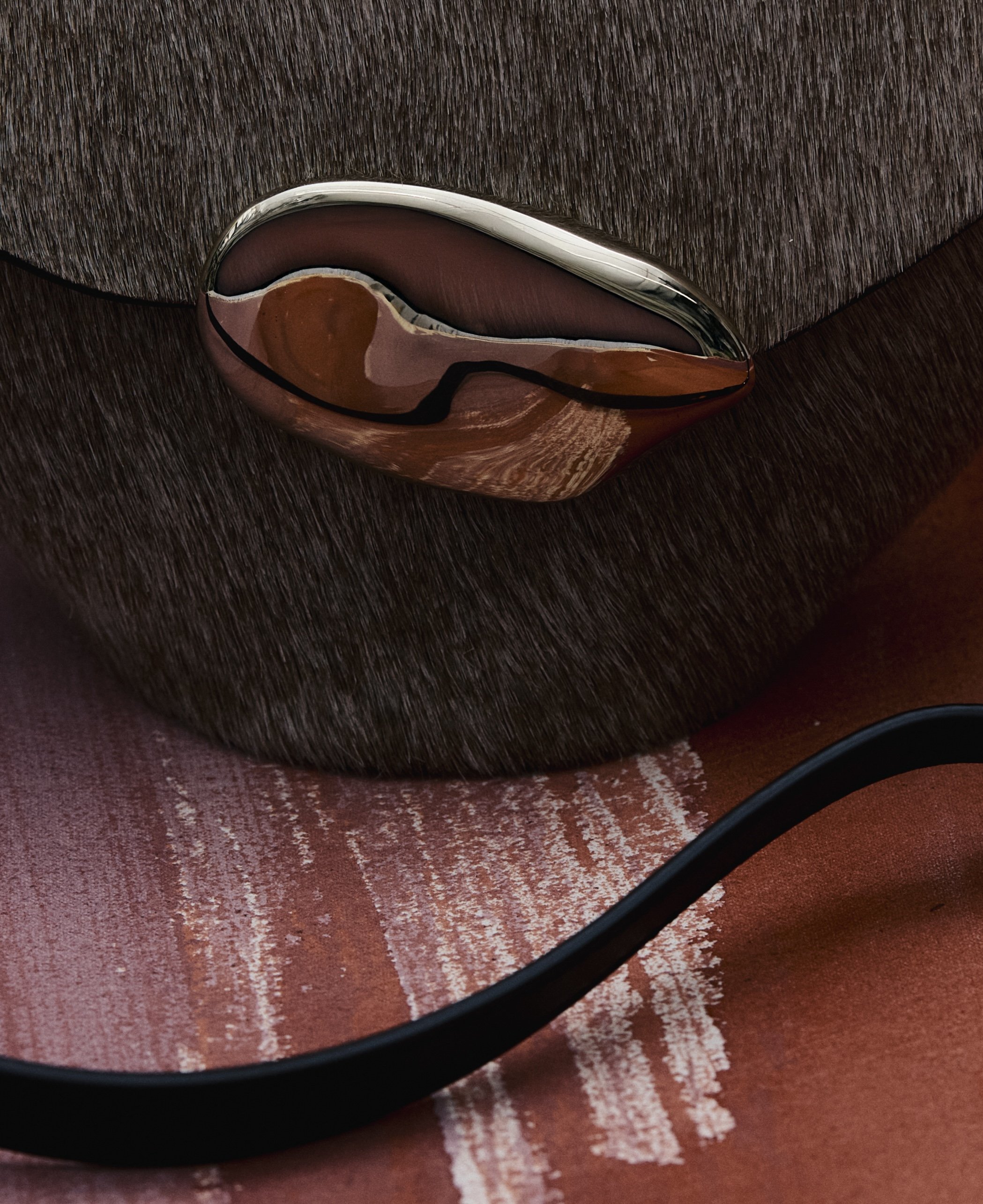
“For our community, this rhythm encourages a more mindful way of purchasing: choosing pieces with intention, understanding the craftsmanship behind them, and giving each design the space and time to shine. To me, that is the true essence of luxury.”
You’ve spoken about building concentrated product development ecosystems. How does this help reduce waste and maintain quality in your work?
Maintaining a tightly concentrated product-development ecosystem is essential to reducing our carbon footprint and preserving the integrity of our craftsmanship. All of our components — from hardware to leather to finishing materials — are sourced within a close radius in Tuscany. Choosing this region was intentional; it’s one of the world’s most specialized hubs for artisans, tanneries, and technical experts.
In contrast, many larger American brands may produce bags that are technically “made in Italy,” yet rely on components flown in from the Far East, Turkey, or elsewhere. While that approach makes sense at scale, it also significantly increases environmental impact and can dilute consistency.
At Esha Soni, we have the advantage of being a smaller, niche brand that can commit to concentrated production, higher-quality components, and a slower, more mindful model. This ecosystem not only minimizes waste and transportation emissions — it ensures every element of the product is made with intention and held to the highest standard.
SPEAK is the impact arm of your brand, focused on family, education, and empowerment. How would you describe its mission and its connection to your work?
Growing up in India, I was acutely aware of the challenges faced by underprivileged children, particularly in accessing quality education. As a mother of two boys, I’ve always felt a deep desire to empower children through education — to give them the tools to lift themselves out of poverty.
When I was shaping the ethos for my brand, I initially struggled to connect this cause to my work — until I realized the connection was personal: it’s rooted in my heritage and my home country. SPEAK, the impact arm of Esha Soni, channels that vision. Five percent of all handbag proceeds are donated to Citta, specifically supporting the Raj Kumari Ratnavati School in Jaisalmer, where young girls from underprivileged families receive quality education and vocational training.
Through SPEAK, our work as a brand not only creates beautiful, thoughtful products, but also contributes to meaningful change in the lives of children who need it most.
You’ve showcased your pieces in cultural spaces like Villa AM and collaborated with muses like Tess Bruns and Ramya Giangola. How do these artistic partnerships help bridge fashion, craft, and larger design conversations?
I see my work as creating timeless objects that happen to exist within the fashion conversation. Collaborating with multi-hyphenate, thoughtful women like Tess Bruns and Ramya Giangola — who genuinely connect with our products — allows us to cultivate a meaningful community around the brand.
Activating in cultural spaces like Villa AM, where art and design coexist, is truly how I envision the brand evolving. These partnerships and settings allow us to bridge fashion, craft, and larger design conversations, showing that our pieces are as much about form, intention, and dialogue as they are about style.
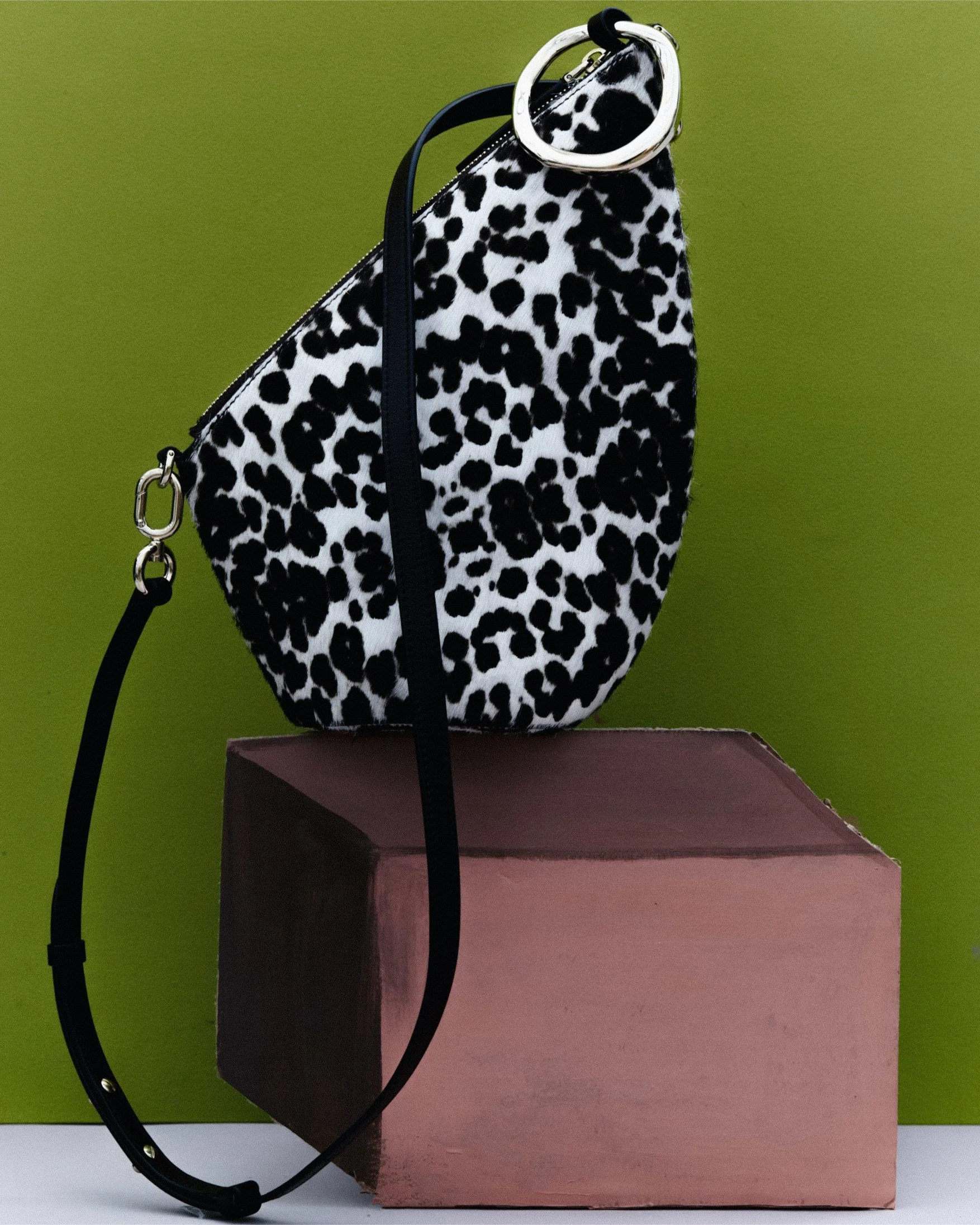
Your work appeared on the Maria McManus Spring 2026 runway. What drew you to this collaboration, and how did it reflect your brand’s values?
Maria’s ethos — rooted in timeless design and conscious creation — aligns closely with my own philosophy of creating pieces that live beyond seasons and trends. Our connection came through a mutual friend, and when she invited me to be part of her Spring 2026 runway, it felt like a natural collaboration. Beyond her work, Maria is a wonderful person and a fellow Montauk neighbor, which made the partnership feel even more meaningful.
After nearly two decades in major fashion houses, what have been the most rewarding and challenging aspects of running your own independent label?
The most rewarding aspect of running my own label has been seeing all the pieces come together — the network of trusted suppliers, mentors, and factories, and the deep experience of producing products overseas, managing costing, and refining every detail. Those years of growth and preparation have made launching my own brand incredibly fulfilling.
The challenges are real, too. Without the support structures of a larger fashion house, I’m often a one-woman operation, responsible for every facet of the business. But that challenge is also deeply rewarding, as it has taught me so much about every aspect of entrepreneurship. And while we don’t have the financial backing of a major brand, we are still able to create and deliver products that feel luxurious, thoughtful, and of the highest quality.
You’ve received recognition like the US Fashion Trust Accessories Award and joined the CFDA. How have these milestones influenced your work or opened new opportunities?
These milestones have been incredibly rewarding, not only as recognition of the work I’ve poured into the brand, but also for the opportunities they’ve opened. Being part of iconic organizations like the CFDA, through their interim membership and receiving the US Fashion Trust Accessories Award has given me access to an inspiring network of mentors,fellow designers, new funding avenues, and a broader platform to share my vision.
“At Esha Soni, we have the advantage of being a smaller, niche brand that can commit to concentrated production, higher-quality components, and a slower, more mindful model.”
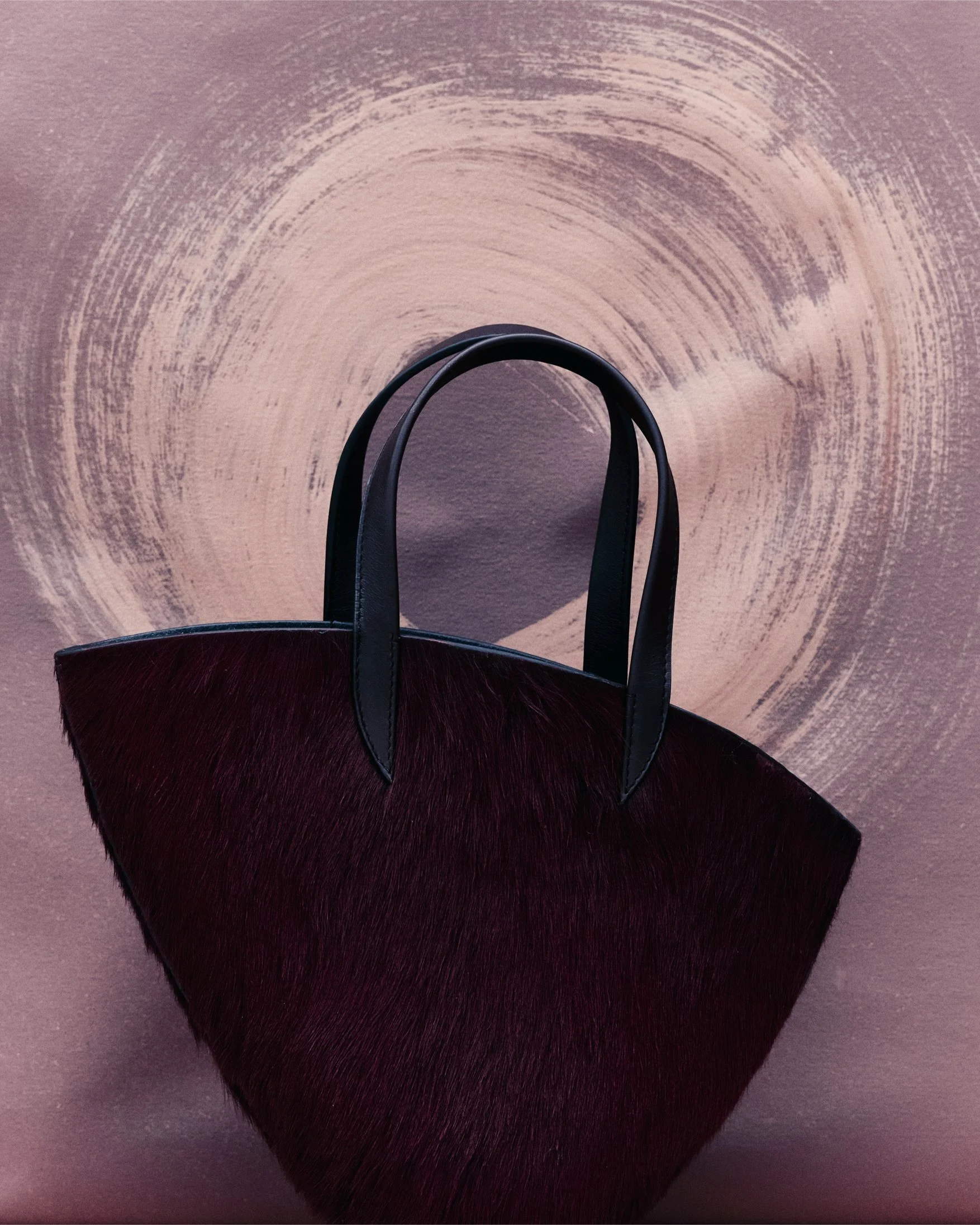
As sustainability becomes more central to fashion, how do you see your brand influencing broader industry shifts?
At Esha Soni, sustainability is rooted in intention: small-batch production, regenerative leathers, artisanal craftsmanship, and functional design that lasts a lifetime. By demonstrating that luxury should be thoughtful, durable, and mindful, I hope to inspire a shift toward products that are made to be valued, not overproduced.
Looking ahead, what new creative territories or categories excite you, and how do you personally stay inspired and creatively nourished while growing your brand and impact?
I’m deeply inspired by furniture, ceramics, and jewelry, and I’m excited to continue exploring these categories — we’ve already introduced a small jewelry line and a ceramics launch. Thankfully, I’ve never felt creatively stuck; inspiration is everywhere. As long as I stay true to my intent and vision, I remain energized and excited about what’s next for the brand and the impact we can create.
Esha Soni is known for her articulated Design and innovative leadership at iconic American brands like GHURKA, Michael Kors Collection, Ralph Lauren, Mansur Gavriel, and Proenza Schouler. Raised in Mumbai, India, she moved to New York to pursue an education in Design at FIT and spent time abroad in Florence, Italy. Building a foundation dedicated to providing primary and vocational education to children in India was one of the catalysts for starting her eponymous brand. Her line infuses her affection for design, materials and craftsmanship gracefully.
For more information about Esha Soni, visit their website.
YOU MIGHT ALSO LIKE
The first of our One | At Home Series, photographer Vanessa Granda opens the doors to her peaceful home, sharing how she built a space around comfort, intention, and the art of slowing down.