
Fluff
With a focus on mindful consumption and a belief that beauty should never diminish one’s sense of self, Fluff has built a brand rooted in clarity and intention.
We spoke with founder Erika Geraerts about her mission to challenge conventional beauty narratives through thoughtful design, transparent storytelling, and fewer-but-better products.
Interview EMILY PETRUCCIONE
Introduction NICOLE GAVRILLES
We’d love to start by getting to know you a little better: where did you grow up, and what kinds of things captured your interest early on?
I grew up in Melbourne, Australia. For as long as I can remember, or perhaps for as long as I’ve seen evidence from, I’ve loved writing. I still have journals from when I was 8 years old. For me, writing was (and is) inextricably connected to storytelling - I loved books, particularly fairytales (strangely, I hardly read any fiction now). There was and is something about becoming so consumed by or immersed in another world. Perhaps this involved some element of escapism from the monotony of day to day or my parent’s separation, but either way, I loved the intimate connection made possible between author, storyteller, and reader. From here, words have taken me so many places, acting as a bridge for me to connect with and please others.
You started in the content world before launching a beauty brand. What pulled you into this space, and what did that transition look like?
I enrolled into journalism with the hopes of moving to Sydney to become an editor of a beauty or fashion magazine one day. However my tenure at university made me realise this wasn’t what I actually wanted to do, alongside a serendipitous job offer to work as a copywriter at a marketing agency, off the back of entering a competition to have a website built for a blog I was imagining with my two best friends. At the time (2011), I was 21 and had no idea what a copywriter, or ‘social media’ was. I was naive and optimistic and threw myself into the corporate world, luckily under the guise of an incredible boss who is still a friend today. He was my best and worst influence - best in that he taught me how to connect with and over-deliver to both clients and colleagues, worst in that he started his business at 19, so I felt like I was behind the 8-ball. I left after 18 months to start my own writing agency with my two aforementioned friends.
As twenty-something year old girls, we worked across beauty, fashion, and lifestyle clients, before feeling the urge to create a brand of our own; we could see the white space within beauty, and knew that if we could come up with the right product, that we’d be able to use our existing skillsets to scale the brand. It was our co-founder that came up with the product idea for frank body, which grew to exceed our expectations ten-fold. It was here that I was thrust into the depths of the beauty industry, spending much of my time in the US and learning so much. We had a significant amount of interest in the brand from external investors, and while it brought me so much joy, it also represented a lot of challenges, alongside 4 co-founders with different visions for the company. So after much consideration, I left the company after three years to pursue my own (and current venture) Fluff.
You’ve said Fluff is your favourite venture so far. What makes this one feel the most you, personally and creatively?
Fluff is no different from frank body in that our products - for me - are simply a vehicle for a message: around beauty, around self-awareness, around consumption. I feel most me in this business most literally because I am steering the ship now as a solo founder, which allows me to run the brand and business at a pace that feels (not always) comfortable and in line with my morals and values - not to mention aesthetic and communication preferences.
I love the line, “makeup is great, but not essential.” How has that belief shaped Fluff’s identity from the beginning, and how does it influence the products you create?
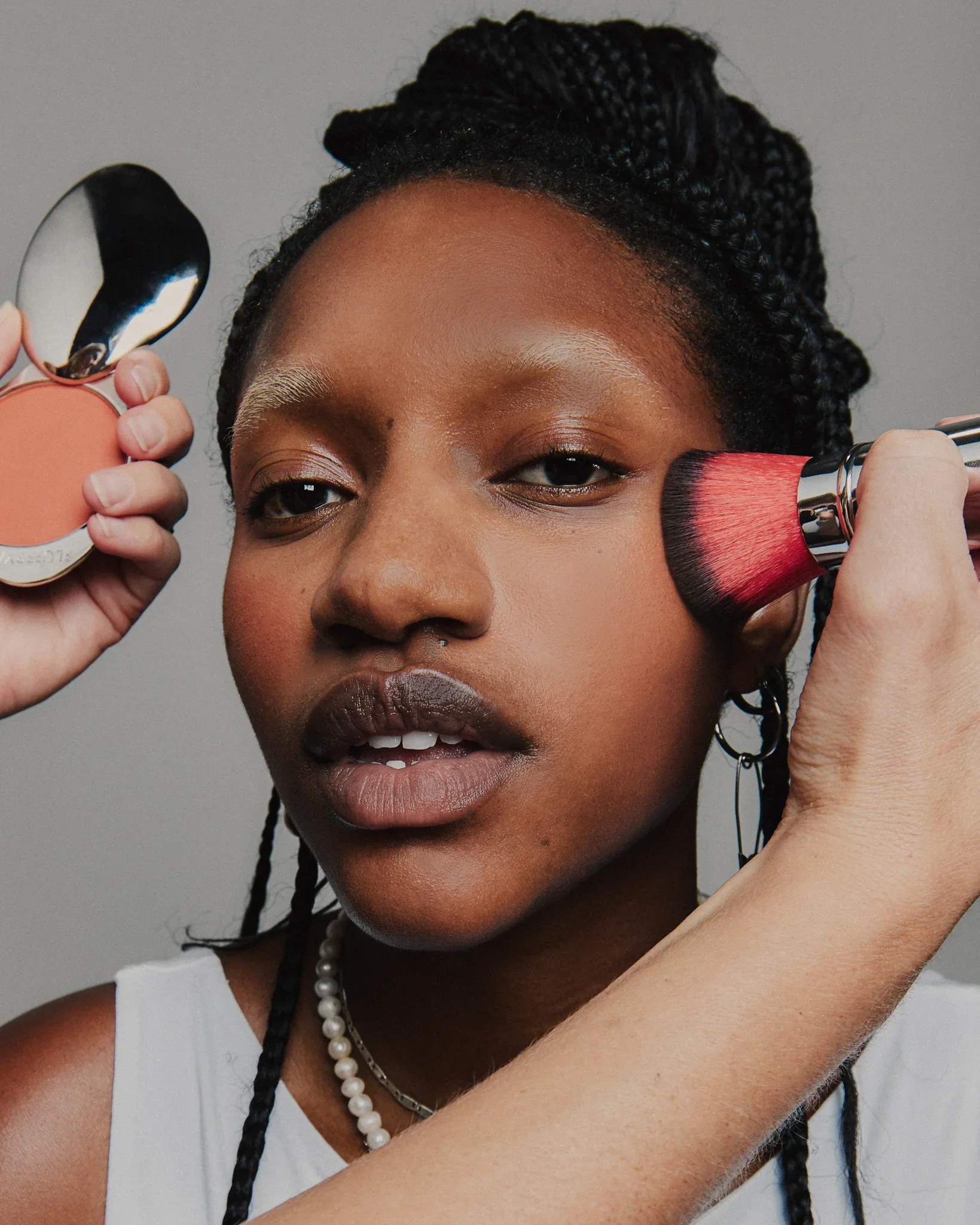
This has been a foundational message for the brand, and is very reflective of my own relationship to makeup, and beauty in general. It speaks to the attitude of our core customer, whereby they are interested in beauty, but not consumed by it - there is an inherent awareness about its impermanence and value, hence the name Fluff. It’s made it easy for us to create products that speak to this philosophy, they never cover up completely, they don’t change an appearance dramatically. They can add but never take over.
You’ve also said it’s okay to feel more with makeup, so long as you don’t feel less without it. How do you think brands can help people build that kind of healthy relationship with beauty?
Brands must walk their talk - even though, unfortunately so many continue to get away with not doing so. It is becoming harder and harder for brands to differentiate via product, which is why storytelling and message is perhaps more important than ever. We must discuss beauty - its origins, its influences, its future, if we’re going to build a healthy and aware dialogue (and I stress dialogue, not monologuing) where consumers feel in control, rather than controlled by systems, algorithms, and trends.
“The future of beauty is more than makeup.” What does that idea mean to you now, after building Fluff for several years?
Eight years have passed and this message still feels true to me (perhaps we were just too soon saying it). I believe the industry is finally catching up in terms of how they approach products (refills) and storytelling (narratives and short films), as well as artistic collaborations. For Fluff, this idea means constantly discussing and exploring what the future could be, being open to newness and change.
“We must discuss beauty - its origins, its influences, its future, if we’re going to build a healthy and aware dialogue where consumers feel in control, rather than controlled by systems, algorithms, and trends.”
What was it like developing your first products and what did you know you wanted to get right from the start?
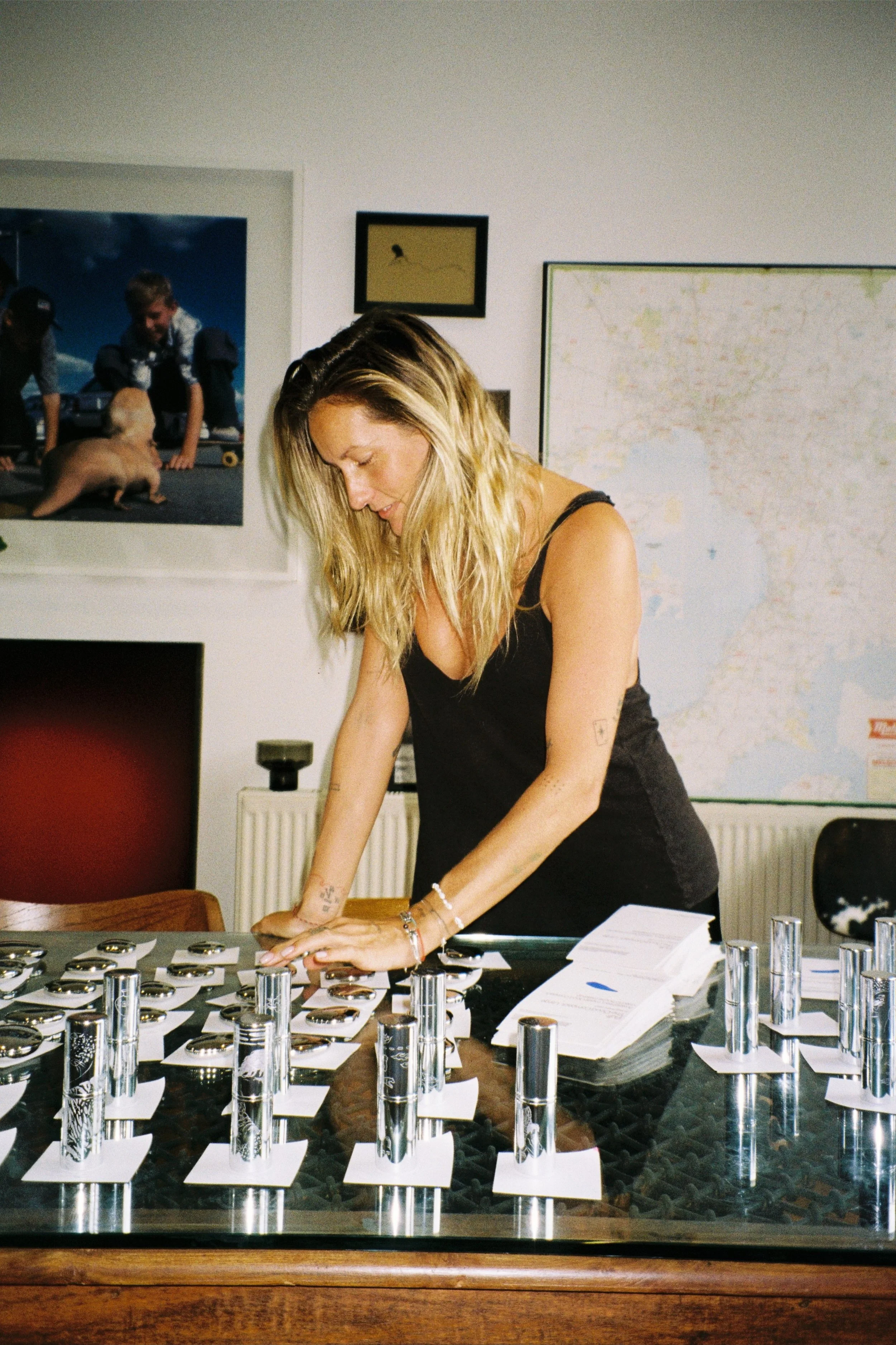
Our first iterations of product were simply plastic components - I was not yet exposed to the material we’re now so well known for with our Cloud Compacts: Zamac, a mix of metal (alloys), nor had I clicked that if refills were possible, that we absolutely should be doing them, no matter the cost. What I did know was that I wanted to avoid overt branding and typical aesthetics of the beauty industry at the time: mainly, Millennial Pink. I wanted to focus on a more refined, luxury colour and aesthetic (like Mac Cosmetics) at a more affordable price range, with a casual approach to brand and messaging. We also knew from day one that we wanted to offer a refined range, which has held true to this day: fewer, better products that were multi-use and would allow you to get ready in five minutes or less. Our years of research before starting the brand confirmed my intuitive belief that most women simply want a great foundational face product, a lip product, and a mascara. These were the must haves. We worked on a mascara for two years before abandoning that project, because I just couldn’t get it right.
Fluff’s formulas are designed to highlight natural features rather than mask them. What’s your process for creating products that enhance rather than conceal?
It’s pretty simple - we will never do a foundation product or concealer (we’ll leave that to the men in suits upstairs if Fluff is ever acquired). Our focus is on subtle but buildable products and formulations that allow your skin to breathe and your natural features show through. We acknowledge and love freckles, pigmentation, lines, scarring, etc. These are what make us most beautiful, these are what make us distinct and human.
When it comes to formulation, how do you approach creating products that are as kind to skin as they are to the planet?
To answer this most simply, I try to avoid ingredients that I can’t pronounce or don’t understand. If it requires a little extra research, it has to feel important to leave in, for example a necessary preservative or pigment for payoff. I am personally drawn to natural oils and native inclusions, so wherever possible we’ve tried to include and highlight these in our formulations.
Give us the rundown of Fluff’s current assortment and what are you personally reaching for most these days?
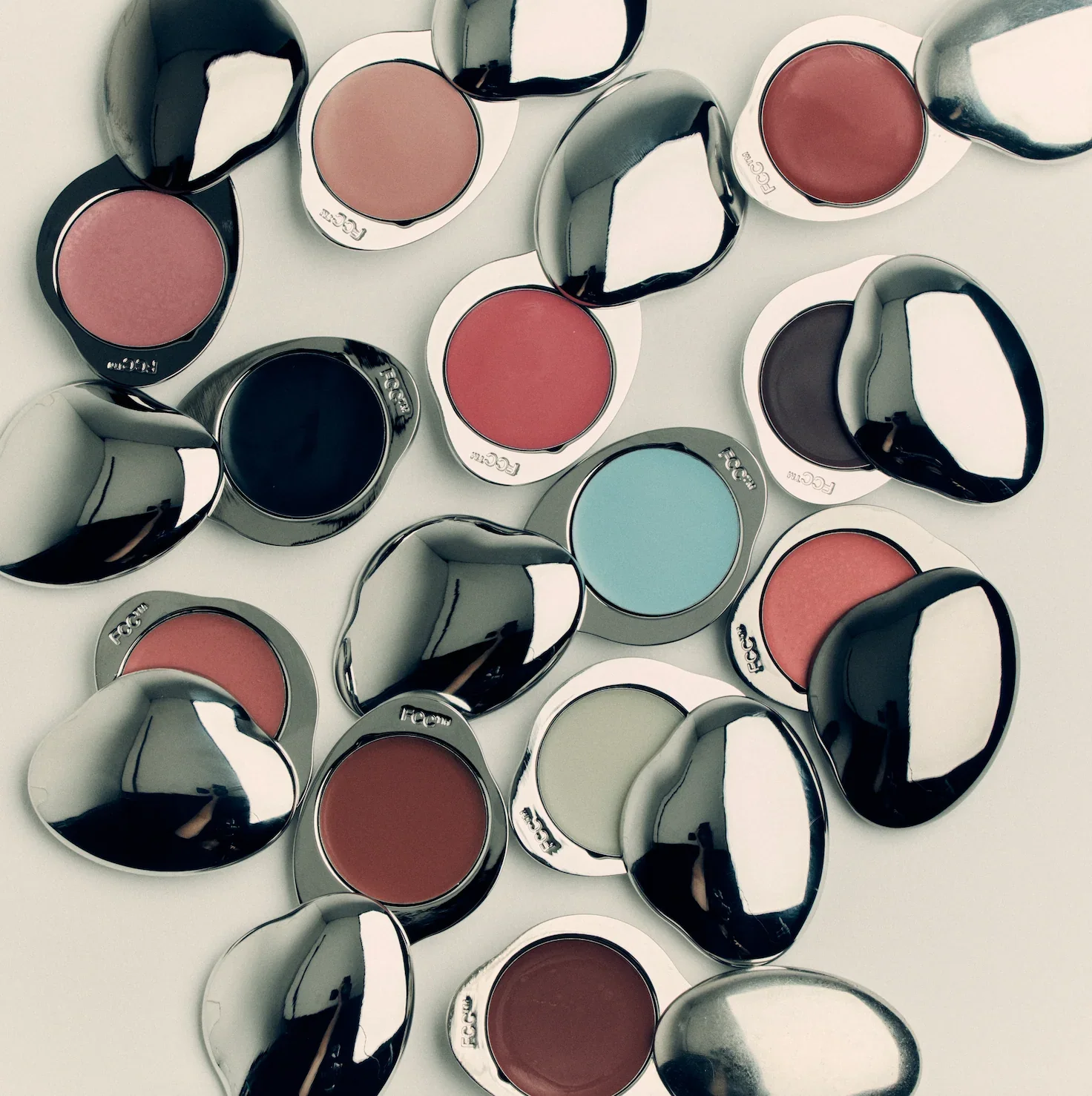
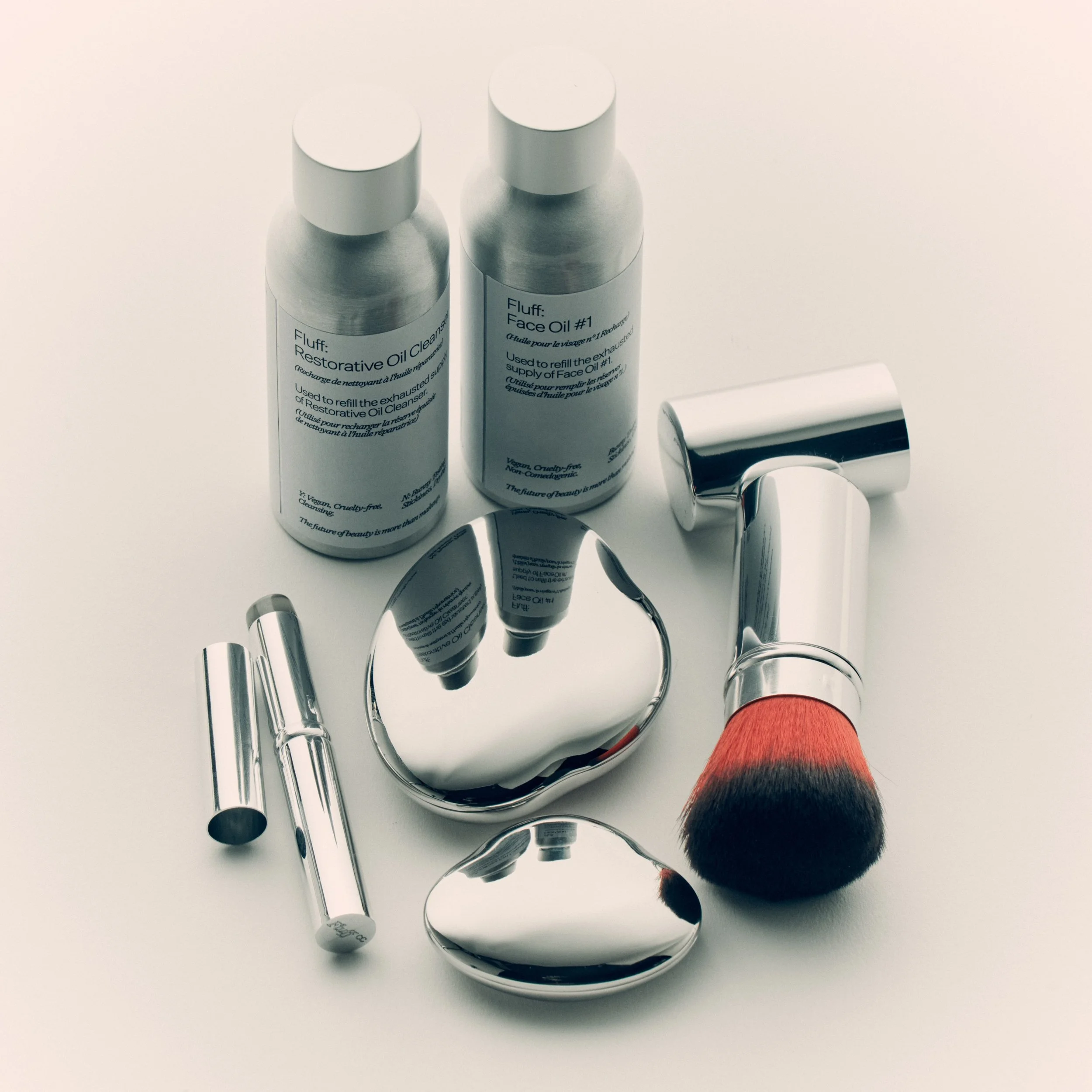
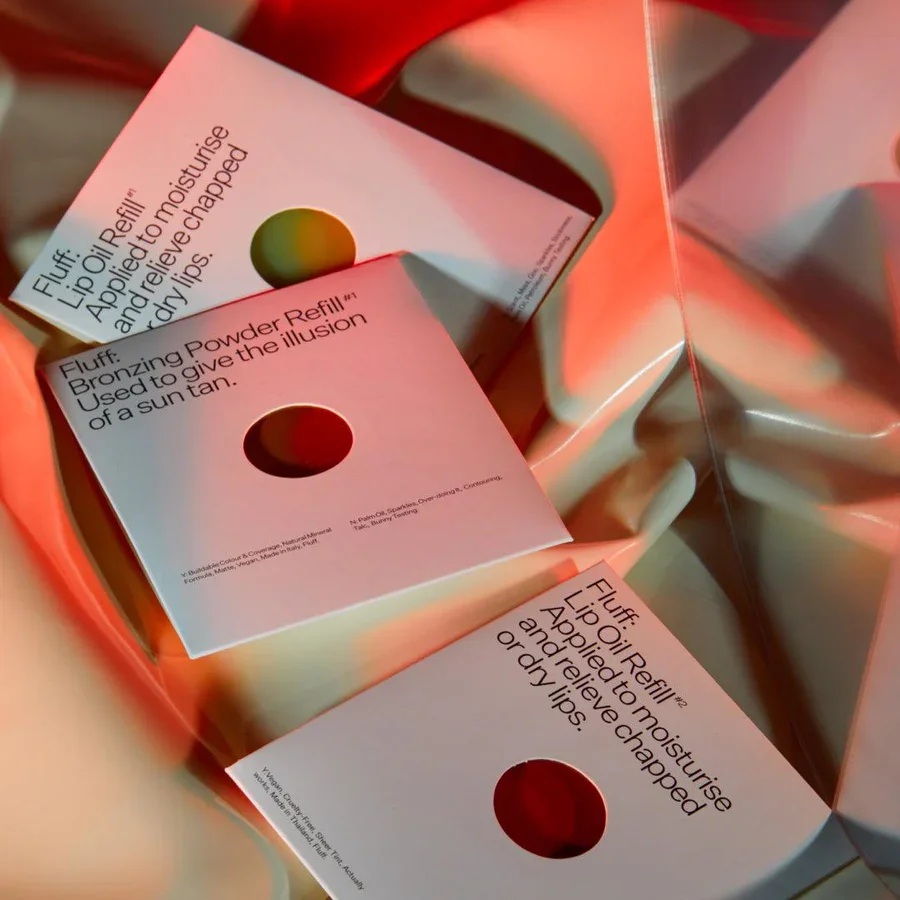
This will be easy because it’s so simple. We have three core products: a Bronzing Powder, a Lip Oil, and a Cream Blush, as well as a complimentary and limited skincare range: two Face Oils and an Oil Cleanser. I use our Bronzing Powder in shade #1 Golden and our Lip Oil in #1 Original Clear and #2 Original Tint religiously. I love our Face Oil #1 which is 100% pure Jojoba Oil, which has the most instantly recognisable structure to our skin’s own sebum. All this is to reiterate that I can get ready in five minutes when I’m rushing out the door.
“We believe that in owning something that can be refilled time and time again, you’re making an investment, rather than seeing it as an expense.”
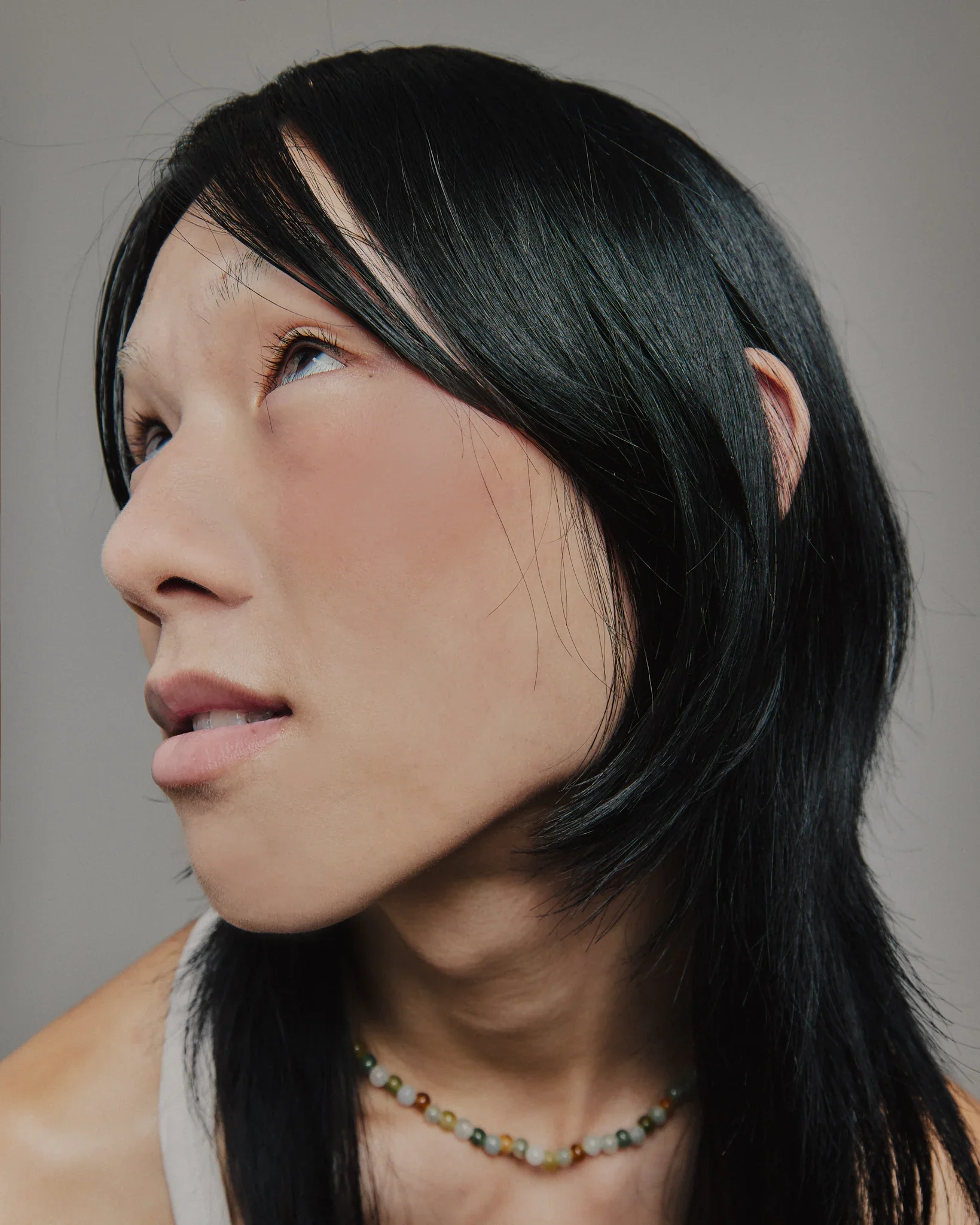
SS26 Collection — The Art of Connection
Fluff’s packaging is both beautiful and refillable, a rare mix. How do you balance sustainability with the tactile, design-led experience you’re known for?
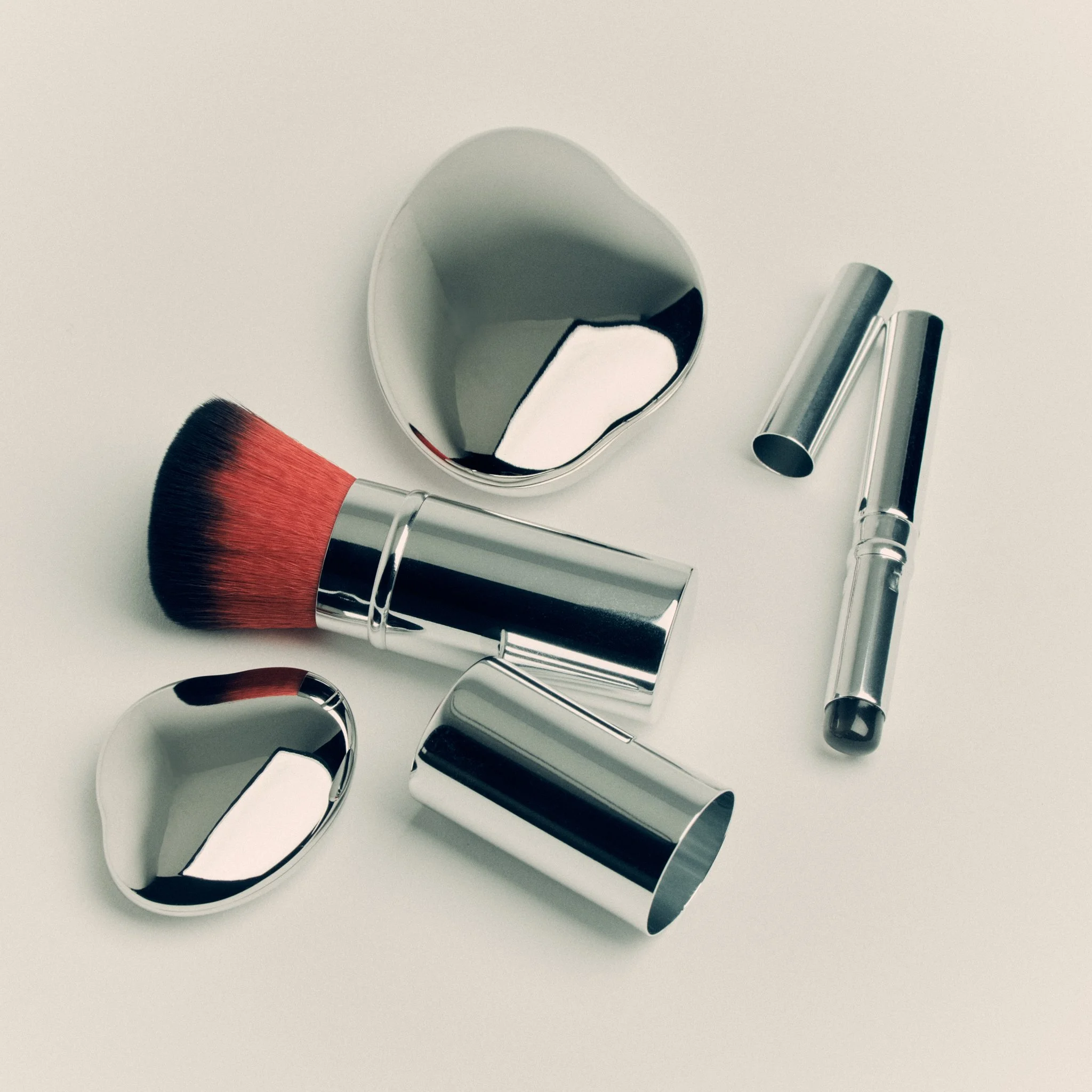
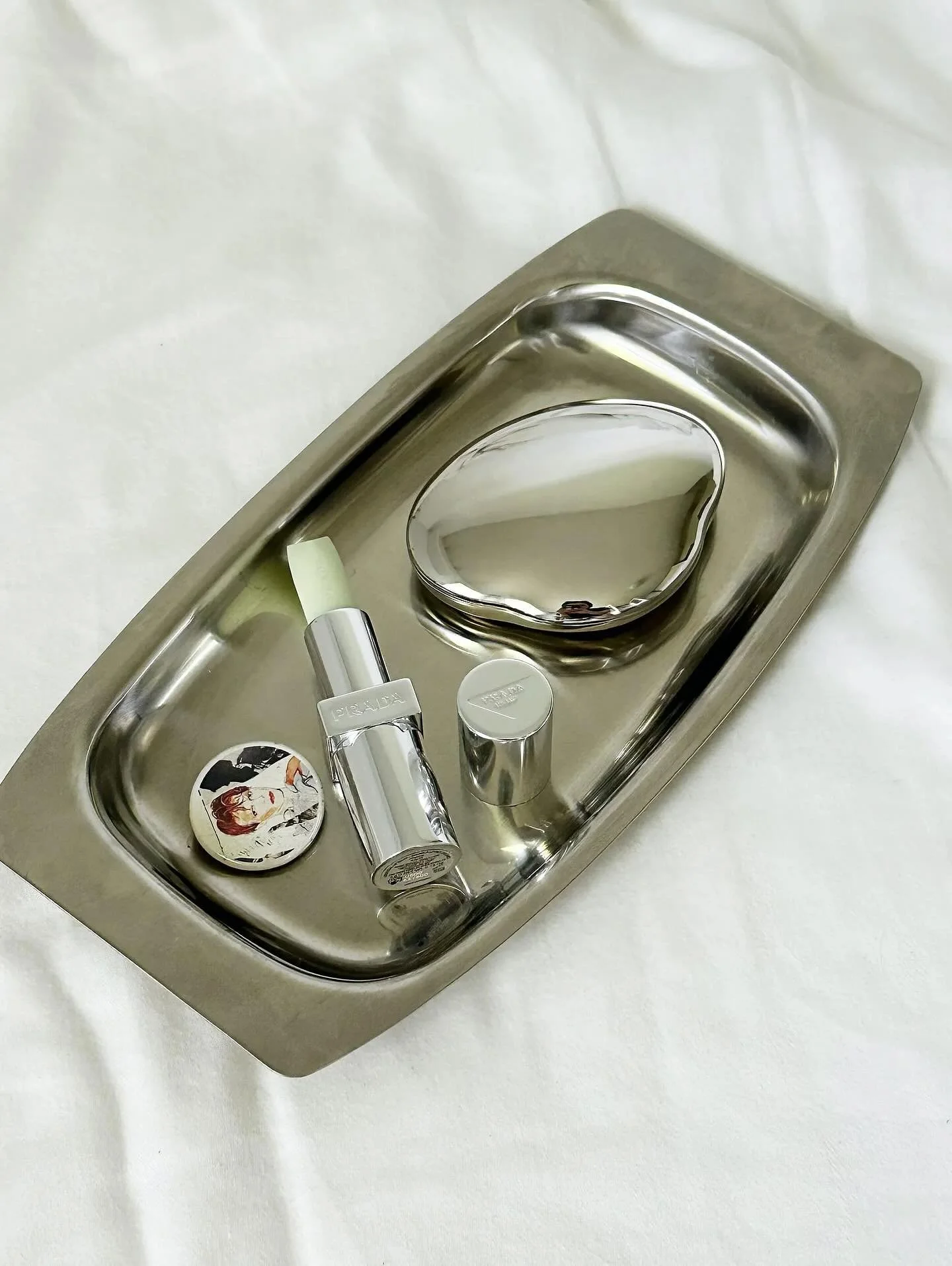
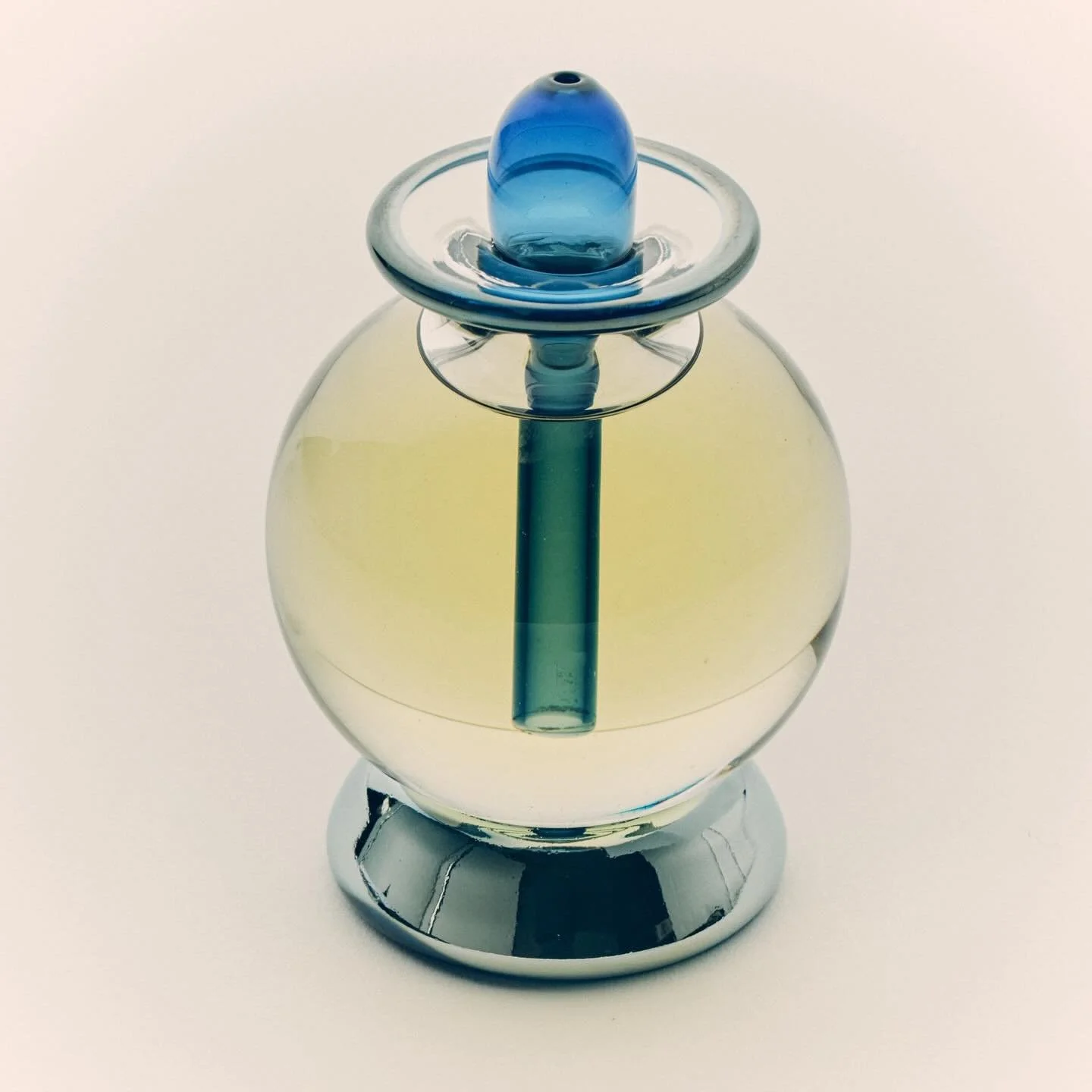
It’s pretty simple (again, one of the core values of Fluff), we have standards and we uphold them. They come at a price (both to us in production and consumers at an RRP) however we believe that in owning something that can be refilled time and time again, you’re making an investment, rather than seeing it as an expense. We like to remind customers that once upon a time (1920s etc) makeup was like jewellery: beautifully designed and crafted from materials that were made to last. With the industrial revolution came optimisations and efficiencies that saw brands and businesses prioritize cost cutting and cheaper alternatives, and somewhere along the way, we all lost sight of the point. Fluff is trying to change this. We believe everything can hold value and tell a story, just like the clothes we wear and the art we have in our homes; including our makeup.
“Sustainability” can mean so many things in beauty. How do you define it at Fluff, in both mindset and practice?
Sustainability has been exploited a lot in our industry. The most sustainable thing we could all do is stop producing, however the next best thing is to produce mindfully and be open to exploring and sharing within our industry, better alternatives. Our biggest sustainable offering is our refills, but perhaps often overlooked is our message. I believe it is more sustainable to tell people (and specifically women) that beauty is so much more than makeup, rather than tell them their worth is tied to the products they wear and use or how young they continue to look (like so much of what our industry says).
What have been the biggest challenges and unexpected rewards in building a brand that’s as responsible as it is aesthetic?
Our biggest challenge has been the operations behind the brand (the business). We have so much work to do to keep this machine running efficiently. There have not been many ‘unexpected’ rewards but perhaps the scale of the flow-on effect or compounding effects to the industry at large, following in our footsteps across product and messaging.
Through Pretty Hard and Issues, you’ve built a space for honesty in beauty. Why did that feel essential to Fluff’s DNA?
We have always said that Fluff is a mirror: reflecting our audience, their needs, their wants, their current situation and their future aspirations. There are enough brands existing telling consumers how to think. We want to ask consumers: what are you thinking? And truly hold space for their answers.
What have you learned from your community, whether through podcast guests, submissions, or DMs, that’s shifted how you think about beauty or business?
Beauty is so deeply personal. It is layered in family of origin stories, systems, politics, and more. The more questions we have asked, the more I have realised we can never try to force one narrative on a consumer. We must gently invite them into the conversation, to help us build the future of our industry.
The beauty space moves fast. How do you stay grounded and creative while navigating trends and digital culture?
I try to limit the amount of time I spend looking at other brands, or the internet for that matter. Any time I do, I become sad and jaded. I spend more time in old magazines, books, and conversations. Oh, and I walk, do yoga, and meditate. I consider these critical to my creative process and general grounding and awareness.
When you think about the future of beauty, what excites you most? What do you hope people start caring more about?
In all honesty I think for the majority beauty will become worse before it becomes better. We are in an echo chamber of sameness. I have hope for the small pockets of consumers who seek out differing opinions and explore their own relationship to self - additionally through the lens of beauty, so that they can make empowered decisions about consumption and the messages they are in turn sending out to their communities and the world.
And finally, what excites you most about what’s next for Fluff, whether it’s new products, storytelling, or community projects?
I have always been excited by our Issues Platform and Podcast, despite not being able to dedicate adequate resources to either. I hope next year these two platforms will support our product offering even more, and that we’ll be able to explore what our conversations look like in more tangible assets like print again. If I can get my life together, I’ll finally release my own book which is part memoir, part creative non-fiction. It’s a series of essays discussing our collective relationship to beauty, and it’s aptly named: Pretty Hard.
Fluff was founded by Erika Geraerts who has spent 10 years in the beauty industry and thinks that makeup is great, but not essential, and that the idea of skincare and makeup as a form of self expression, and taking care of oneself is a beautiful thing that should be celebrated, never exploited.
For more information about Fluff, visit their website.
YOU MIGHT ALSO LIKE

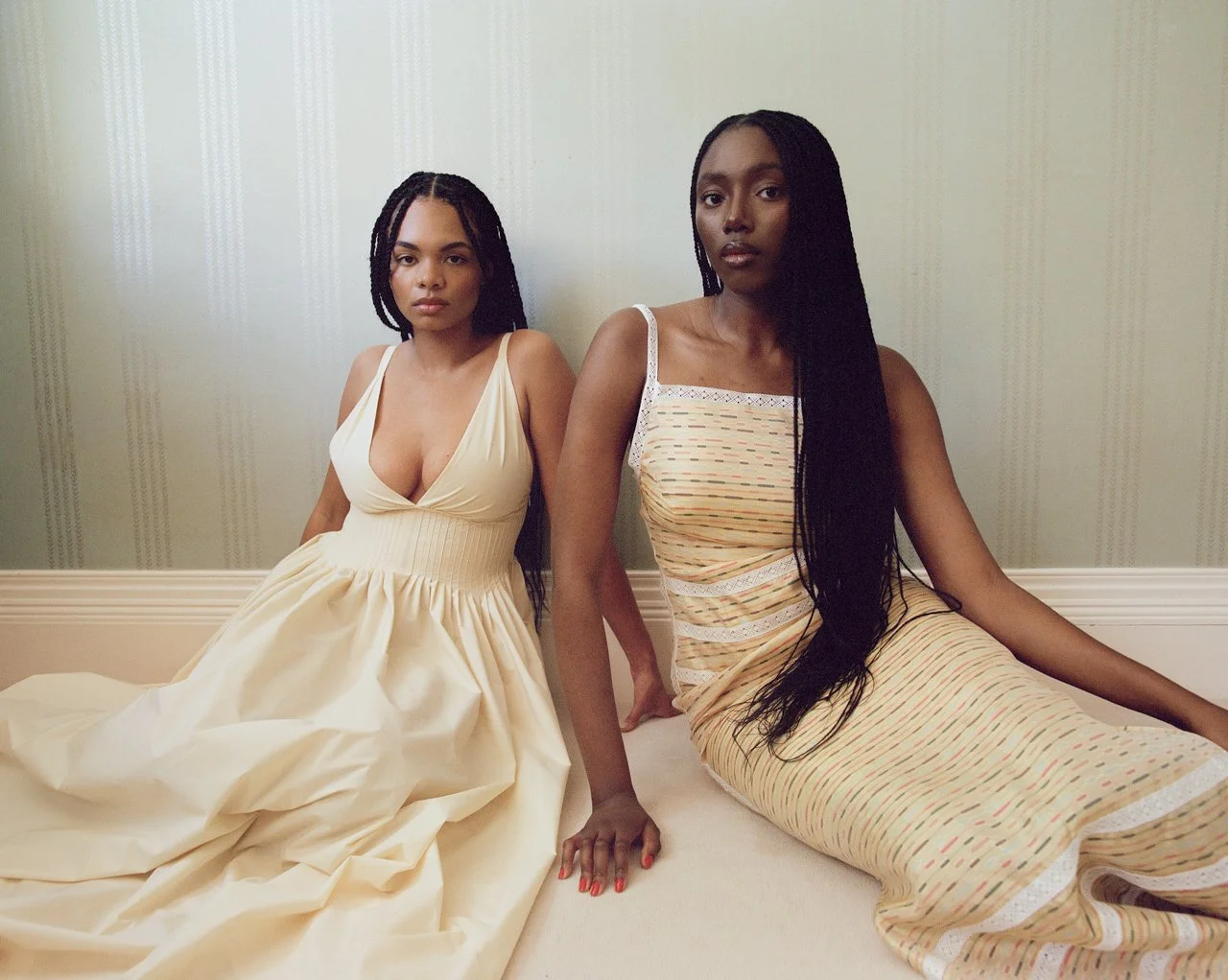
We spoke with Kindred Black founders Jennifer and Alice about their timeless world where skincare vessels become art, ingredients tell ancient stories, and new jewelry serves as personal talismans.