
Lagos Fashion Week
Building from culture and community, Omoyemi Akerele has turned Lagos Fashion Week into a catalyst for global change.
In this conversation, Omoyemi Akerele reflects on building Lagos Fashion Week into a globally influential platform, the importance of African-led systems and cultural storytelling, and her vision for a more equitable, sustainable fashion industry.
Interview NICOLE GAVRILLES
Images courtesy of LAGOS FASHION WEEK
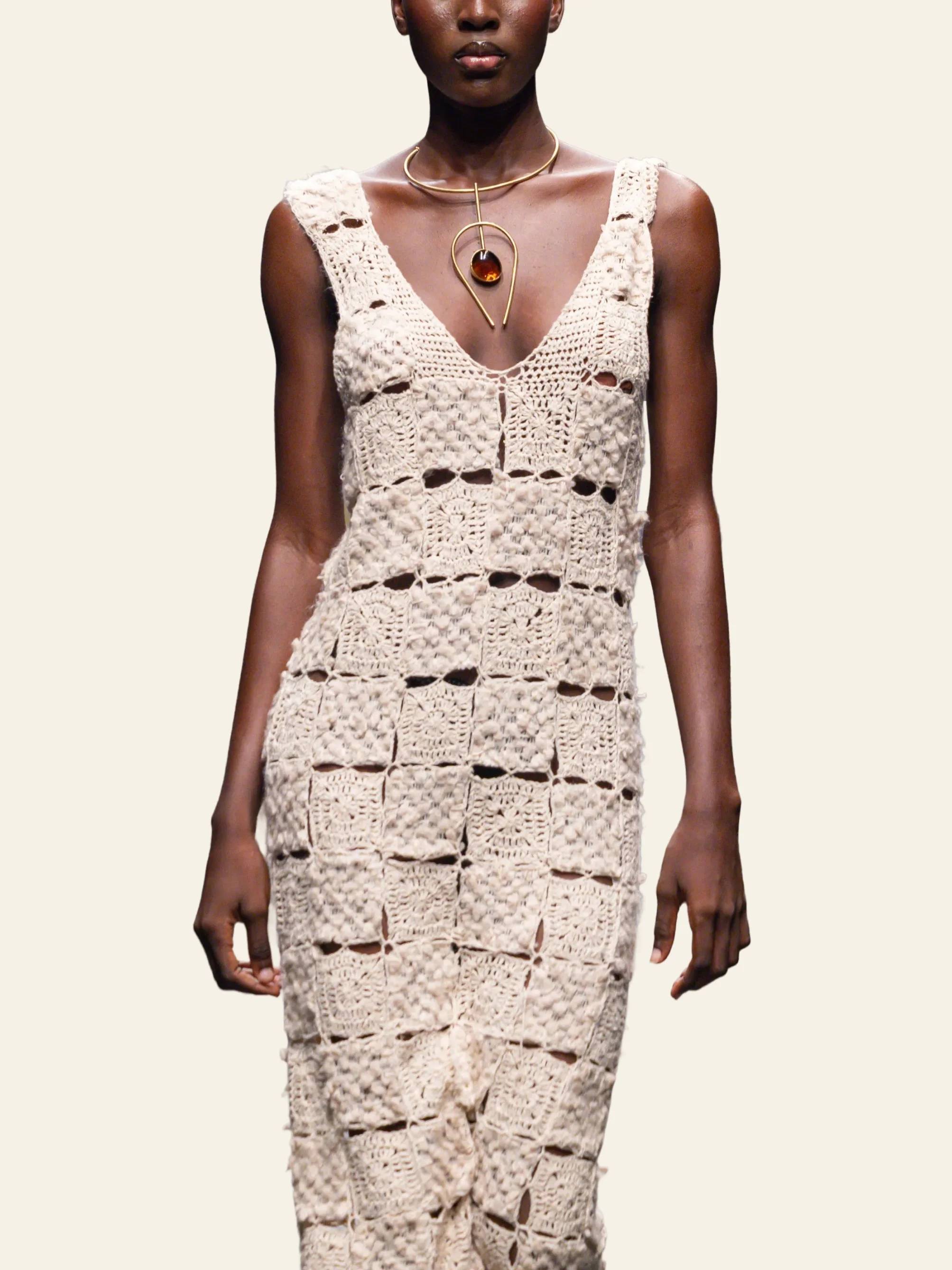
Pettre Taylor shown at Lagos Fashion Week
It was a pleasure to meet you and hear you speak during the 2025 Global Fashion Agenda. You’ve become a central figure in shaping the narrative of African fashion globally. Can you tell us a bit about your background and what led you to create Style House Files and Lagos Fashion Week?
Thank you, it was wonderful meeting you at last year’s Global Fashion Agenda. My journey started with a love for African creativity and a desire to tell its stories on a global stage. Growing up, I was fascinated by how fashion intersects with culture, identity, and business. Over time, I realized that while Africa had incredible talent, there wasn’t a consistent platform to showcase it to the world. That inspired me to create Style House Files and Lagos Fashion Week. From the beginning, the goal was simple: to provide structure, visibility, and community for designers while building a platform that could elevate African fashion globally.
Before fashion, you trained and worked as a lawyer. How did that experience influence your approach to building a fashion business and ecosystem?
My background in law shaped the way I approach building a fashion business. It taught me discipline, structure, and the importance of systems. Those skills became essential when creating Lagos Fashion Week as an ecosystem rather than just an event. Law also gave me tools for negotiation, strategic thinking, and problem-solving. Fashion is creative, but turning creativity into opportunity requires clarity, intention, and structure. My legal training helped me see the bigger picture and lay the foundations needed for sustainable growth and impact.
When did it first click for you that the Nigerian and broader African fashion industry needed a more structured platform for growth?
It became clear early on when I saw so much talent going unseen and opportunities fragmented. Designers had creativity and ambition but lacked exposure, mentorship, and access to markets. I realized that without a structured platform, African fashion would remain undervalued and disconnected from global conversations. That moment sparked the vision for Lagos Fashion Week as a space that could bring people together, provide credibility, and create long-term growth for the industry.
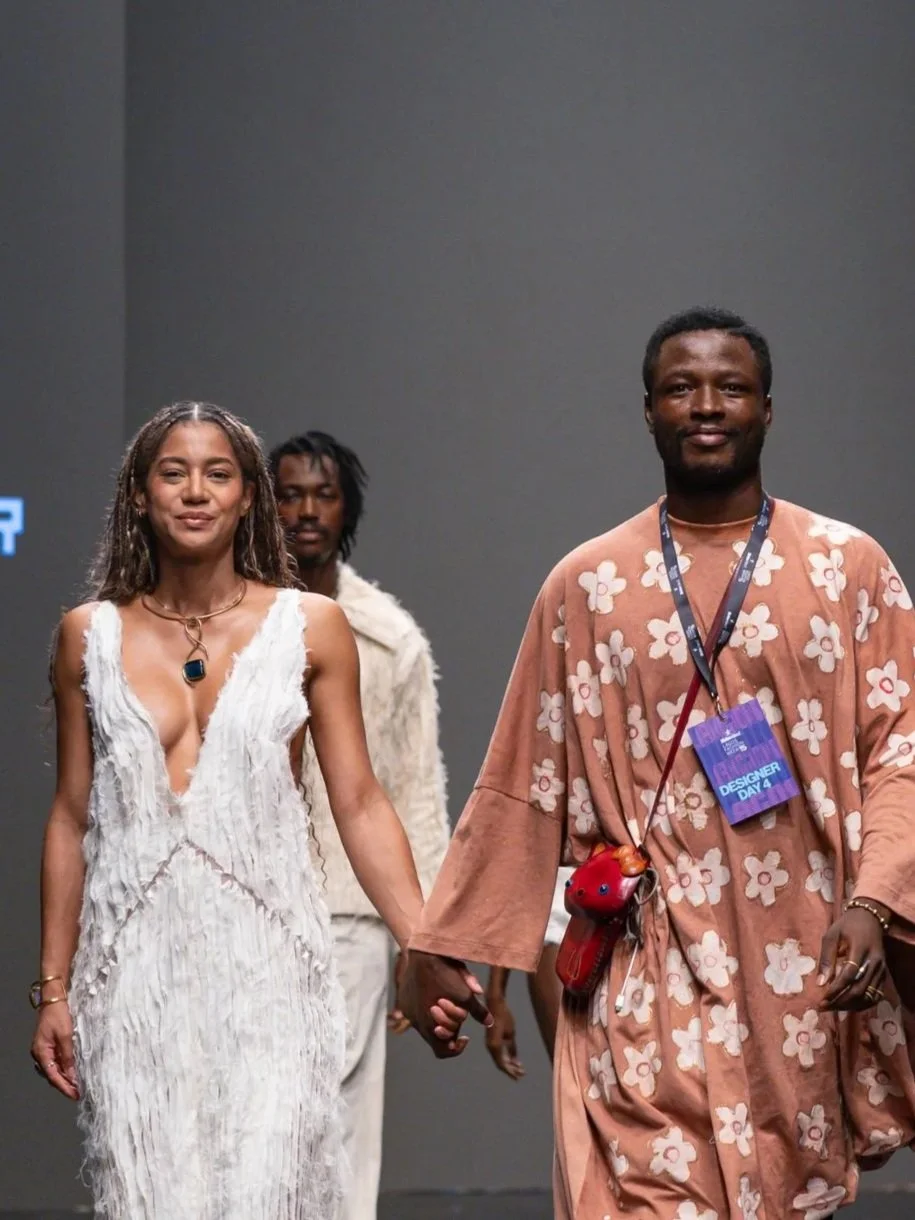
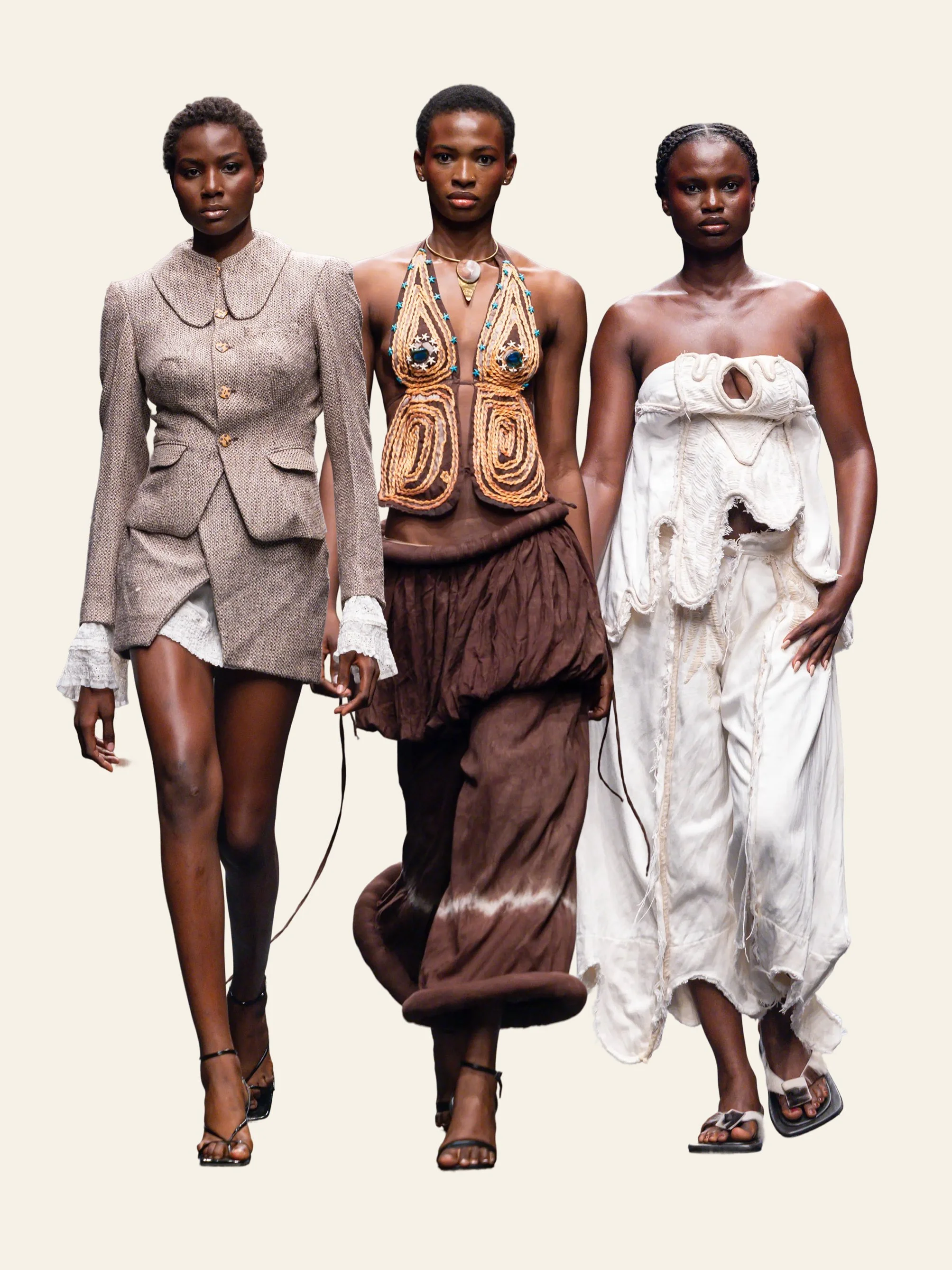
Pettre Taylor shown at Lagos Fashion Week 2025
Lagos Fashion Week has grown into one of the most important events on the continent. What were some of the biggest challenges you faced in building it from the ground up?
One of the biggest challenges was building trust. At the beginning, many people doubted that a platform like this could exist in Nigeria or have global relevance. Funding and resources were also a challenge, as we were creating something entirely new. Beyond logistics, the task was to shift mindsets, showing that African fashion could be structured, credible, and world-class. It required persistence, patience, and a focus on building relationships across the industry.
How has the platform evolved since its early editions, both in terms of scale and mission?
Lagos Fashion Week has evolved from a runway show into a full ecosystem. Today, it nurtures designers, empowers artisans, and connects the industry locally and globally. The mission has expanded from visibility to impact. We focus on building infrastructure, mentoring emerging talent, fostering collaborations, and supporting sustainability. Every edition is an opportunity to strengthen the value chain and ensure that African fashion continues to grow with purpose and responsibility.
Every year, Lagos Fashion Week spotlights a unique mix of creativity and culture. What were you most looking forward to for this season’s edition?
I am most excited about the depth of storytelling this season. It is an opportunity to see designers push their creativity while also highlighting culture, heritage, and innovation. I look forward to the collaborations, the conversations, and the new talent that will emerge. Each season reminds me that fashion is not just about aesthetics, but about shaping culture and opening doors for the next generation.
Were there any particular themes, initiatives, or conversations you hoped to see take center stage this past season?
This recent season of Lagos Fashion Week felt like a celebration of craft, creativity, and purpose. The collections reflected a strong commitment to sustainability, innovation, and heritage, with designers exploring texture, form, and material in ways that were thoughtful and intentional. Across the runways, we saw a seamless blend of tradition and forward-thinking design, where craft met contemporary expression. It was inspiring to witness the industry come together, not just to showcase fashion, but to demonstrate how African creativity can drive impact, shape culture, and contribute meaningfully to global conversations.
“Beyond logistics, the task was to shift mindsets, showing that African fashion could be structured, credible, and world-class. It required persistence, patience, and a focus on building relationships across the industry.”
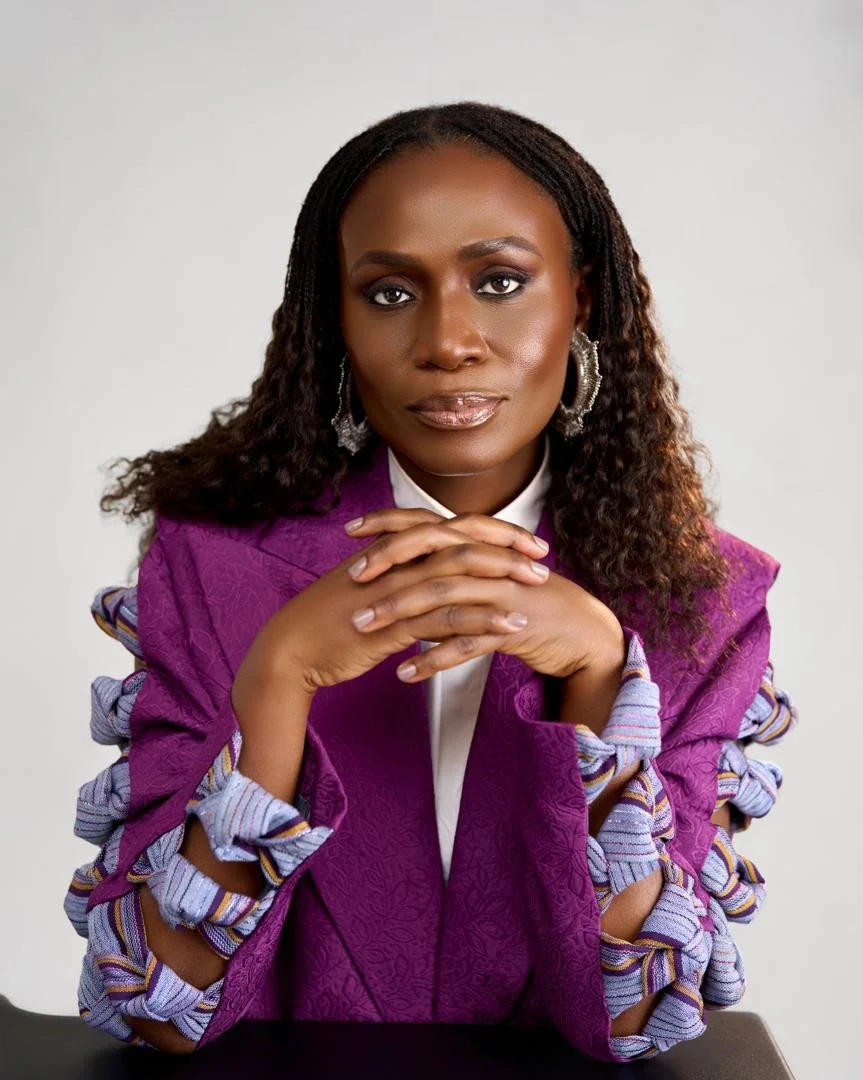
Omoyemi Akerele, CEO of Lagos Fashion Week and Style House Files
Lagos Fashion Week has become a launchpad for emerging designers. Which up-and-coming brands or collections are you especially excited about right now?
I am always inspired by the new voices coming through. There is a generation of designers who are thoughtful, ambitious, and committed to telling their stories through fashion. What excites me most is seeing designers approach their work with purpose, whether through craft, sustainability, or innovation. It’s less about names and more about the energy and perspective they bring to the industry.
Lagos Fashion Week has always been a platform to nurture emerging talent. I am constantly inspired by the energy, imagination, and courage of young designers. While I won’t single out specific names, it is exciting to see a new wave of designers who are thinking critically about craft, sustainability, and storytelling, and bringing fresh perspectives to African fashion.
When identifying designers ready for the next step, I look for a combination of creativity, discipline, and vision. It’s about more than a single collection; it’s about whether they understand their brand, can translate ideas into a coherent aesthetic, and are willing to take risks while building longevity.
What qualities do you look for when identifying designers or brands that are ready to take the next step?
I look for vision, clarity, and discipline. A designer who understands who they are, what their brand stands for, and how they want to grow is ready to take the next step. Creativity is essential, but so is the ability to translate ideas into coherent collections, to think strategically, and to commit to the long-term work of building a brand that can endure and inspire.
How do you see young designers balancing tradition with innovation in their work today?
Many young designers are finding inspiring ways to honour heritage while being fully contemporary. They respect materials, techniques, and stories that have been passed down, but they are not limited by them. Tradition becomes a foundation for experimentation and creative exploration. The most exciting work comes when designers bring the past into dialogue with the present, creating pieces that feel rooted yet forward-looking.
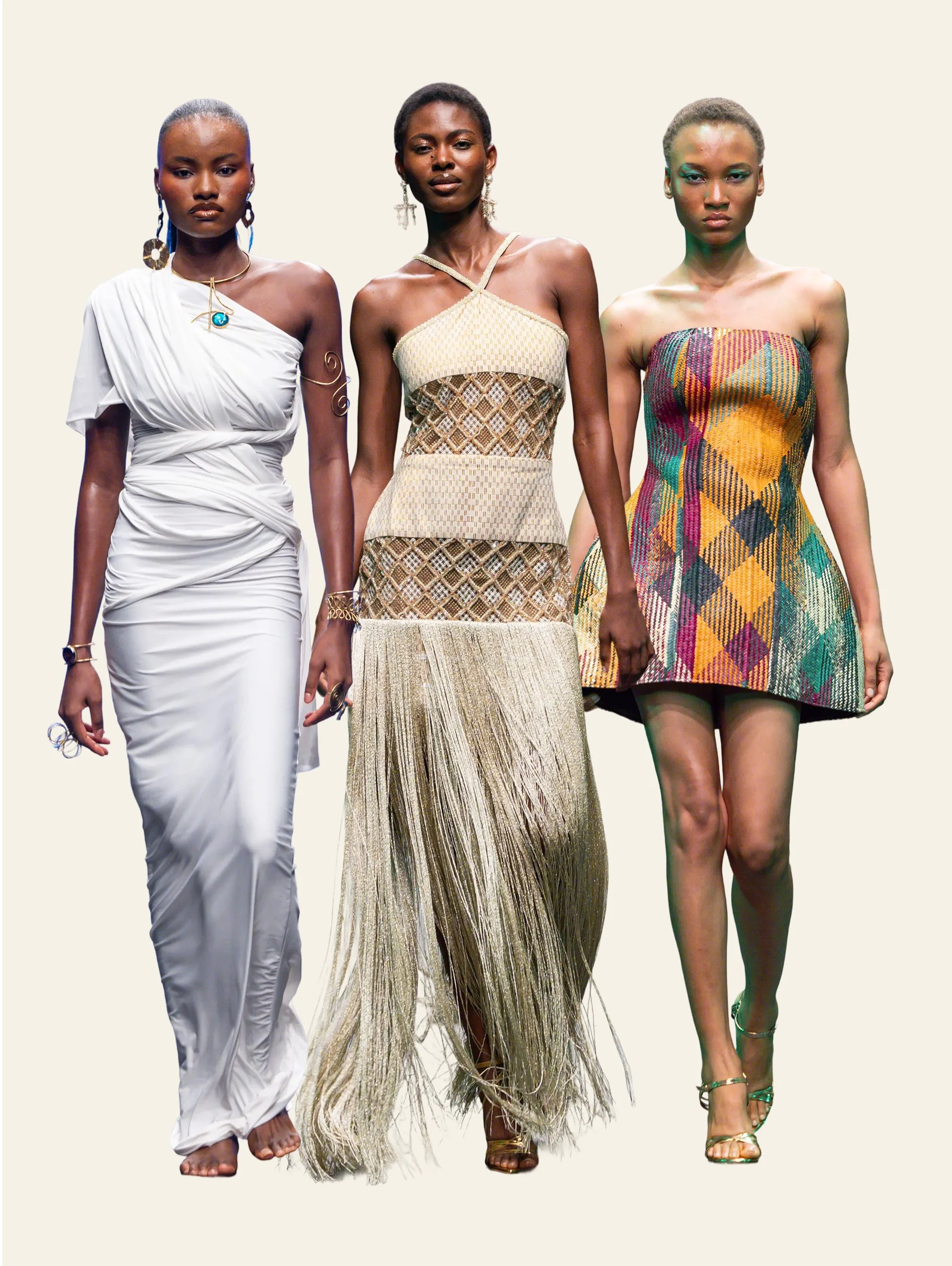
Looks from ASP (Adage Studio Project) x Unrefyned and Heineken City of Cities Show at Lagos fashion week 2025
Lagos is increasingly being recognized as a hub for creativity and innovation. From your perspective, why should the global industry be paying more attention to what’s happening here?
Lagos matters because creativity here is tied to real growth. The work being done is intentional. Designers are building businesses, nurturing craft communities, and creating models that show how fashion can drive opportunity. The energy is inspiring, but it is the discipline and commitment behind it that should make the global industry pay attention. Lagos is a city that never stops moving, and that energy is reflected in its creativity. Designers here are not only producing beautiful work, they are problem-solving, experimenting, and finding ways to make fashion meaningful and sustainable.
How do you think the city’s energy and culture shape the kind of fashion that emerges from Lagos?
Lagos has a rhythm that pushes you to think deeply and move with purpose. That rhythm shows up in the clothes. Designers draw from the city’s contrasts, its history, and its sense of possibility. You see work that feels rooted in culture but never stuck in it. There is always a drive to refine, to innovate, and to speak to the world without losing the essence of where we come from. Lagos creates fashion that carries both memory and momentum.
During your talk at the Global Fashion Agenda 2025 in Copenhagen, you spoke powerfully about the need for more equitable representation within the Global North’s fashion institutions. Can you expand on what meaningful inclusion should look like in practice—and how platforms like Lagos Fashion Week can help reshape those global power dynamics?
Meaningful inclusion starts with shifting how value is defined. It means African voices taking part in the decision making that shapes narratives, investments, and long-term opportunities. It is not enough to be present. There has to be influence and shared ownership. Platforms like Lagos Fashion Week help by creating the systems and structures that allow our designers to stand on equal footing. When we build our own platforms and strengthen them, we change the terms of engagement and create an ecosystem that cannot be ignored or sidelined.
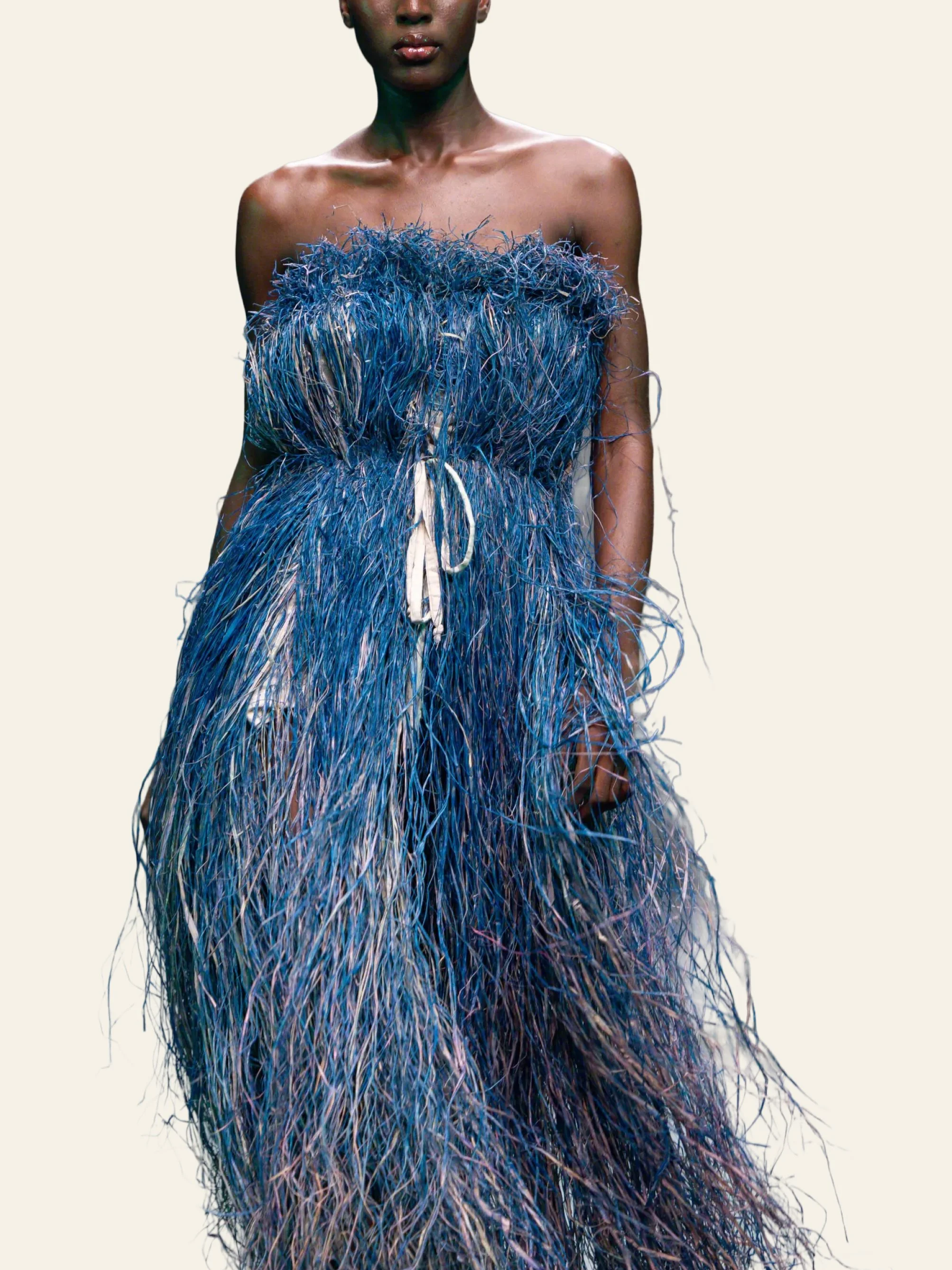
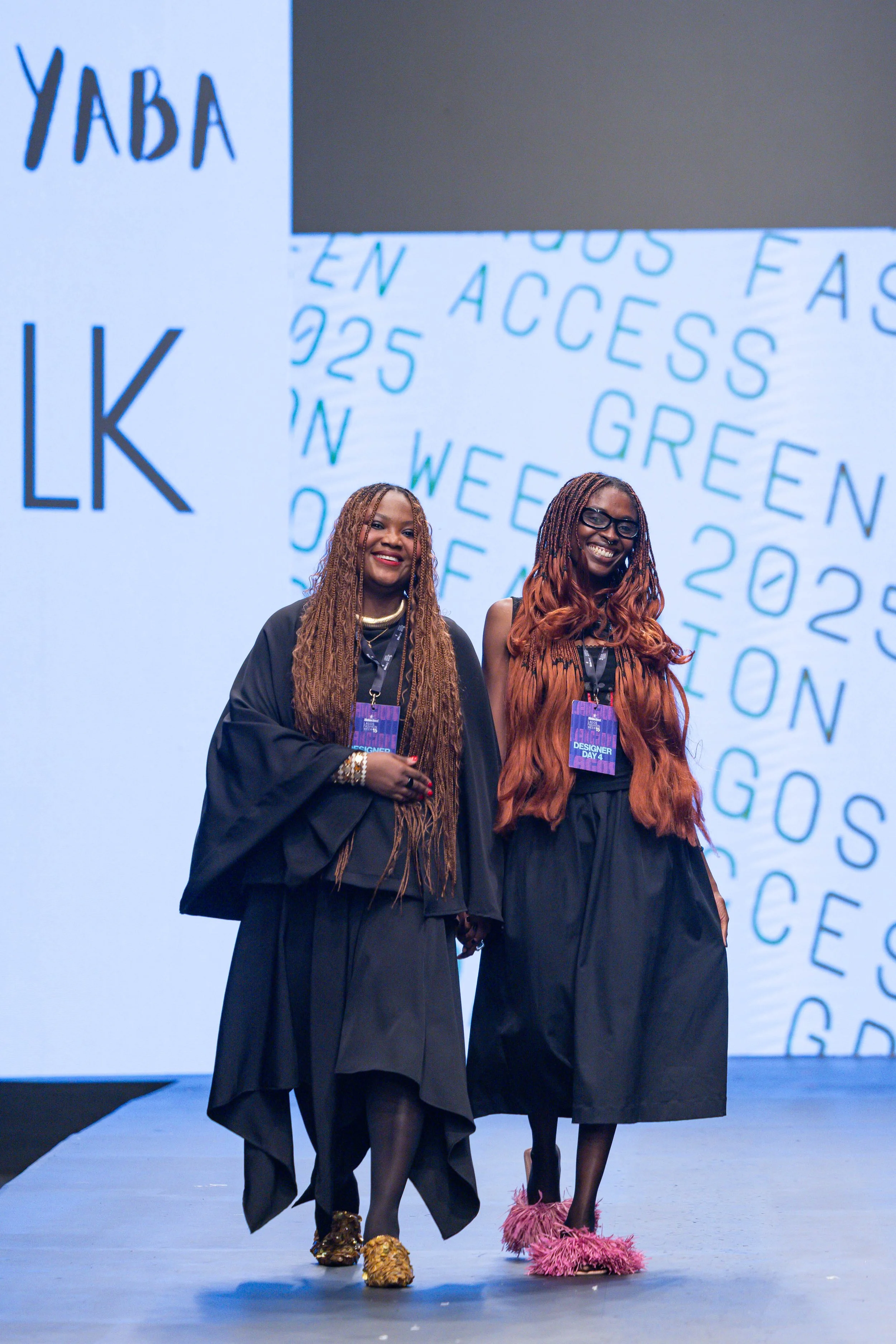
look from Heineken City of Cities Show at Lagos Fashion Week 2025. On right — Left Of Yaba x Jilk
“When partnerships focus on real value creation for both sides, rather than surface level visibility, they help build a stronger global fashion economy and ensure African brands can thrive on their own terms.”
How can global fashion institutions better engage with and invest in African fashion ecosystems—beyond just inspiration or token collaborations?
They can begin by approaching the continent with respect for the work already being done. Collaboration should be rooted in fairness and transparency, not extractive interest. Investment must support capacity, infrastructure, and long-term business development. When partnerships focus on real value creation for both sides, rather than surface level visibility, they help build a stronger global fashion economy and ensure African brands can thrive on their own terms.
What role do sustainability and local production play in the next chapter of African fashion’s growth?
Sustainability and local production remain central to how the industry must move forward. Our communities have always understood the importance of resourcefulness, repair, and circularity. The next chapter requires us to deepen that knowledge and pair it with new technologies and skills. Strengthening local production protects livelihoods, preserves craft, and creates economic resilience. It is also how we build a fashion industry that can grow without losing its integrity or its connection to the people who power it.
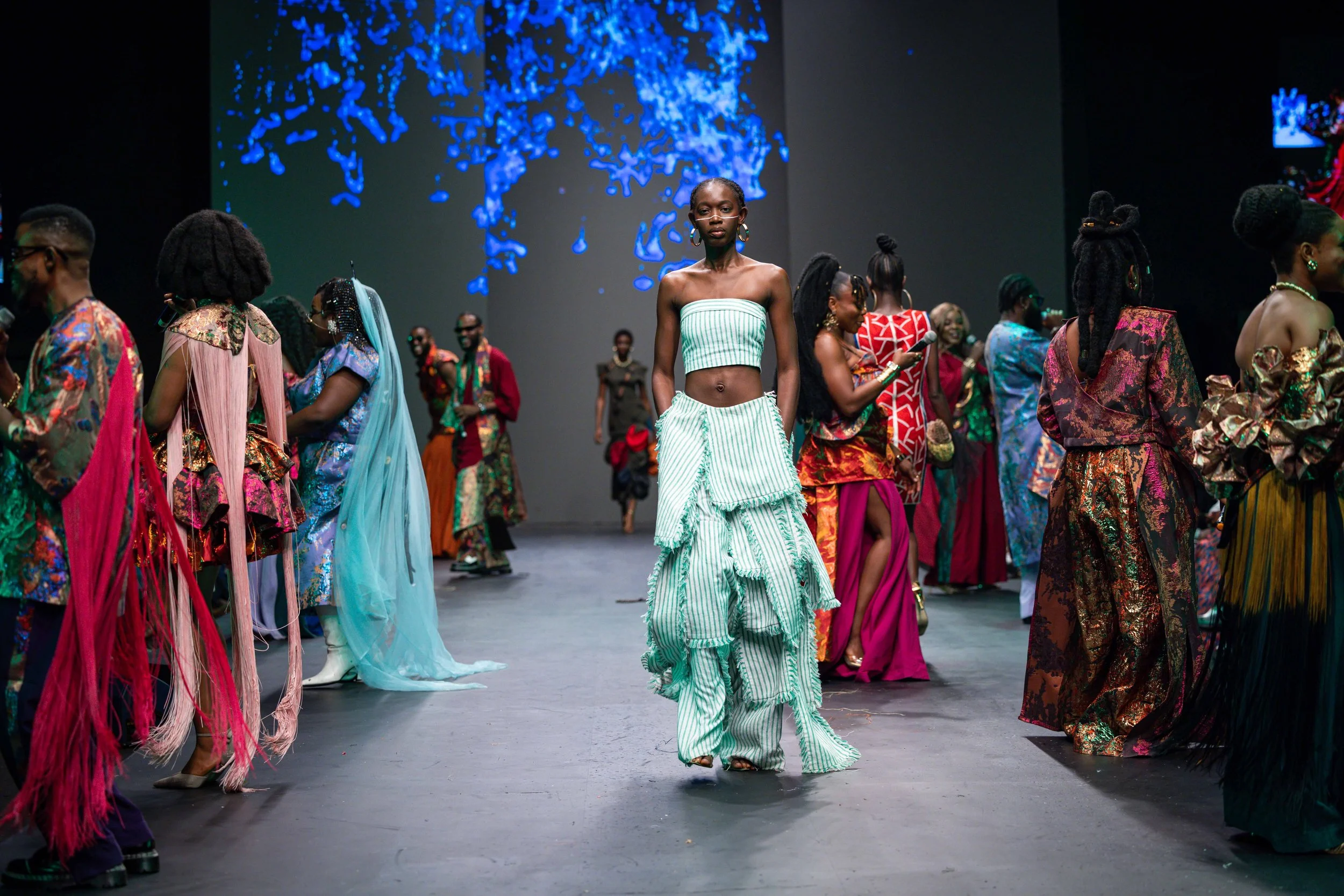
Heineken City of Cities Show at Lagos Fashion Week 202
Looking back on your journey so far, what moment stands out as a turning point for you or for Lagos Fashion Week?
A turning point for me was the moment I began to see designers fully embrace the platform as their own. When their confidence grew, when the conversations shifted from visibility to impact, and when the work started to influence communities far beyond the runway, it became clear that this was no longer just an event. It was an ecosystem taking shape. That realization changed everything.
What’s something you’ve learned about leadership or community-building through this work?
I have learned that leadership is service. It requires patience, consistency, and the humility to listen. Community building is not a one-time act. It is a commitment to showing up, creating room for others, and understanding that progress is strongest when it is shared. You cannot build an industry alone. You nurture it by giving people the space and support to grow.
What continues to inspire and drive you to keep pushing for progress in the industry?
I am inspired by the people who make up this ecosystem. The designers, artisans, photographers, stylists, and entrepreneurs who continue to push boundaries with limited resources yet limitless vision. Their resilience and creativity remind me why this work matters. Knowing that fashion can be a tool for transformation keeps me grounded and focused on building structures that will outlast all of us.
All photos by Kola Oshalusi (Insigna Media)
Lagos Fashion Week is a fashion platform that drives the Nigerian and ultimately, the African fashion industry; by bringing together buyers, consumers and the media to view the current collections of designers at a four day event in the fashion capital of Lagos, Nigeria.
Omoyemi Akerele is the founding Director of Lagos Fashion Week and Style House Files, with over two decades of experience driving innovation and sustainability within the African fashion and textile industry. Her expertise lies in creating long-term, impactful solutions that empower brands, creative businesses, and communities across Africa. As a leader committed to youth development, job creation, and circular fashion, She has successfully launched initiatives that showcase emerging talent and facilitate global market access for African designers. Her work has led to meaningful partnerships with multilateral agencies, furthering the growth of Africa’s textile and apparel ecosystem.
For more information about Lagos Fashion Week, visit their website.
YOU MIGHT ALSO LIKE


The first of our One | At Home Series, photographer Vanessa Granda opens the doors to her peaceful home, sharing how she built a space around comfort, intention, and the art of slowing down.