
Garcé Dimofski
Partners in both life and work, Clio Dimofski and Olivier Garcé founded Garcé Dimofski as an extension of a shared way of living and designing.
We spoke with the Paris-trained duo as they discuss the origins of their practice, the role of materials and artisanship, and their approach to creating spaces and objects with quiet strength.
Interview EMILY PETRUCCIONE
Introduction NICOLE GAVRILLES
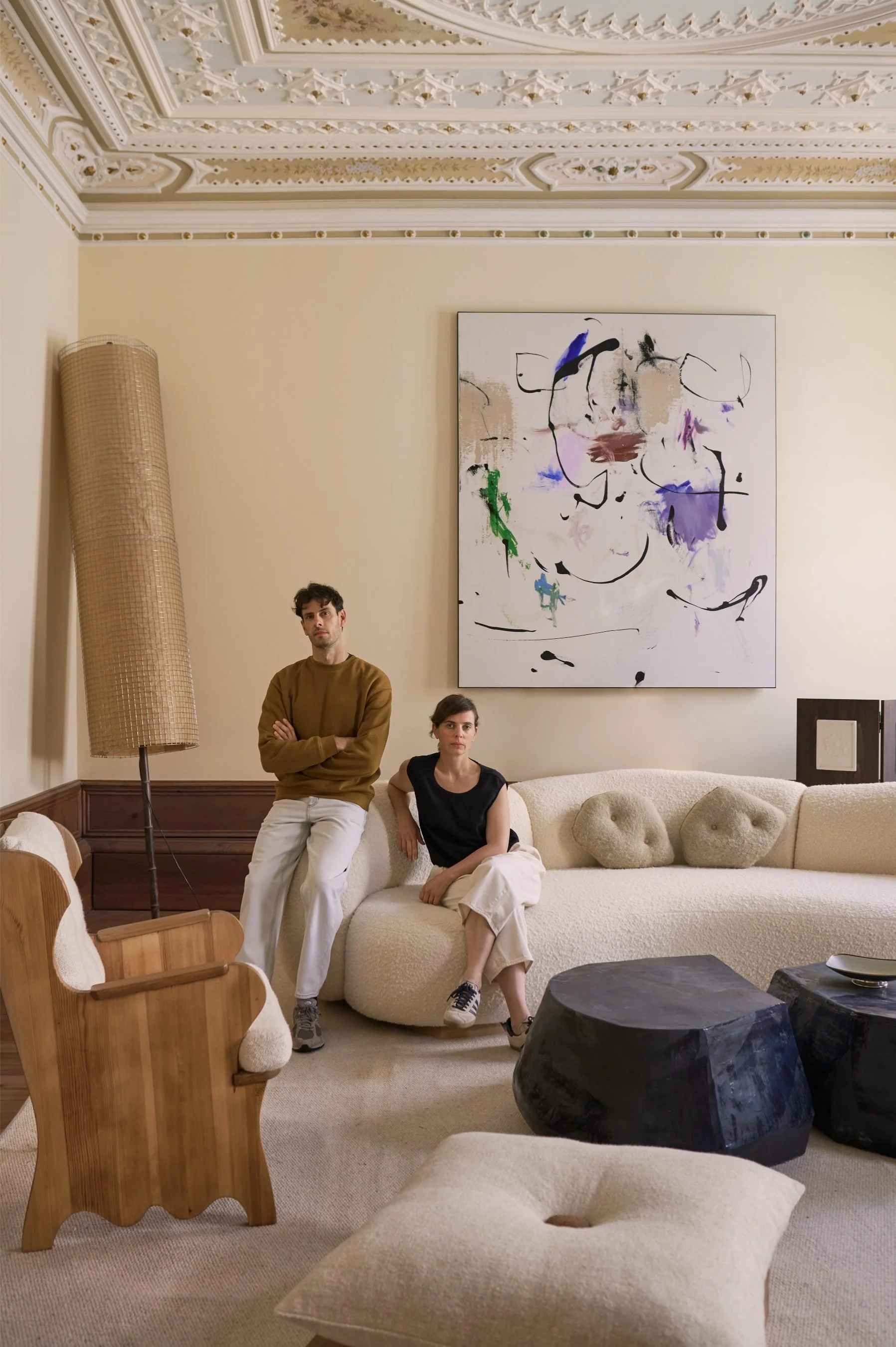
Before we get into the work, we’d love to start with your story. Who are you both, and how did your paths first cross?
We are Clio and Olivier, the duo behind Garcé Dimofski. We met in Paris, where we were both studying and working in architecture and interior design. What began as a conversation on materials and space quickly became a shared way of looking at the world — instinctive, curious, and deeply rooted in craft.
What was the moment you realized you wanted to start a creative practice together?
The turning point came in 2021, when we became parents. Having a daughter made us rethink the way we wanted to live and work. We wanted a place where our personal life and creative activity could coexist naturally — a new dynamic that allowed us to be fully present as a family while building something meaningful together. Starting a studio became the most organic way to shape that shared life.
How did Garcé Dimofski come to be?
It emerged from a desire to create a multidisciplinary space where architecture, furniture, and objects coexist. We wanted a studio where minimalism meets eclecticism, where craft guides form, and where the hand is always present in the design process.
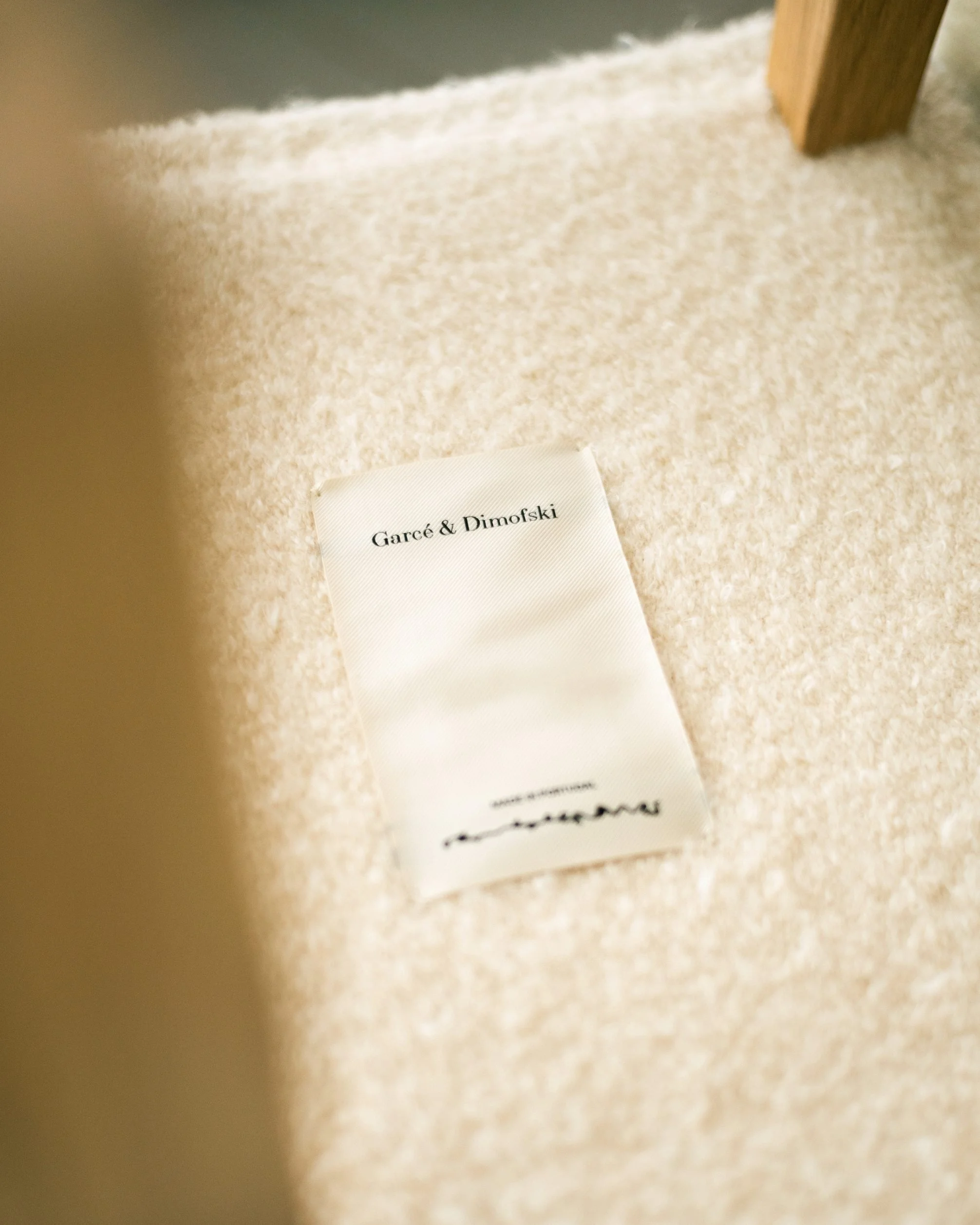
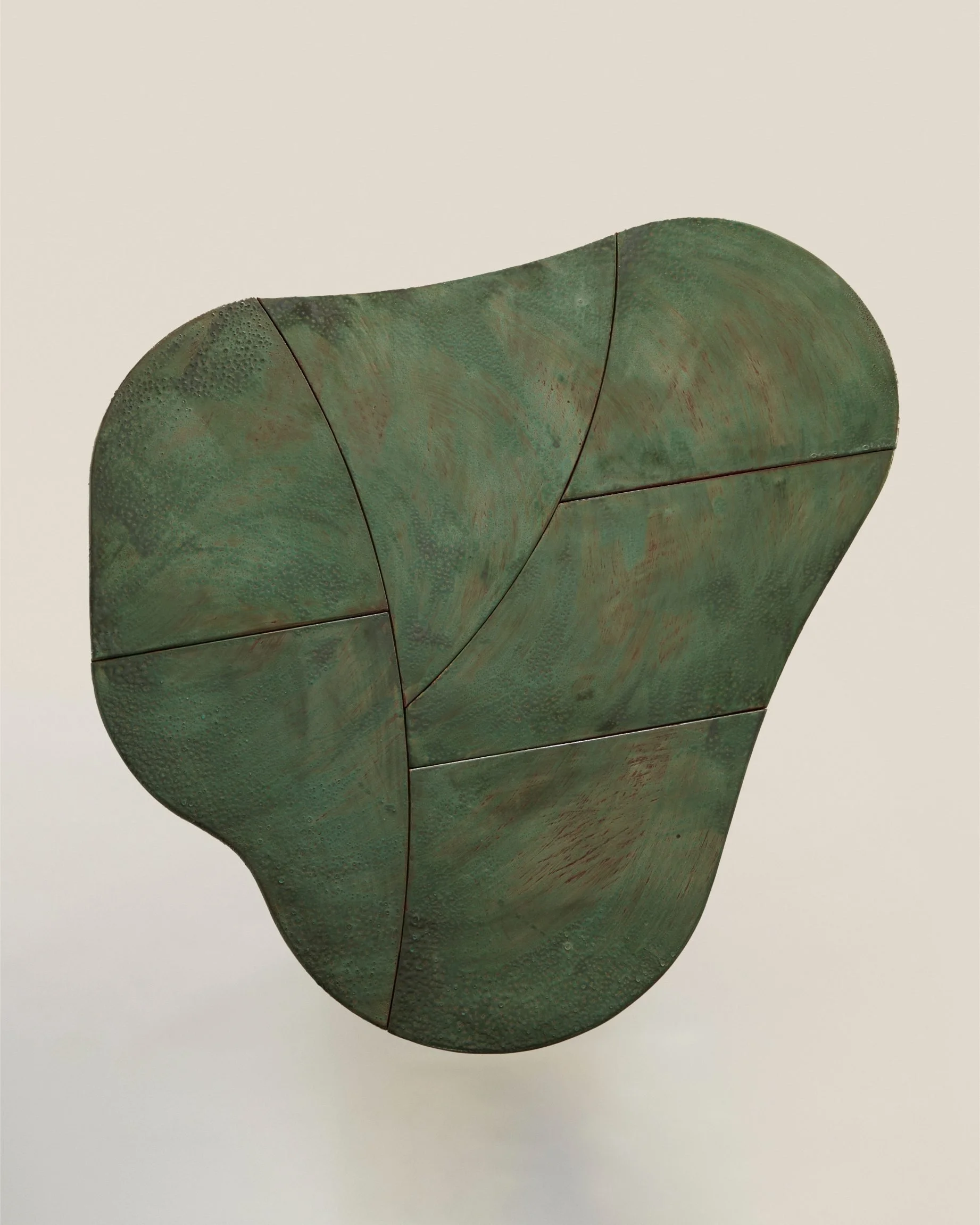
Fred Chair, Boucle Dedar. On right — Tannou Table. Photos by Ines Silva
What first drew you both to design and creative work?
Materials — their honesty, their weight, their tactility. Design felt like the most direct way to transform intuition into form, and to create environments that feel both grounded and poetic.
How did your early experiences, from studying architecture and interior design in Paris to working internationally, shape the way you approach your practice today?
Paris gave us structure and discipline; working internationally exposed us to different cultures of making. These two forces, rigor and openness, still define our practice today. We always seek balance between precision and spontaneity.
You recently opened a new showroom in Porto. Can you share what inspired that decision, and how does it differ from your Lisbon space?
Porto allowed us to bring everything under one roof — the studio, the atelier, the showroom, and the workshop. Unlike Lisbon, which is more urban and fragmented, Porto is a place for immersion. It feels like a home for our ideas, a space where we can experiment freely and present our work in dialogue with collectible pieces from the last century.
“We wanted a place where our personal life and creative activity could coexist naturally – a new dynamic that allowed us to be fully present as a family while building something meaningful together.”
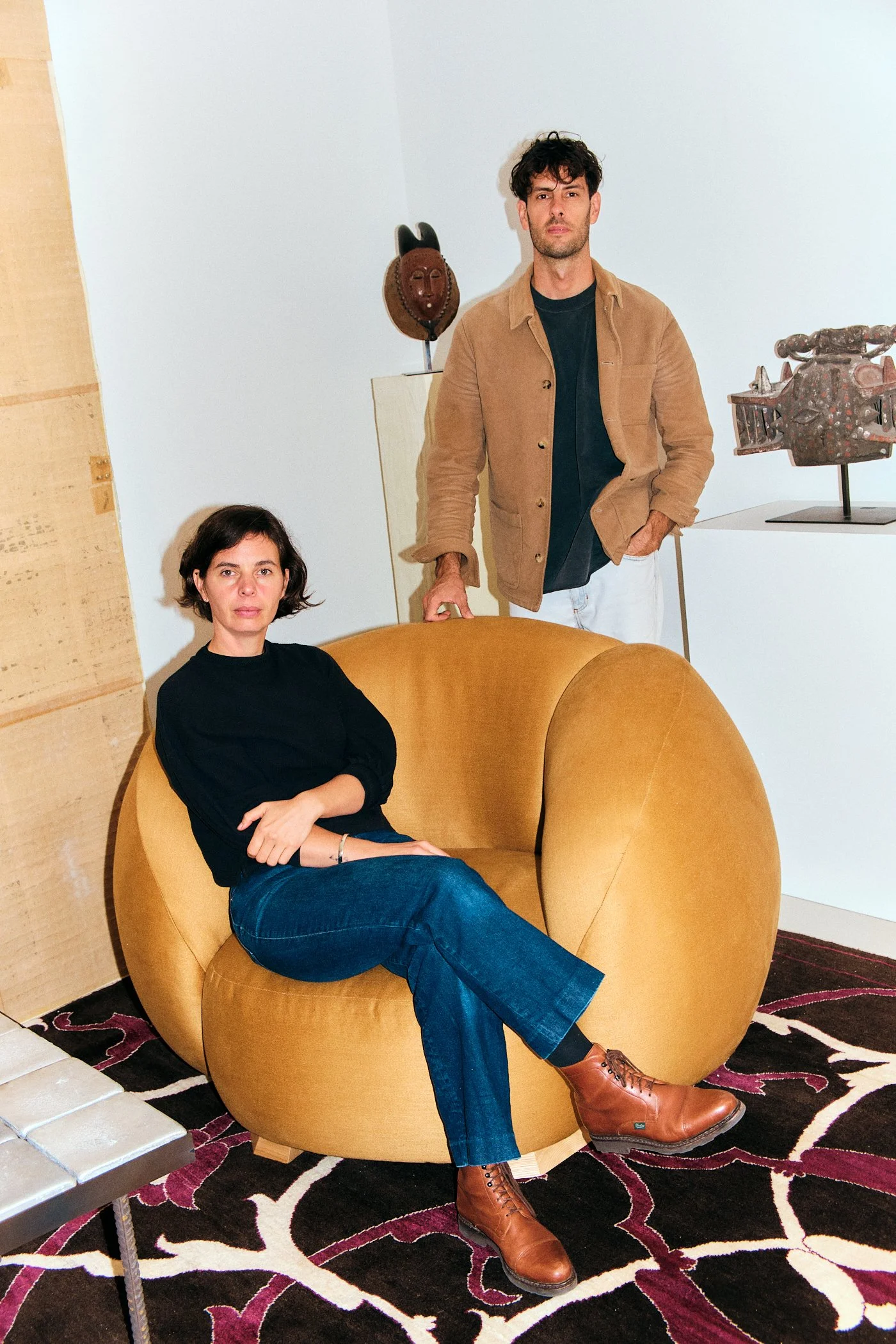
Founders Olivier Garcé and Clio Dimofski
Walk us through a typical creative day. What does it look like for you?
There is always a moment with materials on the table — clay, wood samples, pigments, sketches. We test, shape, adjust. We move between drawing, model-making, and conversations with artisans. The day unfolds as a sequence of intuitions rather than a fixed structure.
When conceptualizing a new idea, what’s the first thing you think about?
We begin by thinking about the atmosphere and the perspective — how the piece will sit within a space, how it will be experienced from different angles, how it will shape movement and light. From there, rigour guides the process: proportions, balance, and construction. Once the feeling is clear and the structure is defined, the form naturally follows. a room. Once the emotion is clear, the geometry follows naturally.
You place a strong emphasis on materials. What are you looking for when you’re sourcing or selecting them?
Honesty, texture, and timelessness. We’re drawn to materials that age well — woods with depth, ceramics with irregularity, metals with patina.
How do you decide whether a piece stays simple or becomes more expressive in form?
The material decides. Some woods ask for purity; ceramics often invite more sculptural gestures. We try to listen rather than impose.
“Artisans teach us patience, nuance, and the beauty of imperfection. These relationships shape our work as much as the materials themselves.”
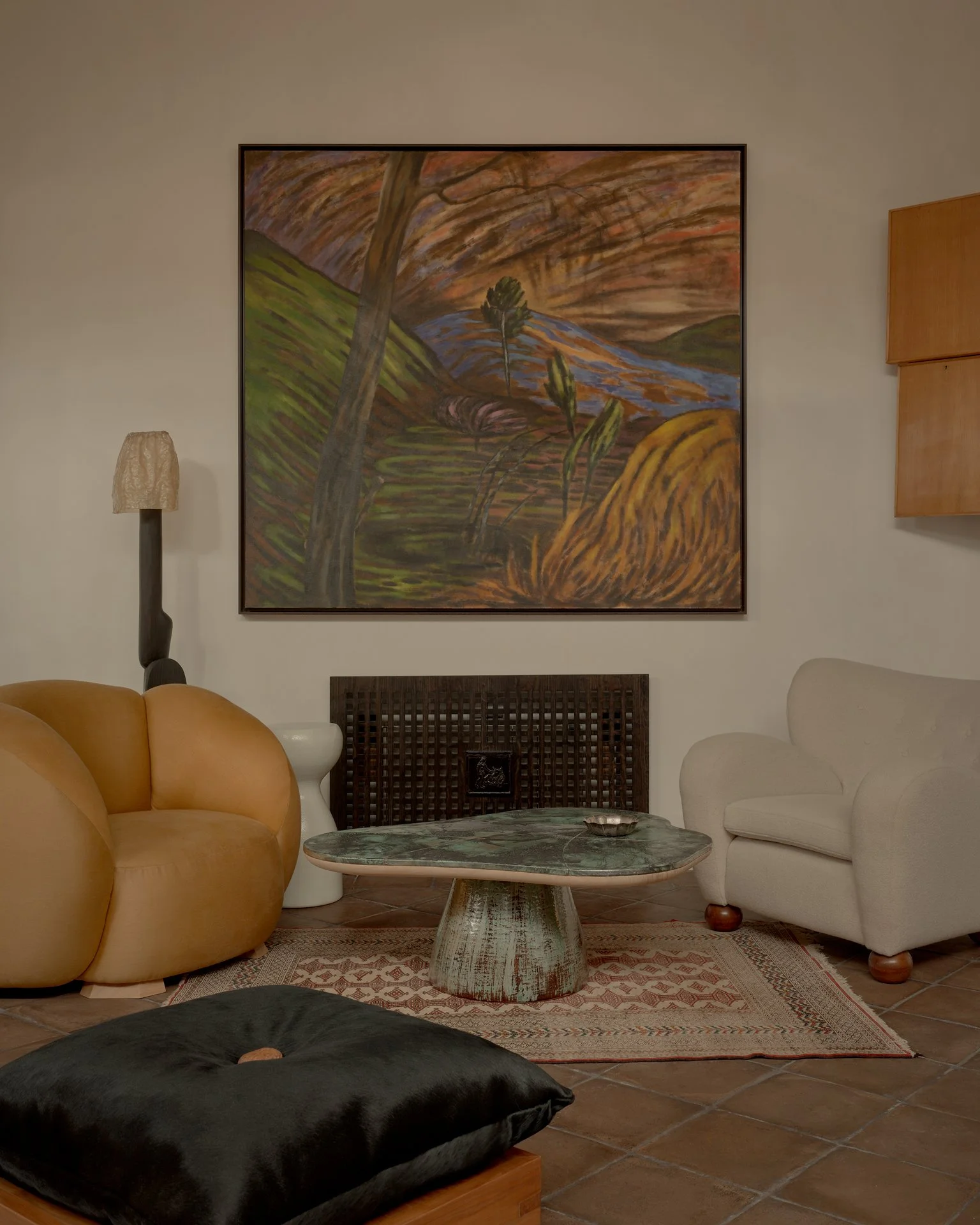
Sean Davidson showroom
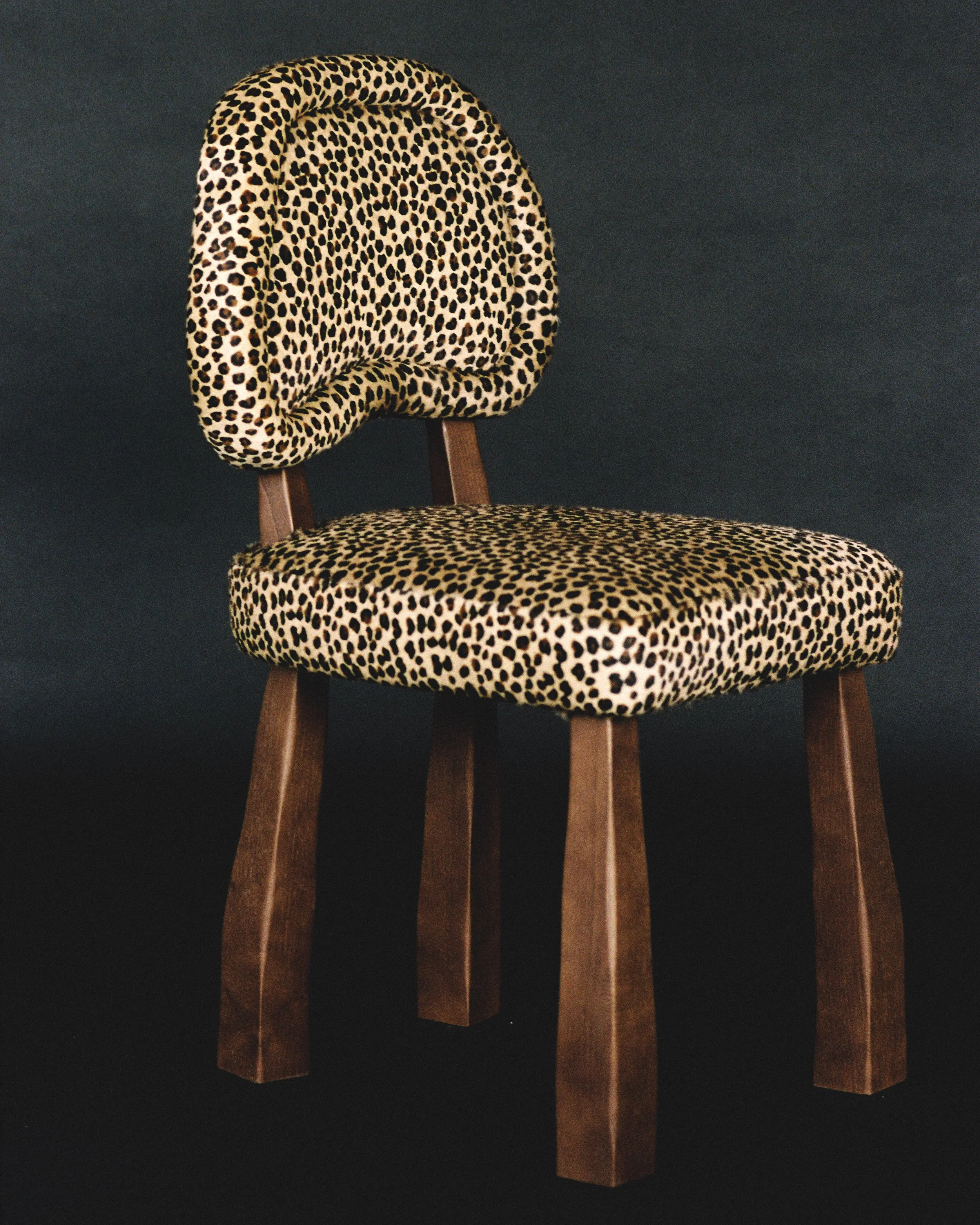
Fred Chair in Geupard fabric. Photo by Ines Silva
What materials do you most enjoy working with, and why?
Chestnut wood for its softness and warmth; glazed ceramics for their unpredictability and light. They embody both structure and poetry — the two pillars of our practice.
You work hand in hand with local makers and artisans. What do those partnerships bring to your process that you couldn’t achieve alone?
Trust and shared curiosity. Many collaborations begin with a simple conversation or a studio visit. Artisans teach us patience, nuance, and the beauty of imperfection. These relationships shape our work as much as the materials themselves.
Outside of design, what inspires you most? Are there particular artists, places, or people that spark ideas for you?
We’re inspired by architecture, minimal music, and the places we inhabit. The compositions of Philip Glass and Steve Reich resonate with our approach — repetition, rhythm, and subtle shifts over time. Casa Serralves is a constant reference for its harmony and quiet sophistication. In art, we often return to the sculptural purity of Jean Arp and the visionary world of Jacques Doucet. And, of course, the work of Álvaro Siza, with its clarity and restraint, continues to shape the way we think about space. Inspiration usually comes from atmosphere rather than objects.
Are there artists, makers, or movements you revisit often for creative energy?
Lucie Rie for restraint and delicacy; Adolf Loos for proportion; Swedish Grace for its refined simplicity; and contemporary ceramicists who explore the line between utility and sculpture.
What’s something you’ve learned from a maker or artisan that fundamentally changed how you think about design?
That slowness is a form of intelligence. Craft teaches us that time, repetition, and attention are not obstacles to creativity — they are its foundation.
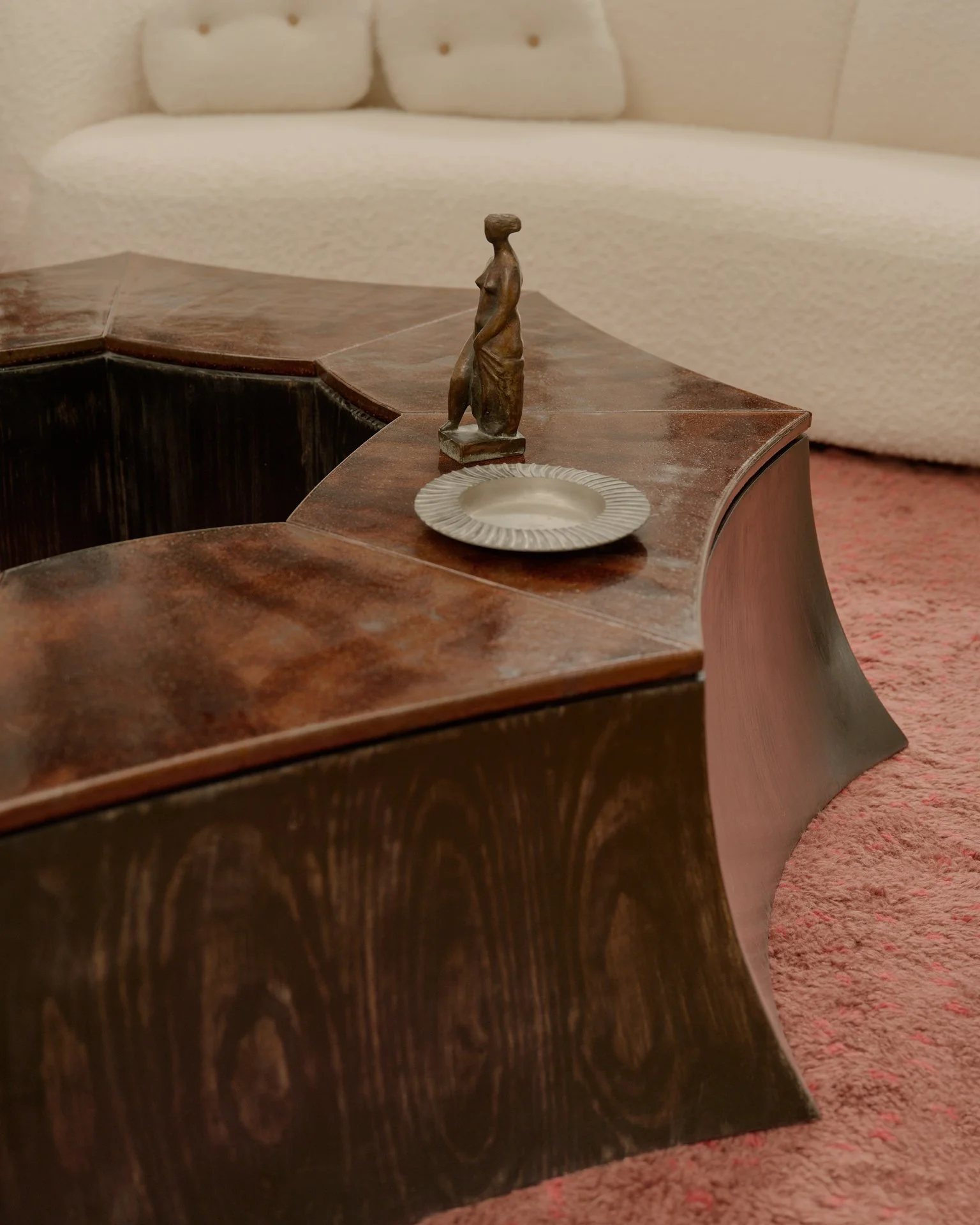
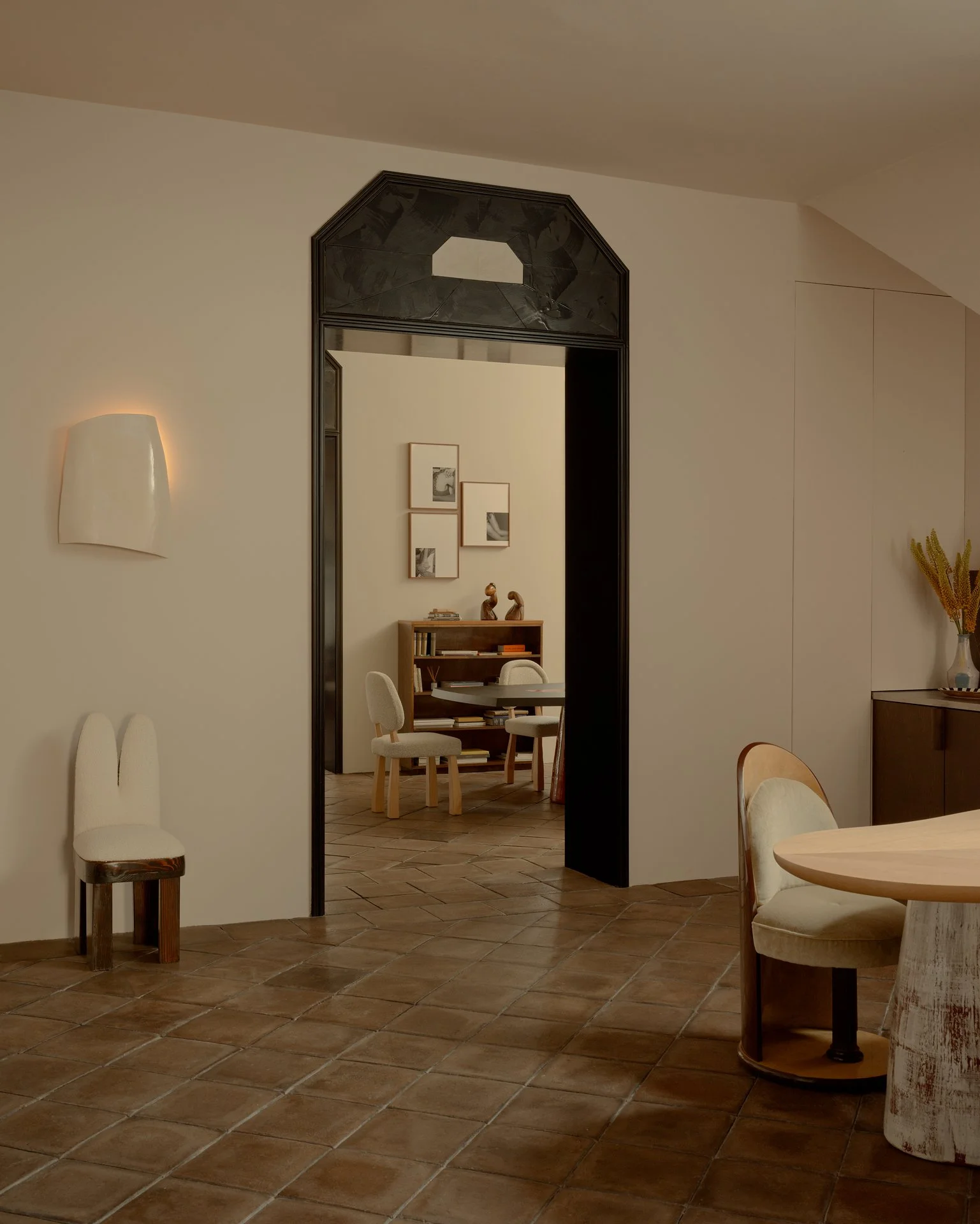
Sean Davidson showroom
“Slowness is a form of intelligence. Craft teaches us that time, repetition, and attention are not obstacles to creativity – they are its foundation.”
What’s one simple design tip people can apply in their everyday environments, regardless of style?
Edit gently. Remove one object and give another the space to breathe. Rooms change completely when things are allowed to exist without crowding.
A common mistake you see people make when designing or curating a space?
Forcing too many ideas at once. A space needs rhythm — contrast, silence, and a few strong gestures rather than many small ones.
For someone who wants their home to feel more personal or intentional, where should they begin?
Start with materials and light. Choose one natural material you love, and let it influence the rest. Personality appears through coherence, not accumulation.
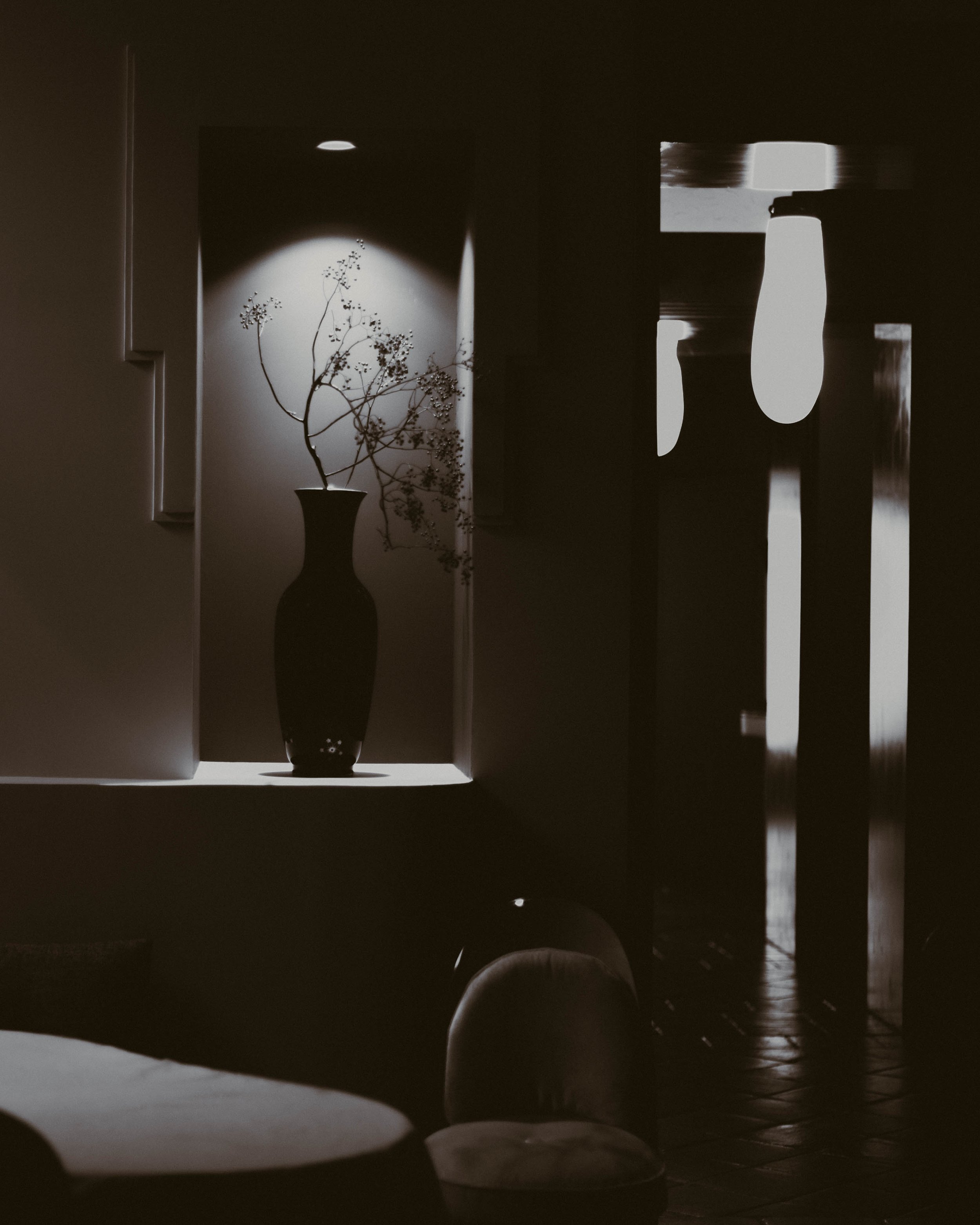
Ricardo Nunes Alegria showroom. Photo by Minjae Kim
What are you most curious about exploring next?
We’re increasingly drawn to architectural projects where we can express a total design — shaping not only the space but also the furniture, the objects, the material palette, and the atmosphere as a unified whole. Our current projects in Comporta and Zurich are allowing us to explore this fully, and they’re opening new paths for how architecture and craftsmanship can merge.
When someone lives with or encounters your work, what do you hope it adds to their experience?
We hope it brings a sense of materiality and uniqueness — the quiet presence of something made with intention. If our pieces can offer a moment of pause, a subtle shift in perception, or a feeling of companionship in daily life, then they have found their place. As Fernando Pessoa wrote, “What we see is not what we see, but what we are.”
We hope our work becomes part of that inner landscape, echoing softly in the way people inhabit their spaces.
Garcé Dimofski is a multidisciplinary design brand where architecture, interiors, furniture, and artistic exploration converge within a singular, material-driven language. Founded by Olivier Garcé and Clio Dimofski, the studio embodies a shared vision of refined living in which function meets elegance, form reveals material, and simplicity shapes atmosphere. Rooted in craftsmanship, natural materials, pure geometries, and uncompromising quality, their work expresses a quiet strength that exists beyond trends.
For more information about Garcé Dimofski, visit their website.
YOU MIGHT ALSO LIKE

We spoke with Kindred Black founders Jennifer and Alice about redefining beauty as a collection of curiosities rich with history and symbolism. Their timeless approach transforms skincare vessels into collectible art and ingredients into meaningful narratives, alongside the recent launch of their first jewelry collection designed as personal talismans.